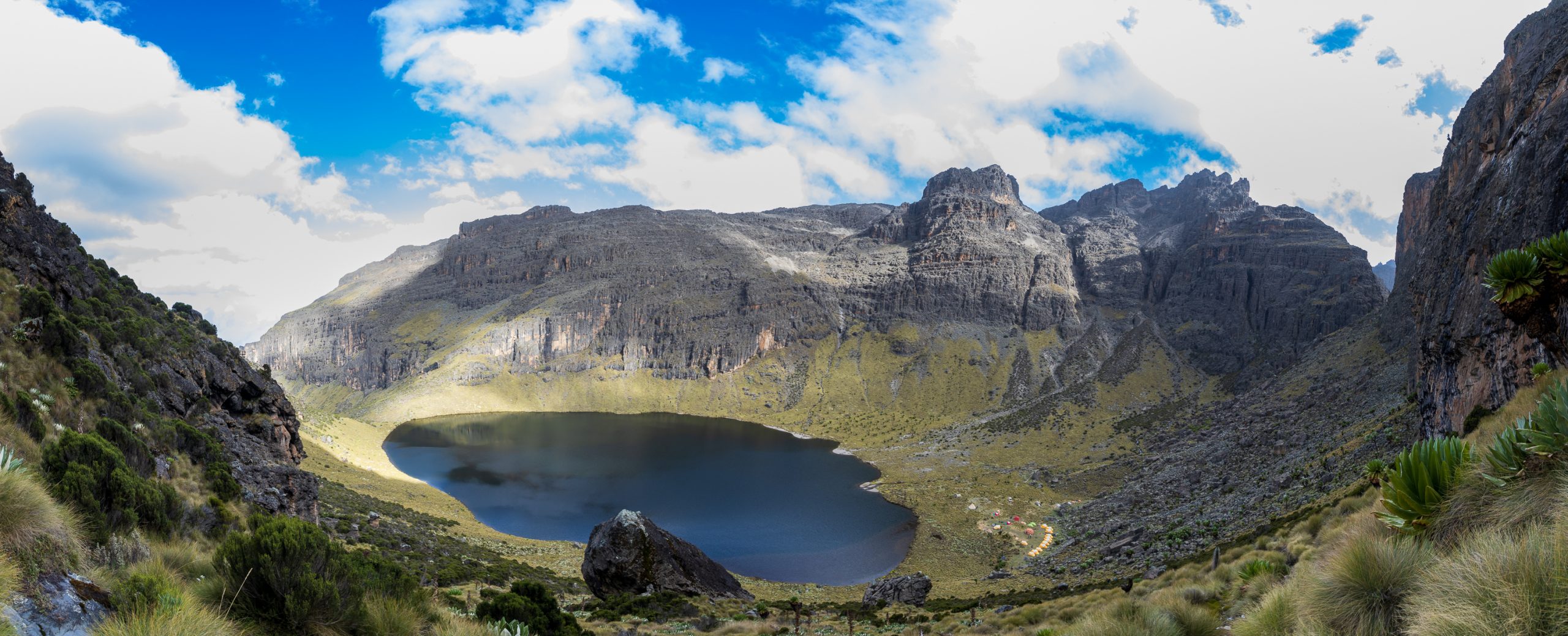
About Mt. Kenya National Park
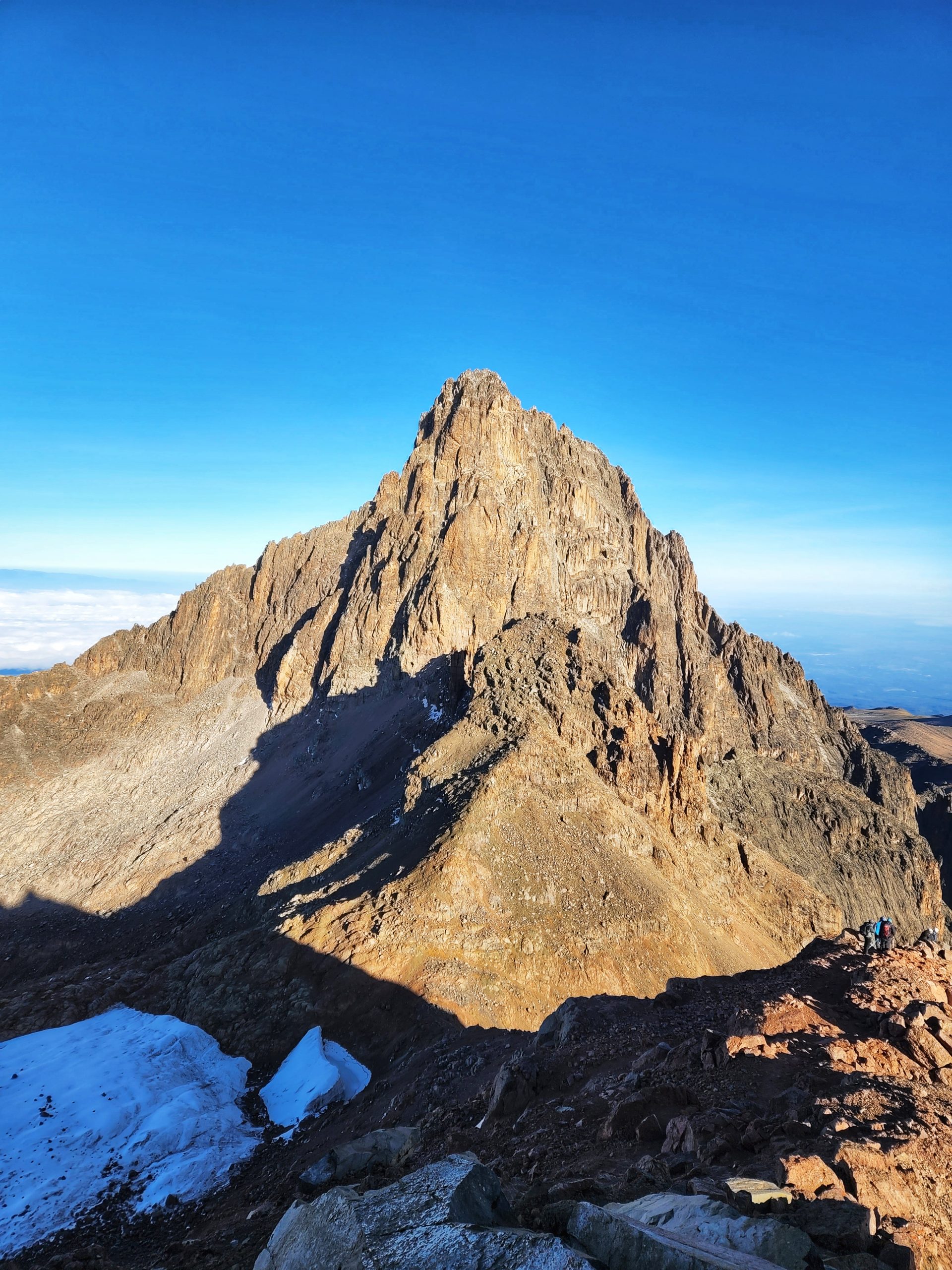
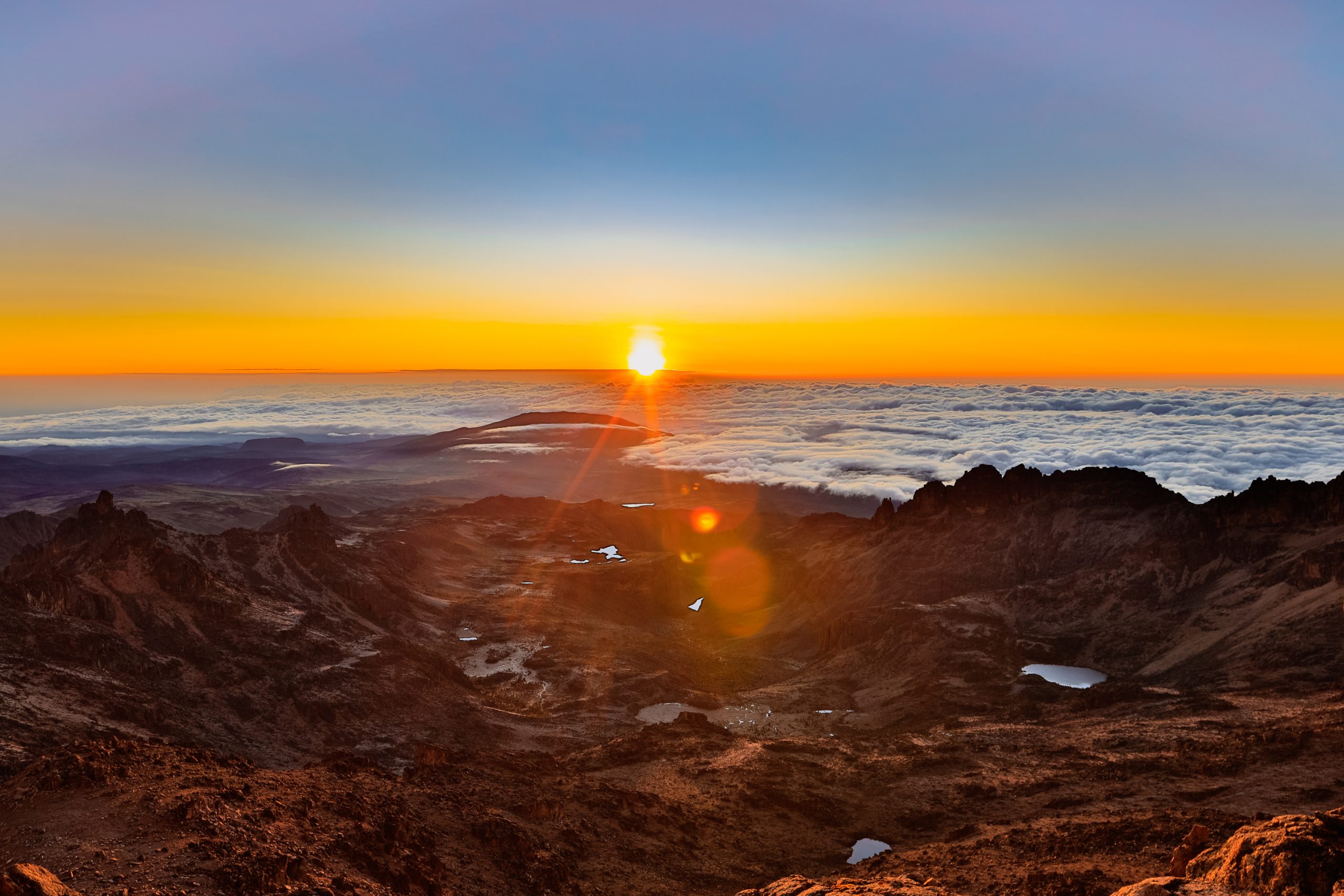
Rising majestically as Africa’s second-highest peak, Mt. Kenya National Park is an ancient extinct volcano and a UNESCO World Heritage Site whose dramatic landscapes offer a powerful blend of adventure, wellness, and cultural heritage. Its rugged, glacier-clad summits and forested middle slopes create one of East Africa’s most awe-inspiring natural settings—ideal for high-altitude trekking, mountain retreats, and immersive outdoor experiences.
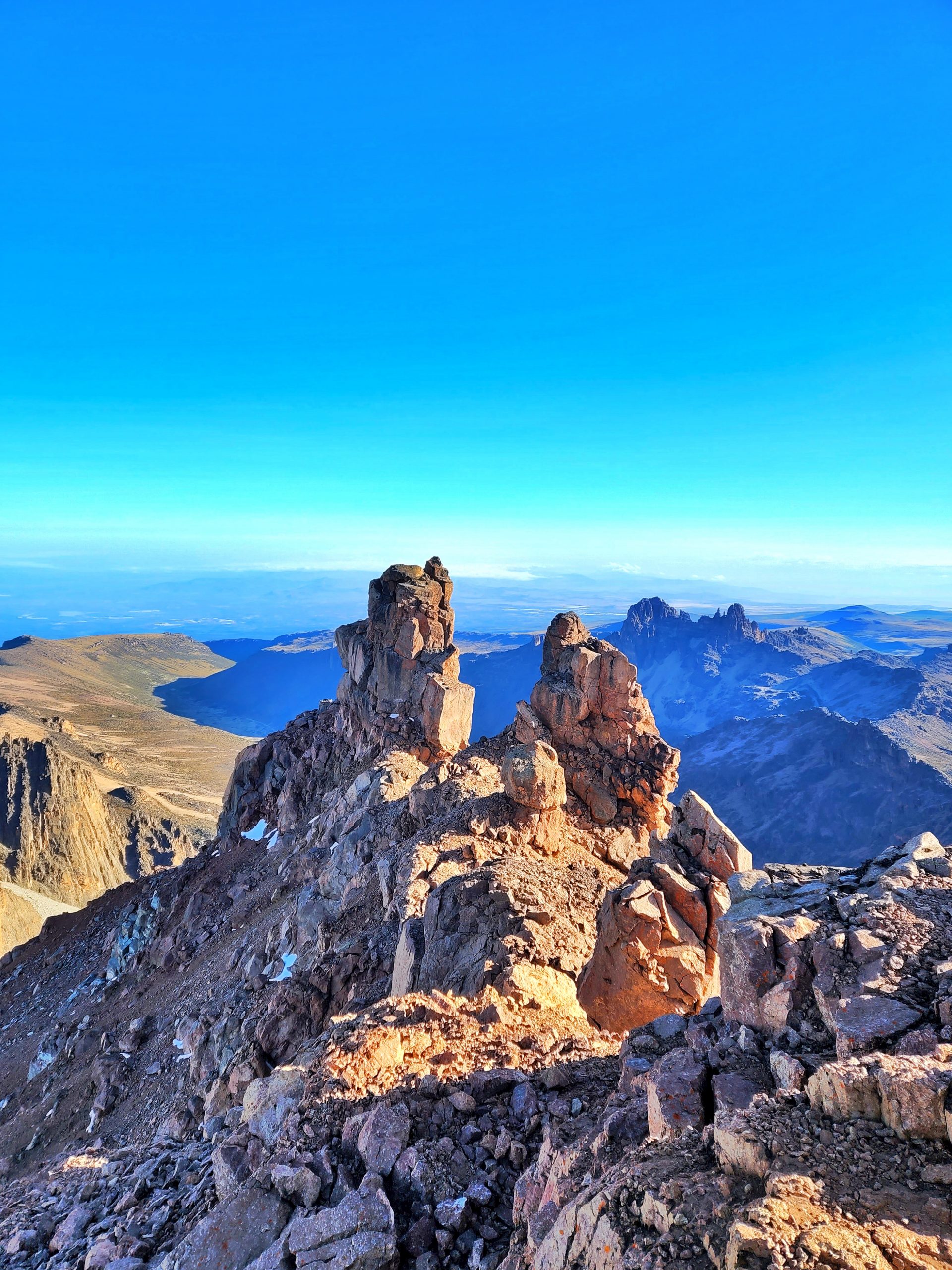
Mt. Kenya’s towering peaks—Batian (5,199 m), Nelion (5,188 m), and Point Lenana (4,984 m)—draw climbers, endurance athletes, and adventure seekers, while the surrounding terrain supports sports events and fitness challenges.
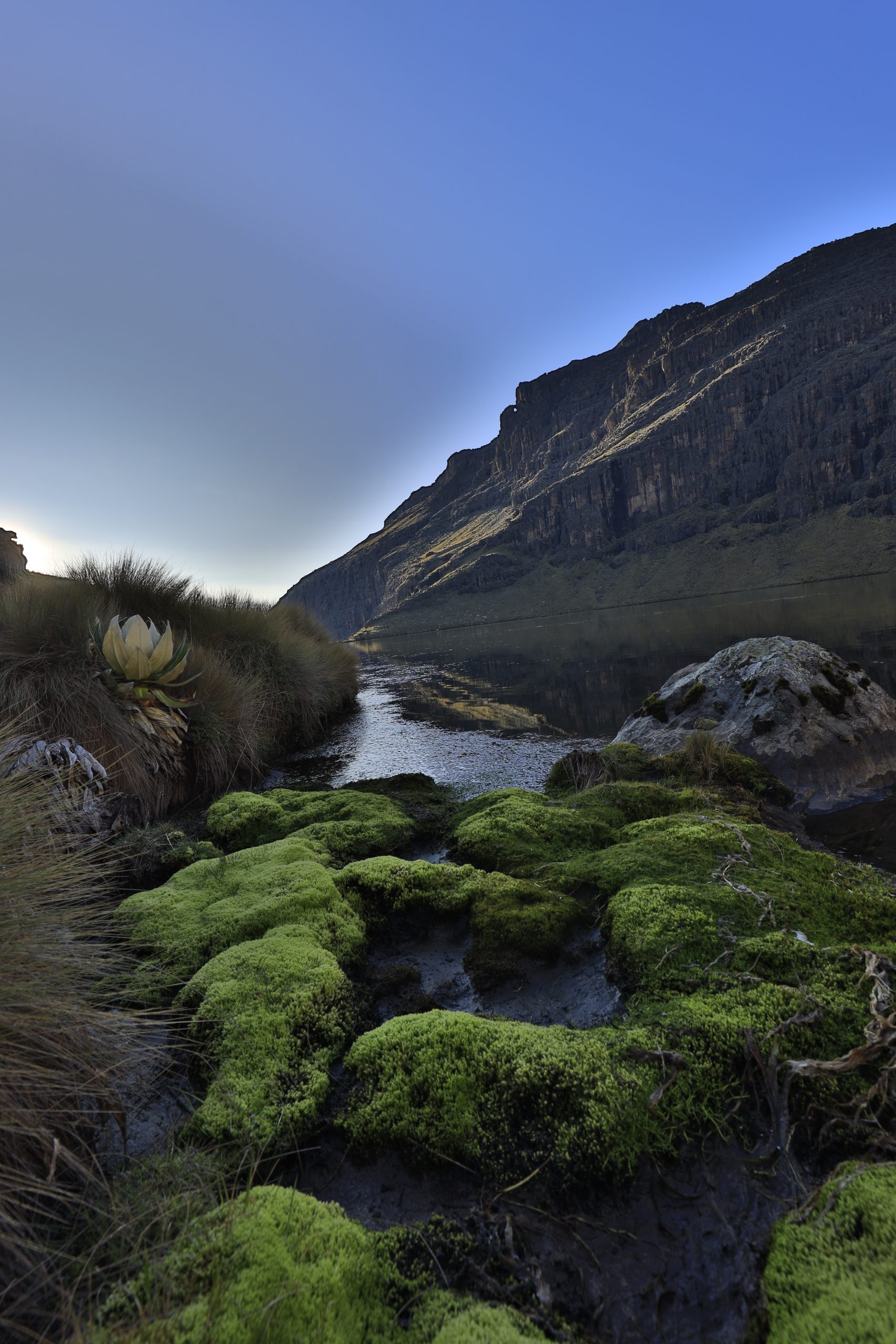
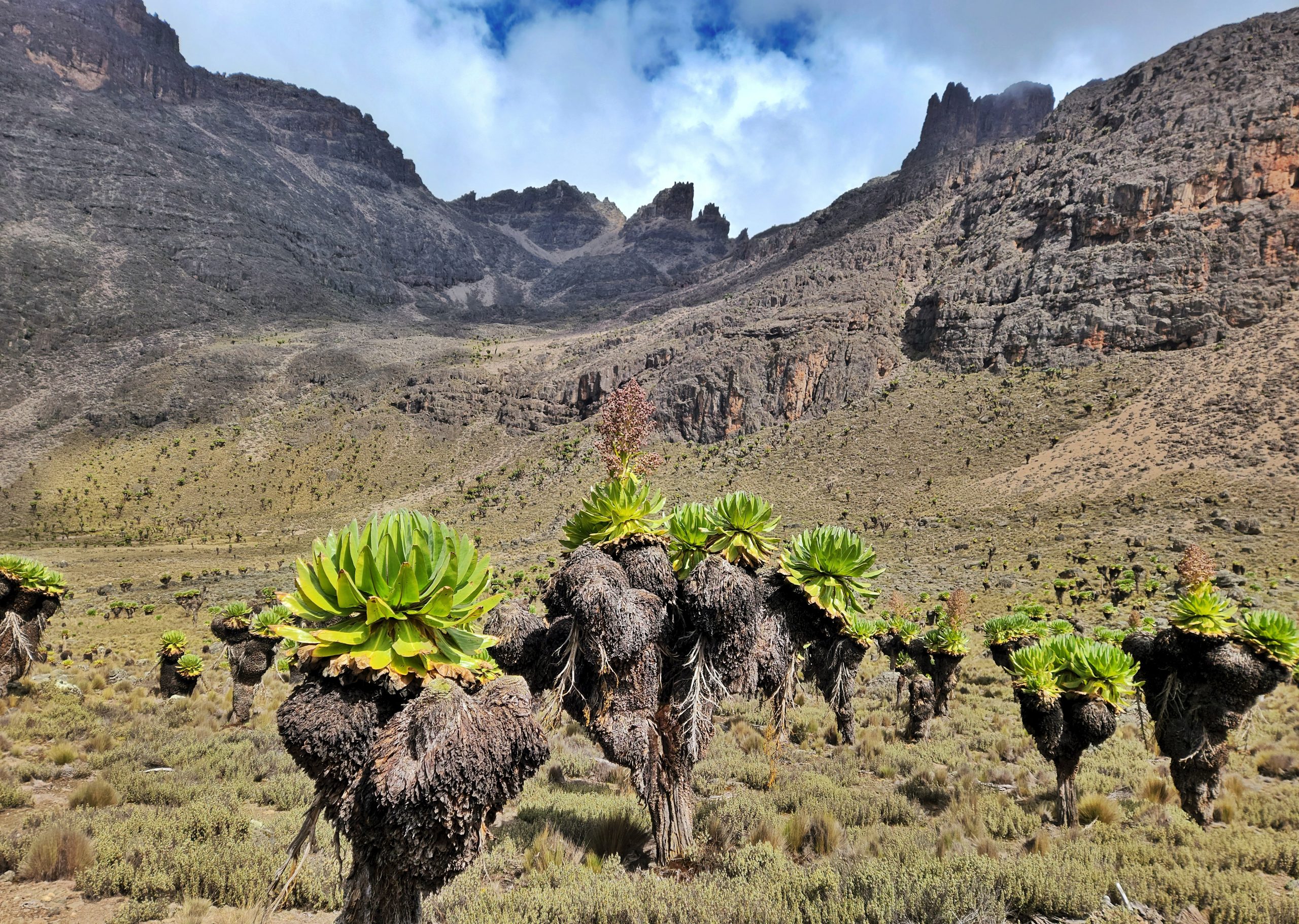
Designated both a World Heritage Site and Biosphere Reserve, Mt. Kenya’s striking ecological formations provide cinematic backdrops for visual storytelling and filmmaking, from alpine moorlands to glacial landscapes.
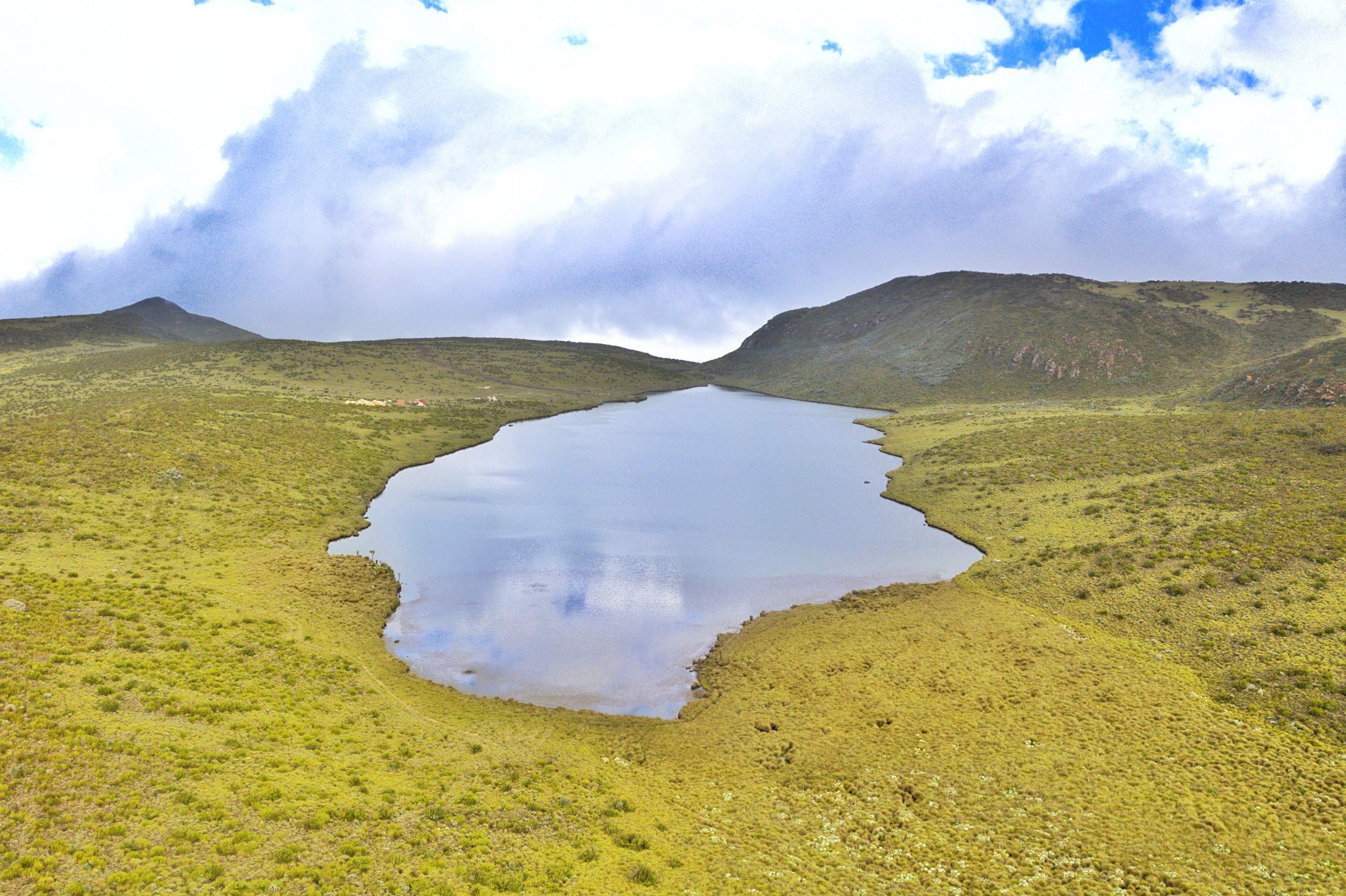
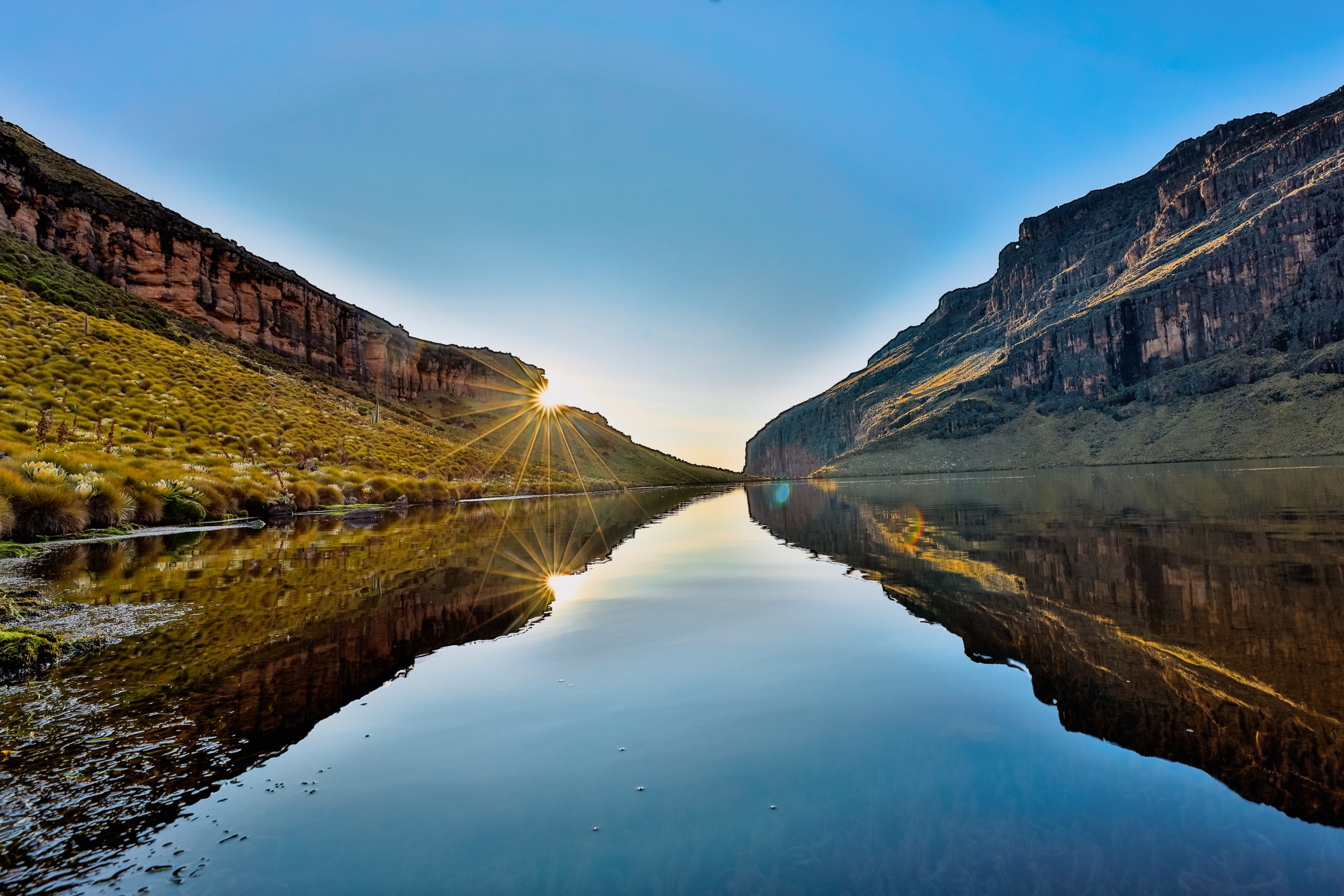
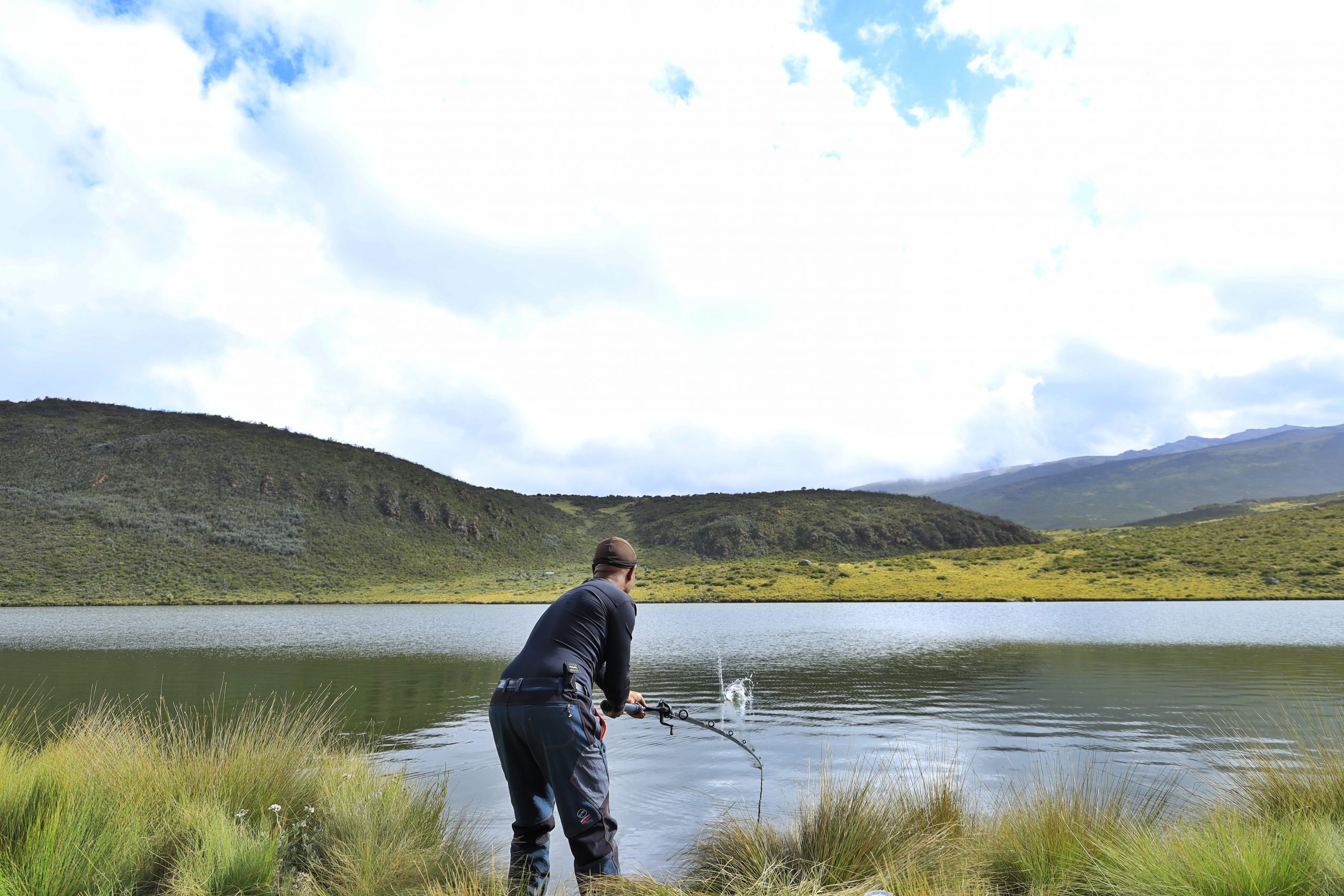
Scattered across the mountain are eye-catching high-altitude lakes and tarns that add to its scenic allure while offering rewarding opportunities for sport fishing. Deeply rooted in local culture and heritage, the mountain holds spiritual significance for surrounding communities, enriching every visit with stories, traditions, and a profound connection to Kenya’s natural legacy.
Important Information
- High-Altitude Adventure & Mountaineering
- Spectacular Alpine Landscapes
- Rich Wildlife Diversity
Mbugani Homes
Public campsites
- Kisoi Munyao
- Kinondoni Campsite
- Mathenge
- Solo Camp
- Majors Camp
Privately owned campsites include:
- Anabas Mount Kenya Lodge
- Rutundu Rock Cabins
- Castle Forest Lodge
- Old Moses Camp
- Shipton Camp
- Mackinders Camp
- Met Station Camp
- Fairmont Mount Kenya Safari Club
Mount Kenya National Park was established in 1949 to protect the mountain’s high-altitude ecosystems, biodiversity, and scenic landscapes. Conservation efforts began earlier with the gazettement of the surrounding Mount Kenya Forest Reserve in 1932. Key milestones include its designation as a UNESCO Biosphere Reserve in 1978, inscription as a UNESCO World Heritage Site in 1997, and the gazettement of adjacent forest reserves as National Reserves in 2000, creating a comprehensive protected complex around one of Kenya’s most iconic natural landmarks.
By Road: The peaks can be accessed through three official gates, namely;
- Naro Moru Gate
- Sirimon Gate
- Chogoria Gate
Sirimon Gate is 200 km from Nairobi off the Nanyuki – Meru Road.
Naromoru Gate is 188 km along the Nyeri-Nanyuki road near Naro Moru town.
Chogoria Gate is on the Embu-Meru Road, about 210km north of Nairobi.
By Air: The closest commercial airstrip to the park is at Nanyuki.
- Drinking water
- Food
- Warm clothing
- Camping gear
Also important are;
- Camera
- Binoculars
- Sunscreen
- Insect repellent
- First aid kit
- Sunglasses,
- Appropriate hiking/mountaineering gear
Your safety matters. Please review our essential guidelines to help ensure a safe, enjoyable experience for you and for the wildlife.
- You are in the wildlife’s home. Please respect their privacy and right of way.
-
National parks are plastic-free. Single-use plastic is prohibited.
-
General road rules apply. Car hooting or driving under the influence of alcohol are strictly prohibited.
-
Adhere to park entry and exit times. Gates open at 6:00 AM and close at 6:00 PM, unless you are spending overnight.
-
Move slowly and quietly. Animals can react dangerously if startled.
-
Noise distracts wildlife. Use mobile phones and sound devices sparingly and only in designated areas.
-
Remain in your vehicle unless in designated areas. Keep doors closed at all times.
-
Observe the maximum speed limit of 40 km/h (25 mph). Speeding attracts penalties.
-
Stay on established roads and trails. Off-road driving is strictly prohibited.
-
View wildlife from a minimum distance of 20 meters.
-
Feeding wildlife is prohibited, as it disrupts their diet and leads to human dependency.
-
Carry out all trash to help keep the park clean.
-
Do not leave campfires unattended while camping.
-
Visitors enter the park at their own risk and Terms and conditions apply.
Hotline: 0723690482
Toll Free: 0800 597 000
Email: customerservice@kws.go.ke
WhatsApp: +254 (0) 726 610509
Mt. Kenya National Park Rates
- East Africa Citizen: Individuals holding Kenyan nationality
- Kenya Residents: Foreign nationals legally residing in Kenya.
- African Citizens: Africa nationals (excluding Kenya and EA countries)
-
Non-residents: Foreigners visiting on a valid visa
East Africa Citizen Adult
KES. 800
East Africa Citizen Child
KES. 400
Kenya
Resident Adult
KES. 1,100
Kenya
Resident Child
KES. 550
Non
Resident Adult
USD 70
Non
Resident Child
USD 35
Africa
Citizen Adult
USD 30
Africa
Citizen Child
USD 15
Mt. Kenya National Park Gallery