
Our Conservation Journey
Kenya’s wildlife conservation journey reflects centuries of coexistence between people, wildlife, and nature.
Before modern conservation systems, indigenous Kenyan communities practiced sustainable land and resource management that supported abundant wildlife populations. These traditional practices fostered sustainable wildlife conservation in Kenya, allowing wildlife and people to thrive together across diverse ecosystems.
Kenya’s Wildlife Conservation Journey
Late 1800’s
Indigenous ecosystem stewardship and abundance
Kenya’s wildlife conservation journey reflects centuries of coexistence between people, wildlife, and nature. Before modern conservation systems, indigenous Kenyan communities practiced sustainable land and resource management that supported abundant wildlife populations. These traditional practices fostered sustainable wildlife conservation in Kenya, allowing wildlife and people to thrive together across diverse ecosystems.
1900’s
Colonial period and wildlife decline
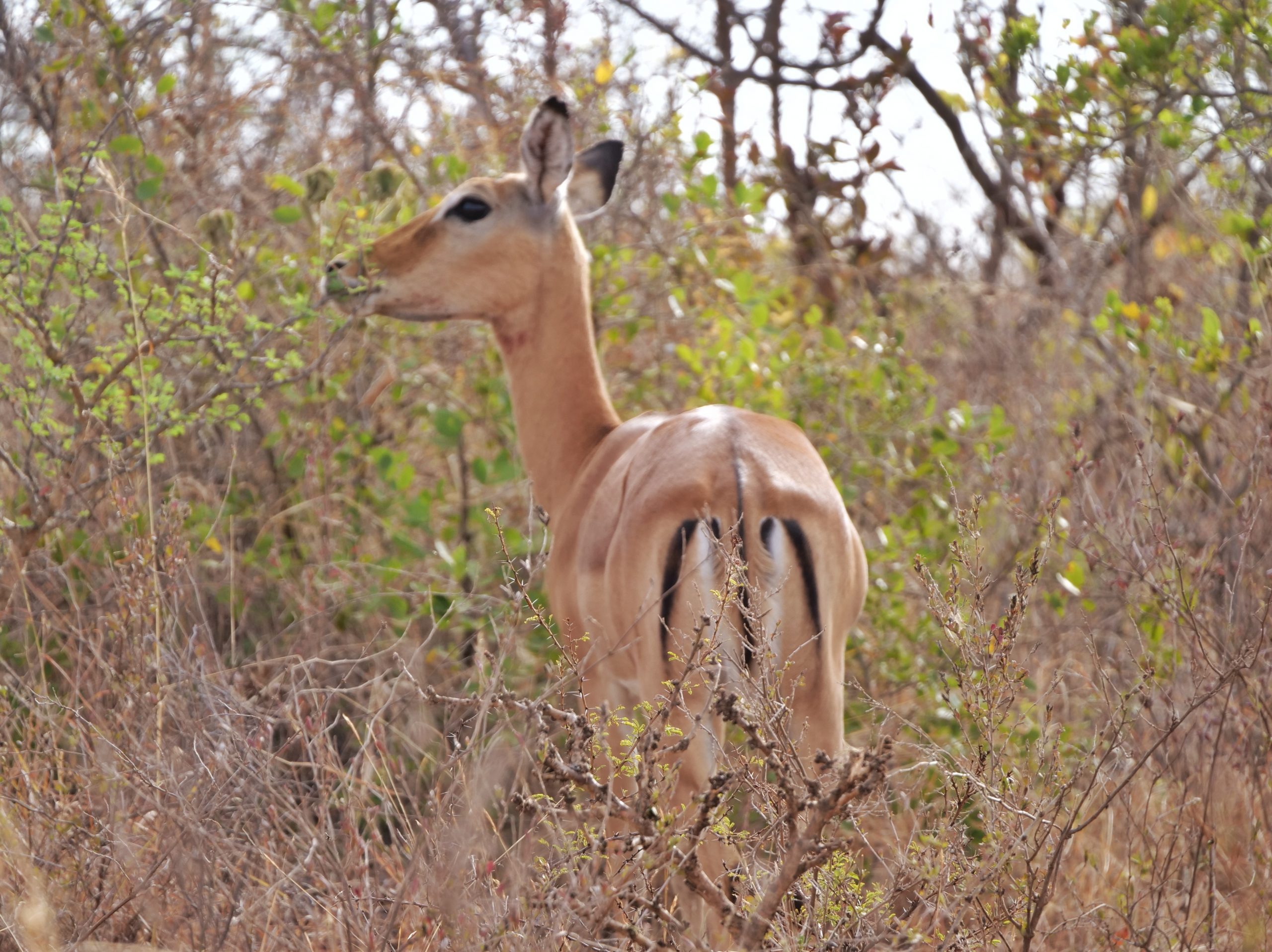
During the colonial period in the late 1900s, formal wildlife laws restricted local participation and promoted sport hunting. Increased hunting, settlement expansion, and changing land use caused major wildlife population declines.
1945 – 1946
Establishment of the first national park
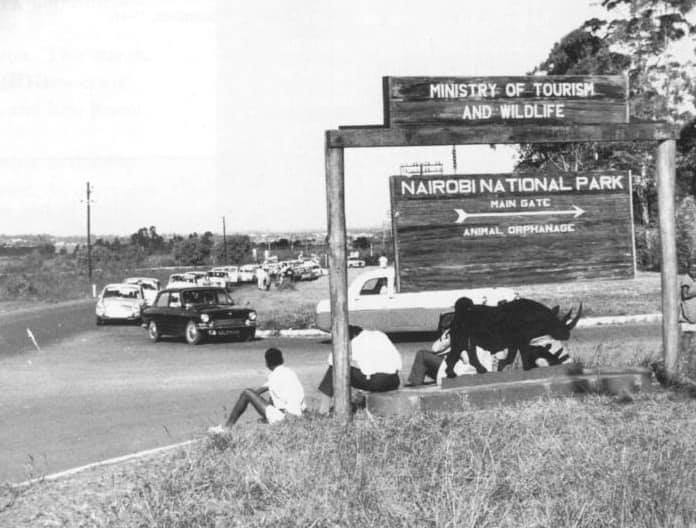
Growing concern over these losses led to structured conservation efforts, including the Royal National Parks Ordinance of 1945 and the establishment of Nairobi National Park in 1946, the first national park in East Africa and a milestone in Kenya nature conservation.
1963
Independence and wildlife as national heritage
Following independence in 1963, Kenya recognized wildlife as a national heritage and economic asset. Legislative reforms strengthened wildlife management in Kenya, including the national hunting ban of 1977 and strengthened wildlife protection policies.
1970-1989
The rhino crisis
By the early 1970s, the greater Tsavo ecosystem supported over 8,000 black rhinos, making it one of Africa’s largest rhino strongholds. However, by 1989, uncontrolled poaching, drought, and land pressure had reduced the population to fewer than 20 rhinos, prompting urgent action to save the species.
1989
Establishment of Kenya Wildlife Service
In response to the crisis, the Government of Kenya established the Kenya Wildlife Service (KWS) in 1989 to strengthen wildlife protection, professionalize conservation, and restore endangered species populations.
1989 – 2025
KWS conservation achievements
Since its establishment, KWS conservation programmes have contributed significantly to the recovery and protection of key endangered species.
Key Achievements:
- The Ngulia Rhino Sanctuary, covering 92 km², held nearly 150 black rhinos, despite its carrying capacity of 60, showing both conservation success and the need for habitat expansion
- Through national monitoring and tagging exercises, 90 rhinos were safely immobilized, and 89 rhinos were fitted with tracking and digital identification technology
- Today, Kenya is home to approximately 2,102 rhinos, including 1,059 black rhinos, 1,041 southern white rhinos, and the last 2 northern white rhinos in the world
The expansion of the Tsavo West Rhino Sanctuary in 2025 merged 150 rhinos from Ngulia with 50 rhinos in Tsavo West, forming a founder population of 200 black rhinos, now the largest in Kenya.