

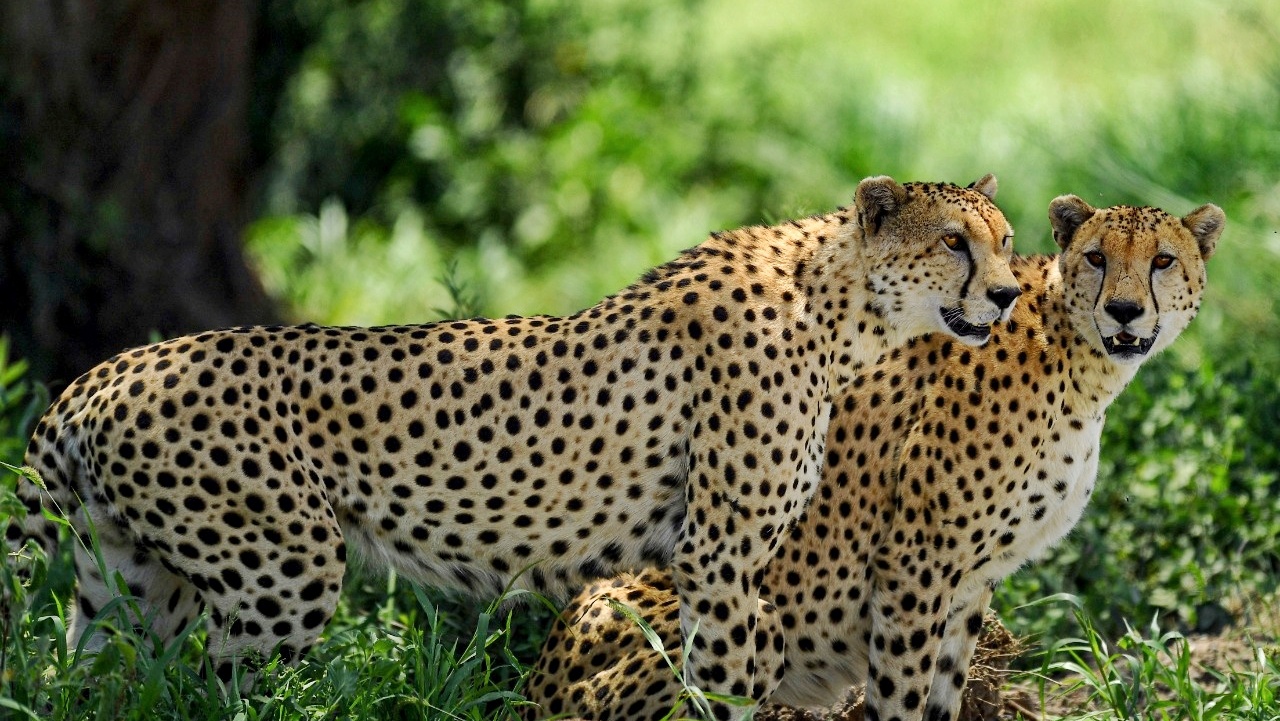
What is Wildlife Economy?
The wildlife economy refers to the sustainable use of wildlife resources to generate economic benefits while ensuring conservation, ecological integrity, and compliance with national and international law. The KWS eCitizen platform operationalises this concept by regulating various forms of wildlife utilisation through structured permits and licences each representing a distinct economic activity within Kenya’s wildlife value chain.
Pillars of Kenya’s Wildlife Economy
Regulated Production
Wildlife Utilisation Enterprises (WUE)
Commercial enterprises covering plants, other animals, and small birds including farming, breeding, ranching, sustainable harvesting, and live trade, diversify community economies and formalise wildlife commerce.
Non Comsumptive
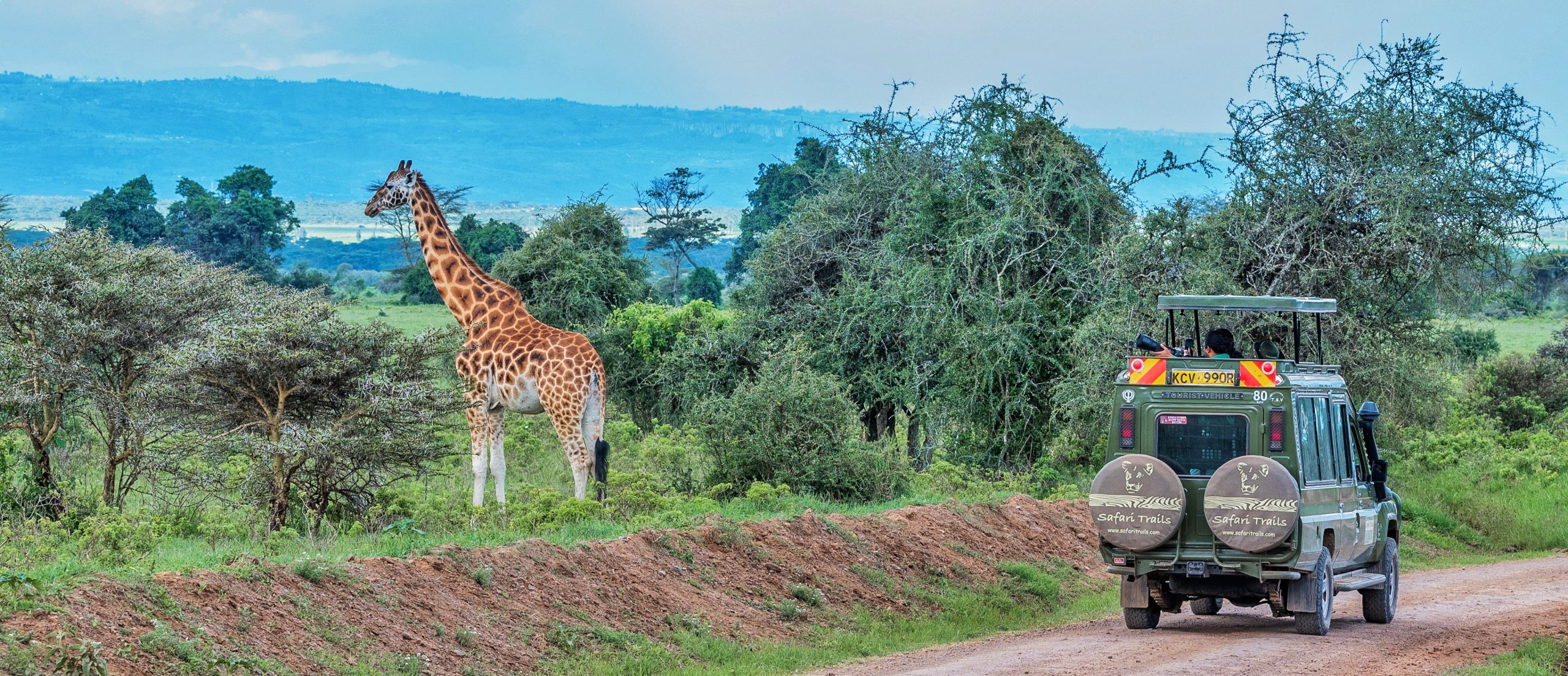
Filming & Photography in National Parks
Wildlife generates revenue without extraction. Documentaries, commercials, and photography projects monetise Kenya’s biodiversity while reinforcing conservation messaging to a global audience.
Wildlife Trade
Trade & Commercial Dealings
Licensed dealers trade in wildlife specimens or products legally, shifting commerce from informal or illegal channels into a transparent, regulated economic sector with formal market structures.
Global Integration
Import & Export Control
Kenya’s participation in the global wildlife economy is facilitated through CITES-compliant export, re-export, and import permits, supporting zoological exchanges, scientific research, and international trade.
Green Economy
Artificial Propagation & cultivation
Registration of aloe species propagation supports the botanical wildlife economy, supplying pharmaceutical, cosmetic, and ornamental industries while dramatically reducing pressure on wild plant populations.
Species Protection
Species-Specific Regulation
High-value CITES-listed species such as the African Grey Parrot are strictly regulated, balancing lawful captive breeding enterprises with the prevention of illegal capture and trafficking.
Asset-Based Economy
Species-Specific Regulation
Certificates of ownership for trophies, ornamental birds, and reptiles formalise wildlife as a regulated asset class, enabling lawful possession, valuation, estate transfers, and museum trade