About Tsavo West National Park
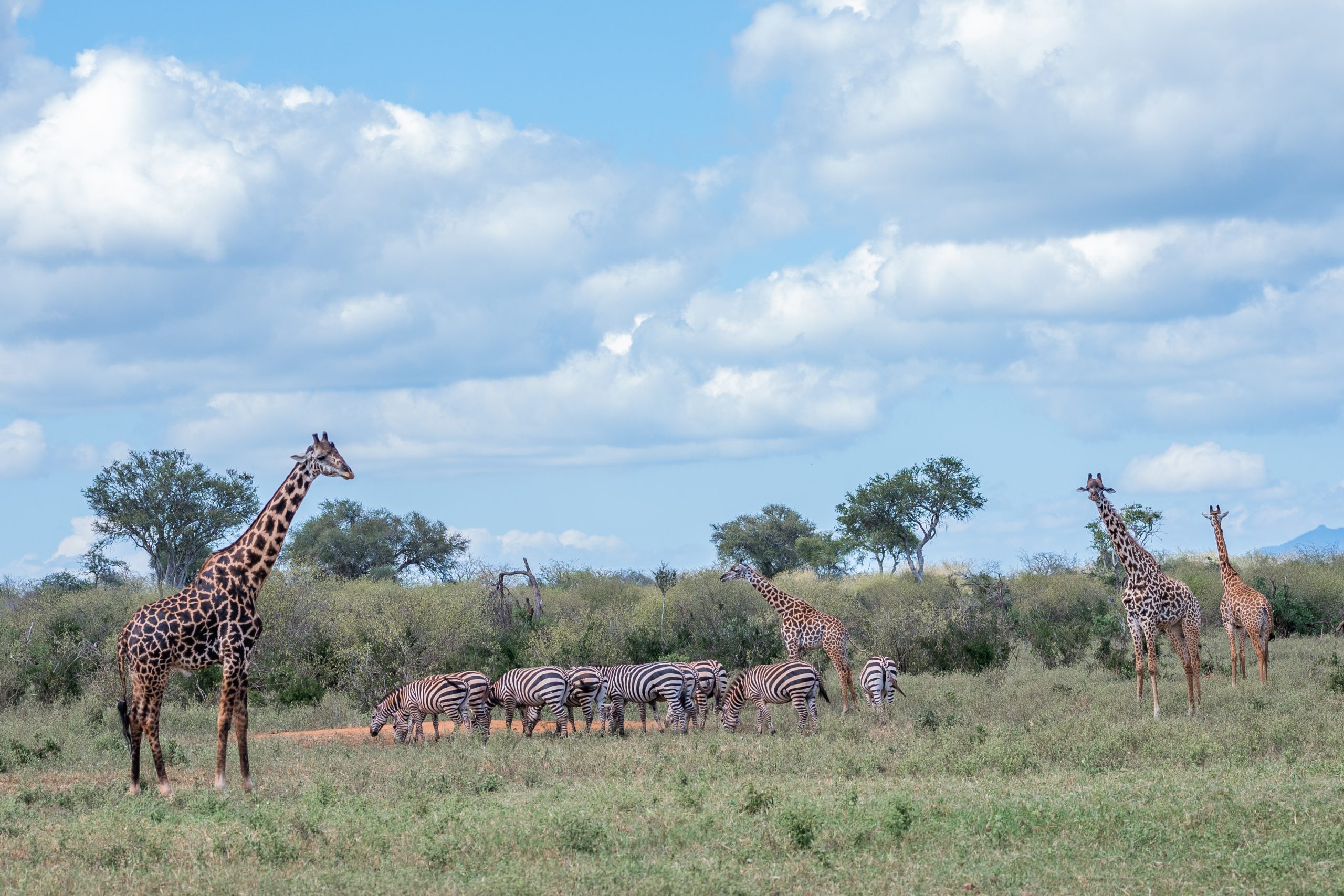
From crystal-clear springs to ancient lava flows and open savannahs, Tsavo West National Park offers unforgettable wildlife safaris across one of Kenya’s most visually striking landscapes. As the country’s second-largest protected area, the park unfolds across a sprawling canvas of endless skies, emerald hills, palm-fringed rivers, sparkling oases, and vast savannahs—creating a visually rich environment ideal for immersive exploration and visual storytelling.
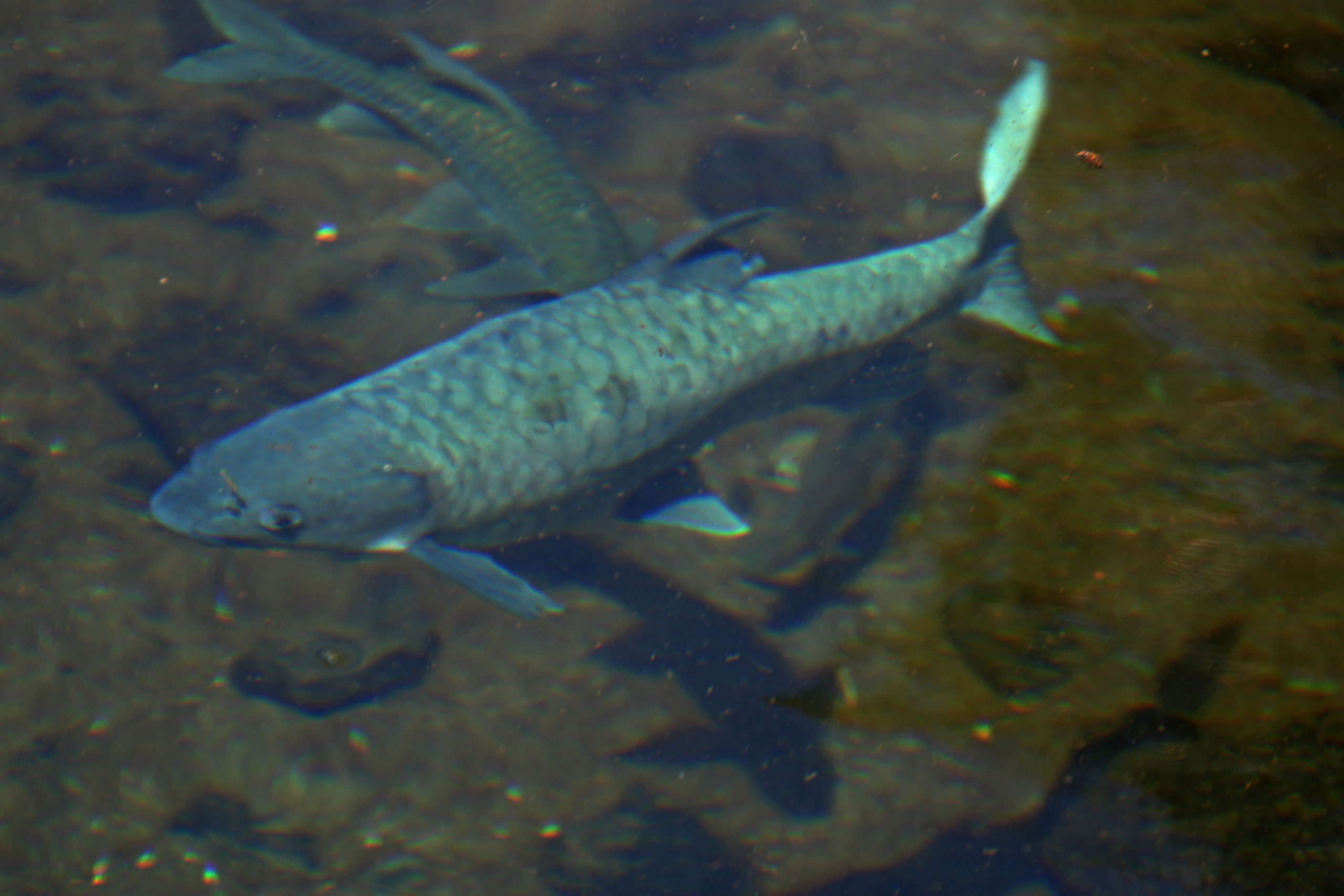
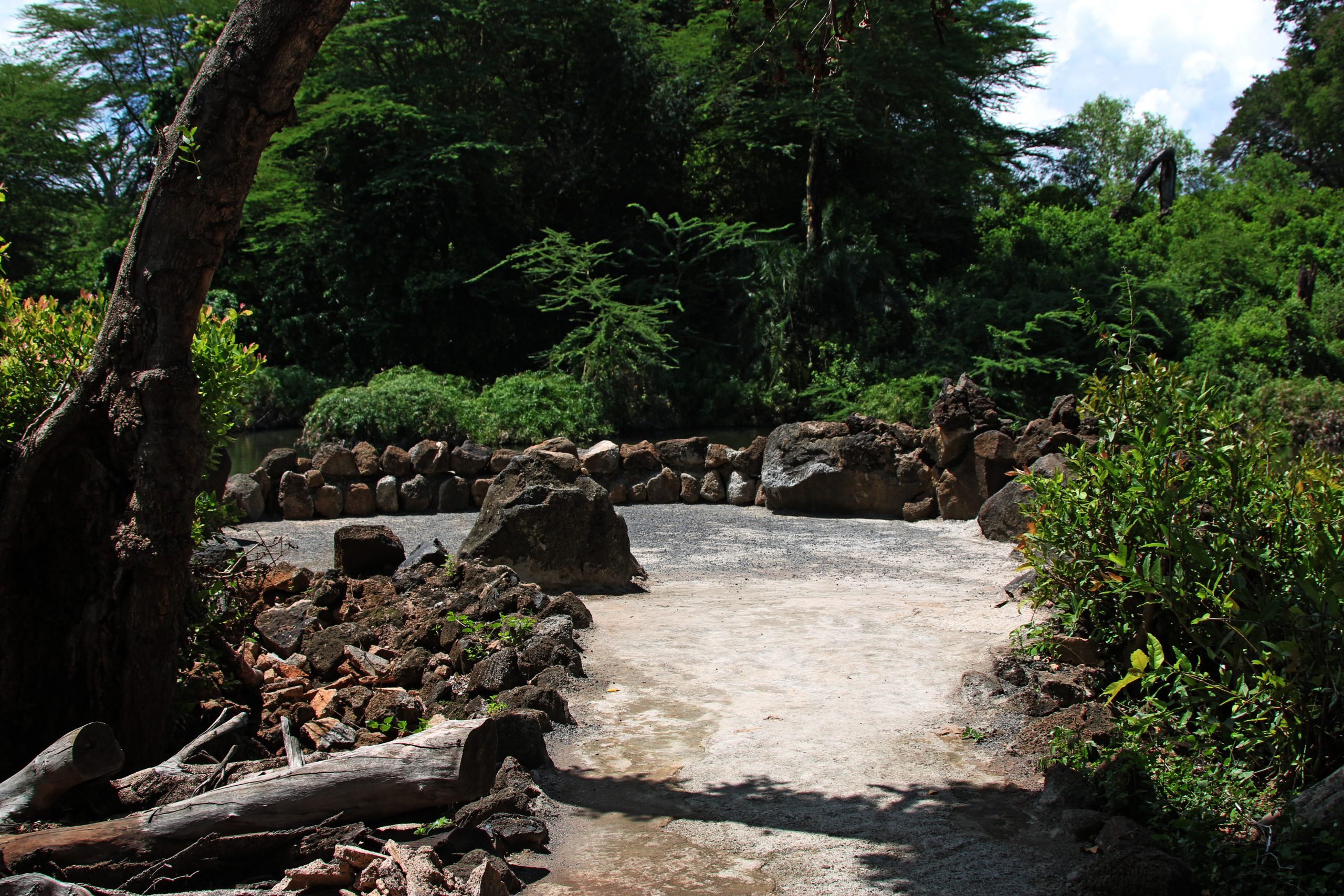
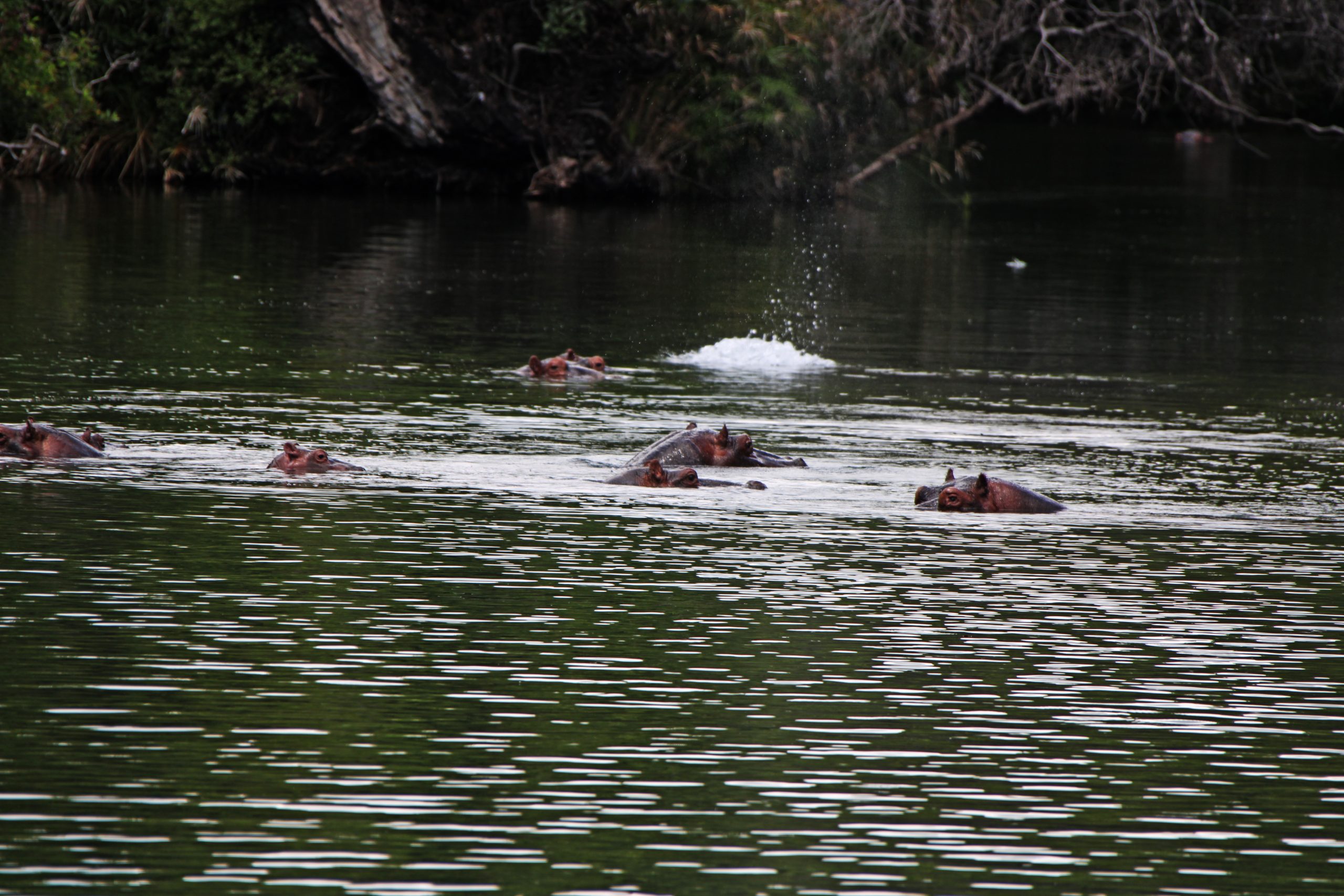
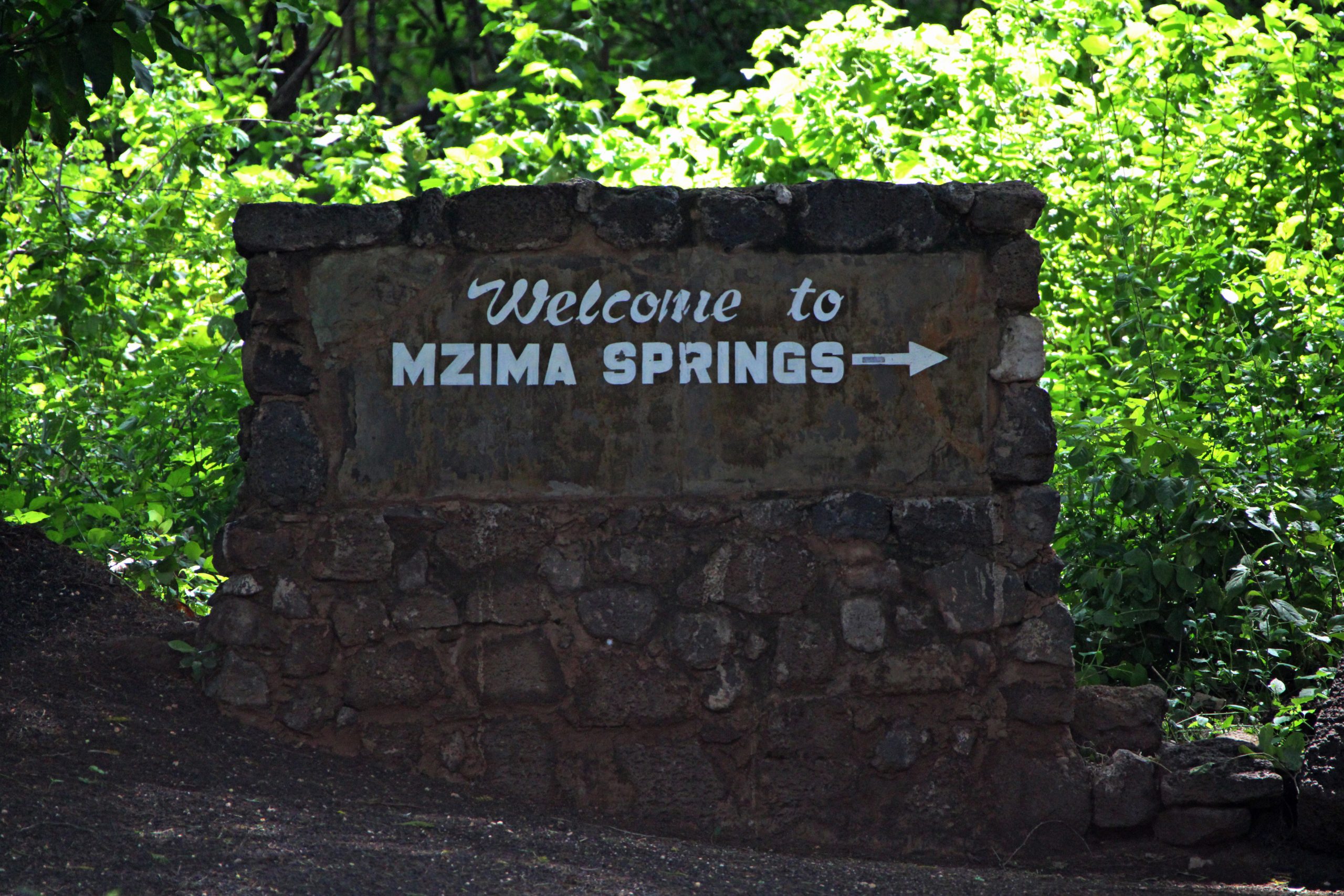
One of the park’s most iconic features is Mzima Springs, where millions of gallons of crystal-clear water surge from beneath parched lava rocks, forming lush pools that attract a wide variety of wildlife and birdlife. These striking contrasts of water and volcanic terrain make Tsavo West a true birdwatchers’ paradise and a natural stage for filmmaking and photography.
Tsavo West is also steeped in cultural and heritage significance, most famously associated with the legendary man-eating lions whose attacks on Kenya-Uganda Railway workers in 1898 temporarily halted construction and left a lasting mark on Kenya’s history. The park further preserves remnants of the First World War East African Campaign, fought within its rugged bushlands—adding powerful historical depth to the wilderness experience.
By day, visitors enjoy rewarding wildlife safaris, guided walks, and outdoor adventure experiences across varied terrain. By night, the park’s remote setting and minimal light pollution create exceptional conditions for astro-tourism and night wildlife safaris, revealing star-filled skies and nocturnal animal activity.
With its expansive landscapes, rich wildlife, historical landmarks, and open terrain, Tsavo West also supports sports-based challenges, organized events, and outdoor group experiences—including hosting sections of the renowned East Africa Classic Safari Rally, which showcases the park’s rugged terrain on a global motorsport stage. Together, Tsavo West National Park delivers a compelling blend of adventure, heritage, cinematic beauty, and untamed wilderness—offering visitors an unforgettable journey through one of Kenya’s most iconic conservation landscapes.
Important Information
- Tsavo West Rhino Sanctuary- the largest rhino sanctuary in the world
- Mzima Springs
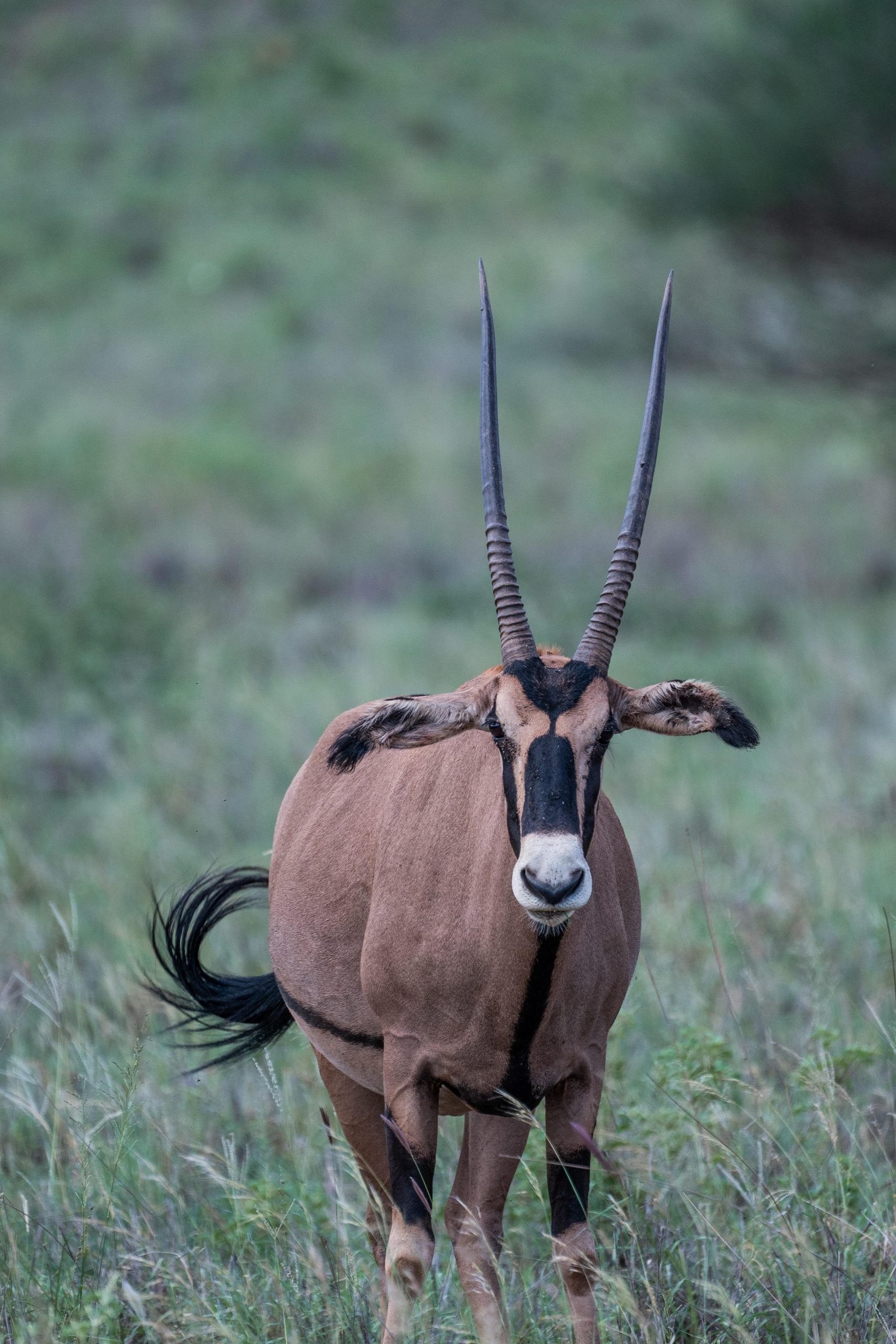
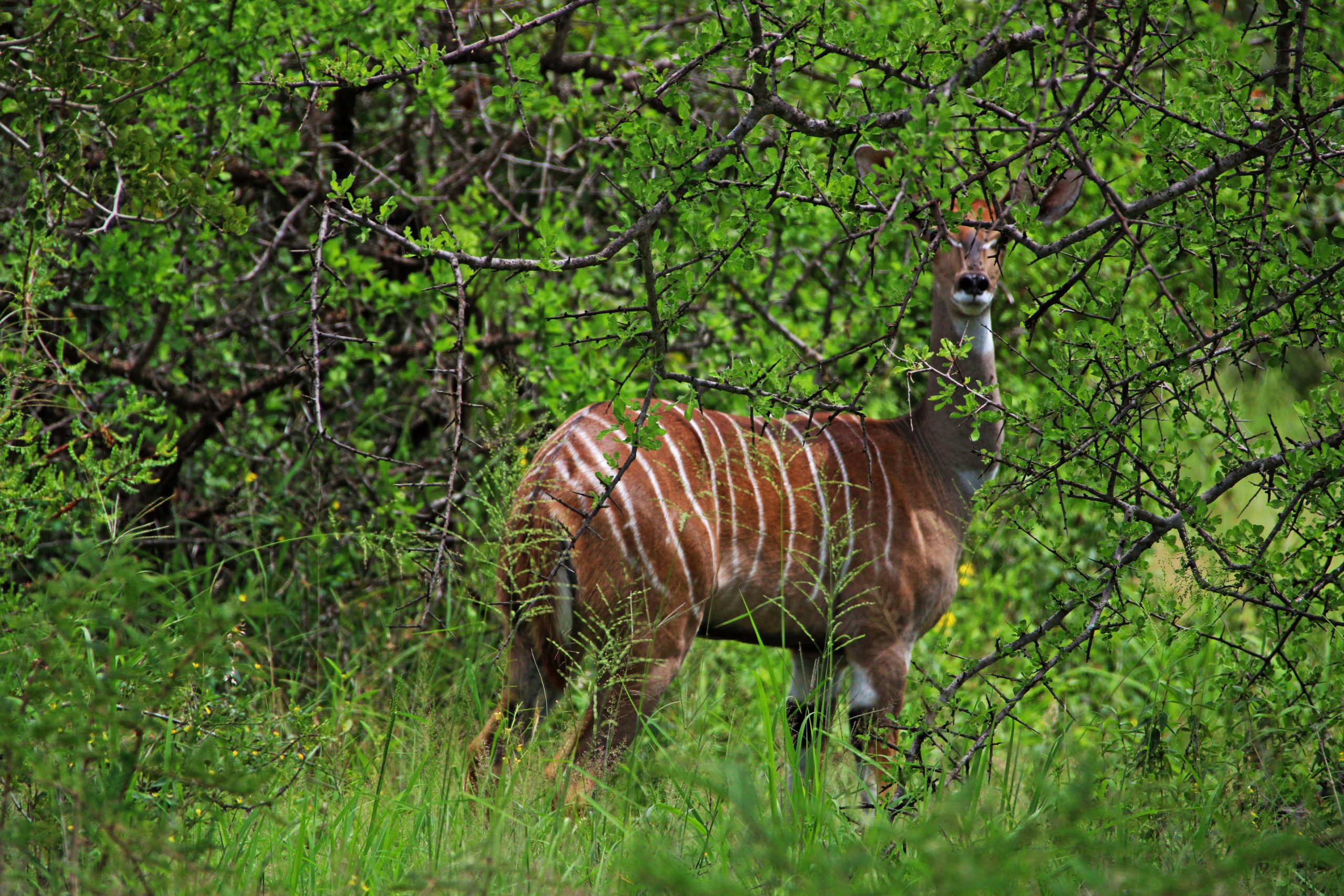
- Rich biodiversity; including the big 5, and critically endangered hirola
- Diverse birdlife with over 600 recorded species
- Shetani Lava Flow & Cave Exploration
- Scenic Viewpoints; Poacher’s Lookout and Roaring Rocks offering panoramic views of wildlife movement and park topography
- Lake Jipe; A transboundary lake shared with Tanzania, rich in aquatic life and popular for birdwatching
Tsavo Hills & Chaimu Hill; The iconic Five Sisters volcanic hills provide striking backdrops for wildlife photography
Mbugani Homes
Public Campsites;
- Komboyo
- Chyulu
- Lake Jipe
Special Campsites:
- Kudu
- Little Royal
- Simba
- Palm Tree
- Maji ya Chumvi
- Kichwa Tembo
- Pipeline
Privately owned Lodges and Tented camps;
Tsavo West National Park is located in Taita-Taveta County in south-eastern Kenya. It covers approximately 9,065 km², making it the second-largest national park in Kenya. Together with the adjoining Tsavo East National Park, neighbouring ranches and other protected areas, it forms part of the vast Tsavo Conservation Area, one of the largest contiguous wildlife landscapes in Africa. The park is separated from Tsavo East National Park by the A109 Nairobi–Mombasa highway and a railway line.
Tsavo West National Park holds exceptional historical and cultural significance, making it one of Kenya’s most storied protected areas. The park is internationally renowned for the legendary man-eating lions of Tsavo, whose attacks during construction of the Kenya–Uganda Railway in 1898 halted work and left a lasting imprint on global conservation and colonial history.
The park also served as an important theatre during the First World War East African Campaign, where military engagements were fought in the dense bush and rugged terrain of Tsavo. Often described as one of the most unconventional campaigns of the war, fighting in the area combined formal military codes with guerrilla tactics adapted from African warfare traditions. These historical events, set within Tsavo’s dramatic landscapes, add a unique cultural and educational dimension to the park and enrich the visitor experience.
By Road: Mtito Andei Gate is located 240km from Nairobi and 250km from Mombasa. The park is also accessible through Chyulu Gate from Amboseli National Park.
Other access gates are Tsavo River, Lake Jipe, Maktau and Ziwani.
By Air: Visitors can jet in using Kilaguni and Finch Hattons airstrips. Other alternative airstrips include Kamboyo, Ziwani, Tsavo River, Lake Jipe, Maktau and Kasigau airstrips.
By Rail: Standard Gauge Railway from Nairobi Terminus to Mtito Andei Station OR from Mombasa Terminus to Mtito Andei Station
- Personal effects
- Drinking water
- Food
- Camping gear
Also important are;
- Camera
- Binoculars
- Sunscreen
- Insect repellent
- First aid kit,
- Sunglasses
- Appropriate hiking gear
Your safety matters. Please review our essential guidelines to help ensure a safe, enjoyable experience for you and for the wildlife.
- You are in the wildlife’s home. Please respect their privacy and right of way.
-
National parks are plastic-free. Single-use plastic is prohibited.
-
General road rules apply. Car hooting or driving under the influence of alcohol are strictly prohibited.
-
Adhere to park entry and exit times. Gates open at 6:00 AM and close at 6:00 PM, unless you are spending overnight.
-
Move slowly and quietly. Animals can react dangerously if startled.
-
Noise distracts wildlife. Use mobile phones and sound devices sparingly and only in designated areas.
-
Remain in your vehicle unless in designated areas. Keep doors closed at all times.
-
Observe the maximum speed limit of 40 km/h (25 mph). Speeding attracts penalties.
-
Stay on established roads and trails. Off-road driving is strictly prohibited.
-
View wildlife from a minimum distance of 20 meters.
-
Feeding wildlife is prohibited, as it disrupts their diet and leads to human dependency.
-
Carry out all trash to help keep the park clean.
-
Do not leave campfires unattended while camping.
-
Visitors enter the park at their own risk and Terms and conditions apply.
Hotline: 020 2384417
Toll Free: 0800 597 000
Email: customerservice@kws.go.ke
WhatsApp: +254 (0) 726 610509
Tsavo West National Park Rates
- East Africa Citizen: Individuals holding Kenyan nationality
- Kenya Residents: Foreign nationals legally residing in Kenya.
- African Citizens: Africa nationals (excluding Kenya and EA countries)
-
Non-residents: Foreigners visiting on a valid visa
East Africa Citizen Adult
KES. 1000
East Africa Citizen Child
KES. 500
Kenya
Resident Adult
KES. 1350
Kenya
Resident Child
KES. 675
Non
Resident Adult
USD 80
Non
Resident Child
USD 40
Africa
Citizen Adult
USD 40
Africa
Citizen Child
USD 20
Tsavo West National Park Gallery