
Welcome to our FAQs for Kenya Wildlife Service Parks and Reserves. Here you will find clear answers to the most common questions visitors ask when planning a safari in Kenya, from what to pack and health precautions to park fees, security, weather, accommodation, and more. Whether you are a first‑time visitor or a seasoned safari enthusiast, this page is designed to help you prepare with confidence and make the most of your experience in Kenya’s protected areas.
Adapting to Park Climates
Visitors to our parks and reserves encounter varied weather depending on the season and time of visit. Pack adaptable clothing. Many parks sit at low altitudes with warm-to-hot days and cool-to-cold nights.
Recommended Clothing
Choose layerable outfits: start rugged in the morning and peel off layers as it warms.
-
Loose-fitting long trousers and shirts/T-shirts
-
Hat and sunglasses for sun protection
-
Lace-up shoes
Opt for natural, earth-toned, or khaki colors. Buy local safari outfits at nearby shops.
Useful Guides and Maps
Pick up a bird guide, mammal guide, and country map from our gift shops.
Safari Essentials
Pack these in your bag:
-
Torch (flashlight)
-
Insect repellent
-
Binoculars
Medical Kit
Bring a small kit with basics like antacids, painkillers, anti-histamines, and cold remedies.
Required Vaccinations
Visitors to Kenya need vaccines against cholera and yellow fever.
Recommended Vaccinations
Get these too:
-
Typhoid
-
Tetanus
-
Hepatitis
Some require a course of injections, plan ahead to allow time.
Malaria Prevention
Take prophylactics before, during, and after your trip.
Prevent bites with:
-
Insect repellent
-
Mosquito nets
Overall Safety
Parks pose few health risks if you take basic precautions.
Booking Safaris with Tour Operators
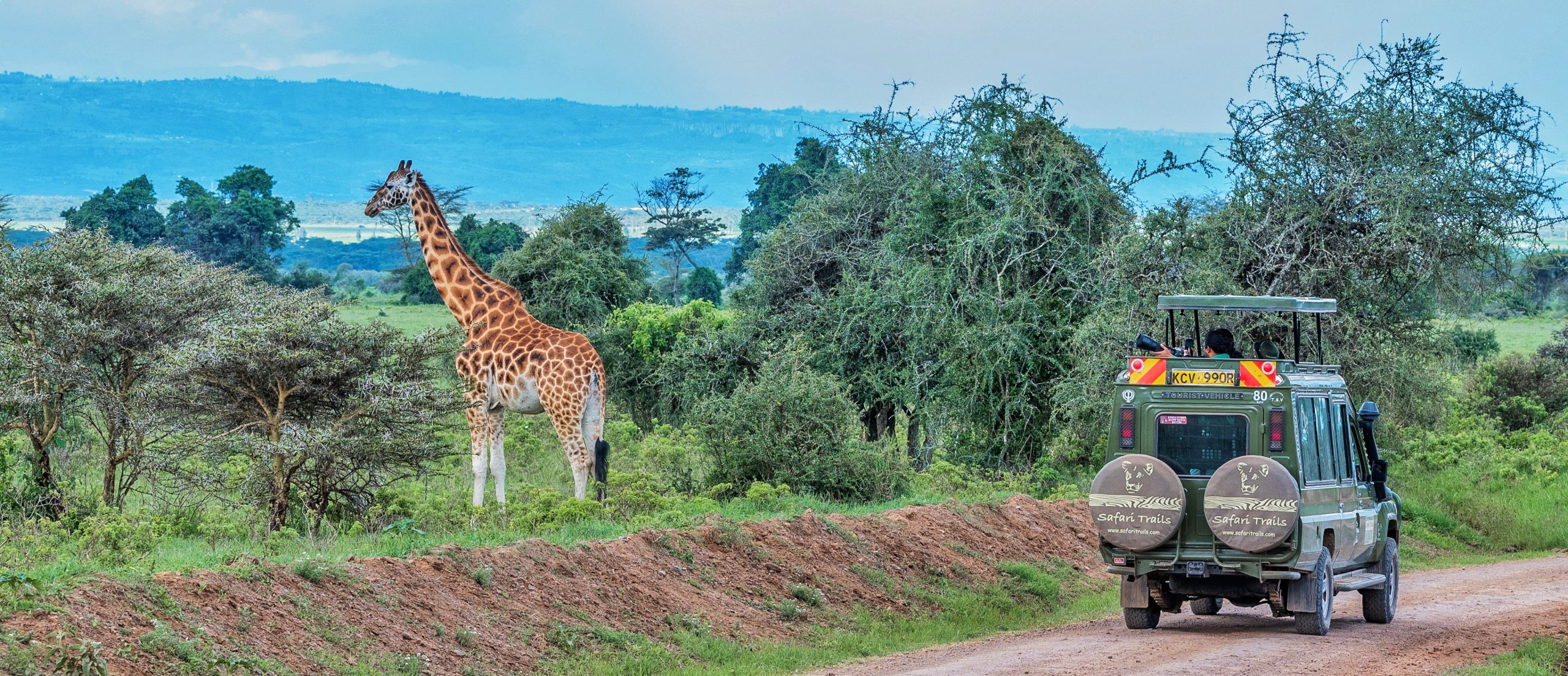
Reputable small and large tour operators organize safaris into KWS Parks and Reserves. They provide expert driver-guides, information, and great wildlife viewing trips.
Our Partnership Standards
Kenya Wildlife Service (KWS) works closely with operators and their associations Kenya Association of Tour Operators (KATO) and Tour Operators Society of Kenya (TOSK) to ensure high professional standards.
Park Entry Fees on Package Tours
If you’re on a package tour, your tour operator includes park entry fees in the total safari cost.
Self-Organized Tours
Pay entry fees yourself via the KWSPay portal: https://kwspay.ecitizen.go.ke
Accepted methods:
-
MPesa
-
Visa Card
- Direct Bank Transfer (Kenya Commercial Bank, ABSA, Equity Bank)
Safari Cost Overview
Safari prices vary by type (luxury or budget) and itinerary length.
Typical range: US$70–US$400 per person per night, covering park fees, meals, lodging, and game drives.
Detailed Fees
Check our tariff sheet for:
-
Park entrance fees
-
Camping fees
-
Vehicle entrance fees
-
Other charges
Security for our visitors to and in the parks and reserves is our most important concern. We ensure excellent security for our visitors. By observing simple park rules and regulations, our visitors are assured of accidents free visits and stay in the Parks and Reserves.
Although security for our park visitors is high, visitors need to observe the basic precautions in urban centers. Avoid walking in dark/isolated areas at night, do not wear flashy jewelry, avoid carrying and displaying valuables around
Kenya experiences varied weather conditions throughout the year. Most of the Parks and Reserves, with the exemption of mountain and forests parks, are located in areas that predominantly experience dry, warm to hot conditions.
Generally the climate is warm and humid at the coast, cool and humid in the central highlands, and hot and dry in the north and east. These climatic variations are due to differences in topography across the country. Our Parks and Reserves offer year round attractions and activities to suite your interest and schedule. However, there are two distinct tourist seasons, which generally correspond to local climatic conditions;
High season: – July-December and December to March, these are the best months to visit our parks for wildlife viewing and other activities. (Easy wildlife viewing because of short grasses in the parks, plenty of food for wildlife, good sunny climate)
Low Season: April-June. Long rains are experienced during this time. Most park roads may require use of 4-wheel-drive vehicles.
There are a variety of visitor accommodation facilities in our Parks and Reserves to suite your taste, budget and safari style. The visitor accommodation range from luxury lodges and tented campsites to private budget campsites operated by individual operators.
KWS runs public and special campsites, and self-catering accommodation units (Bandas) which provides accommodation for visitors wanting to experience a closeness to the wild away from the beaten track.
KWS works together and in partnership with various organizations and individuals. If you would like to join and support KWS in its many conservation programs you can contact the KWS Director General through:
Kenya Wildlife Service
P.O. Box 40241 – 00100
Nairobi – Kenya
Tel: (254-020) 600800
E-mail: kws@kws.go.ke
You can buy branded KWS gift items, souvenirs, curios, park maps and guide books from our shops located at:
- Kifaru Ark Shop, Nairobi National Park, Main Gate, Langata Road.
- Man Eaters Gift Shop, Tsavo West National Park, Main gate, Mtito Andei.
- Tsavo River Gate Gift Shop, Tsavo West National Park
- Voi Gate Gift Shop, Tsavo East National Park
- Sala Gate Gift Shop, Tsavo East National Park