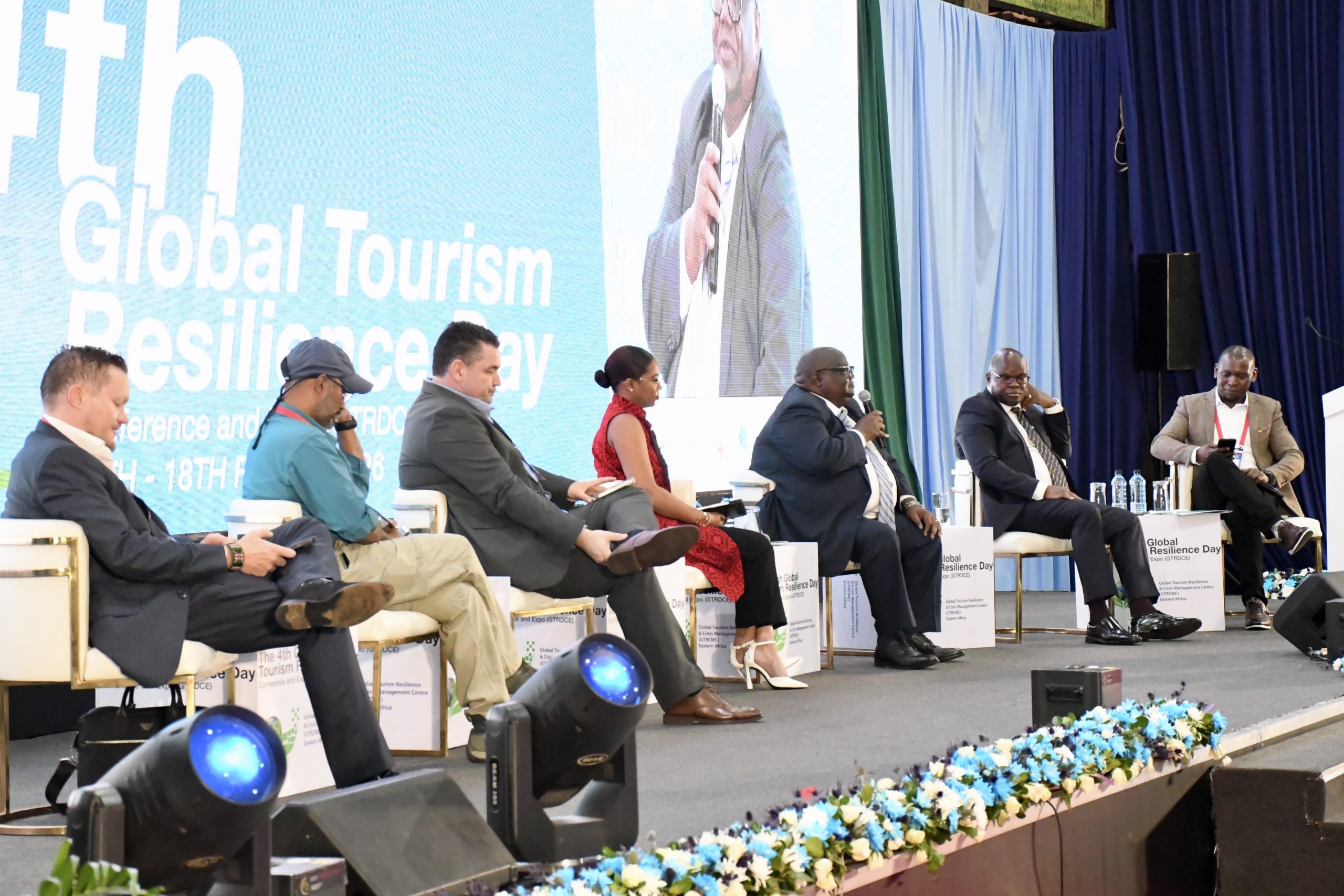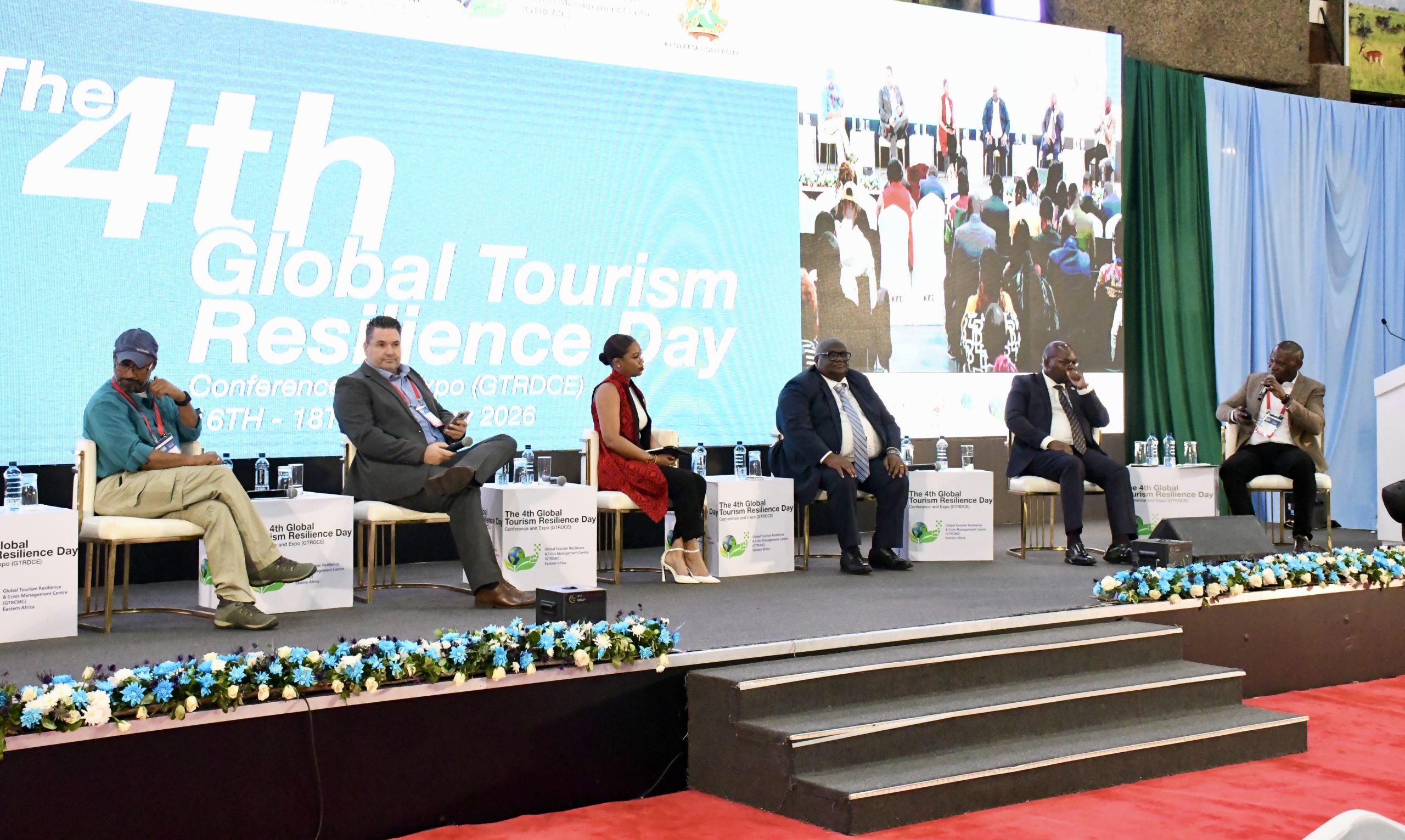
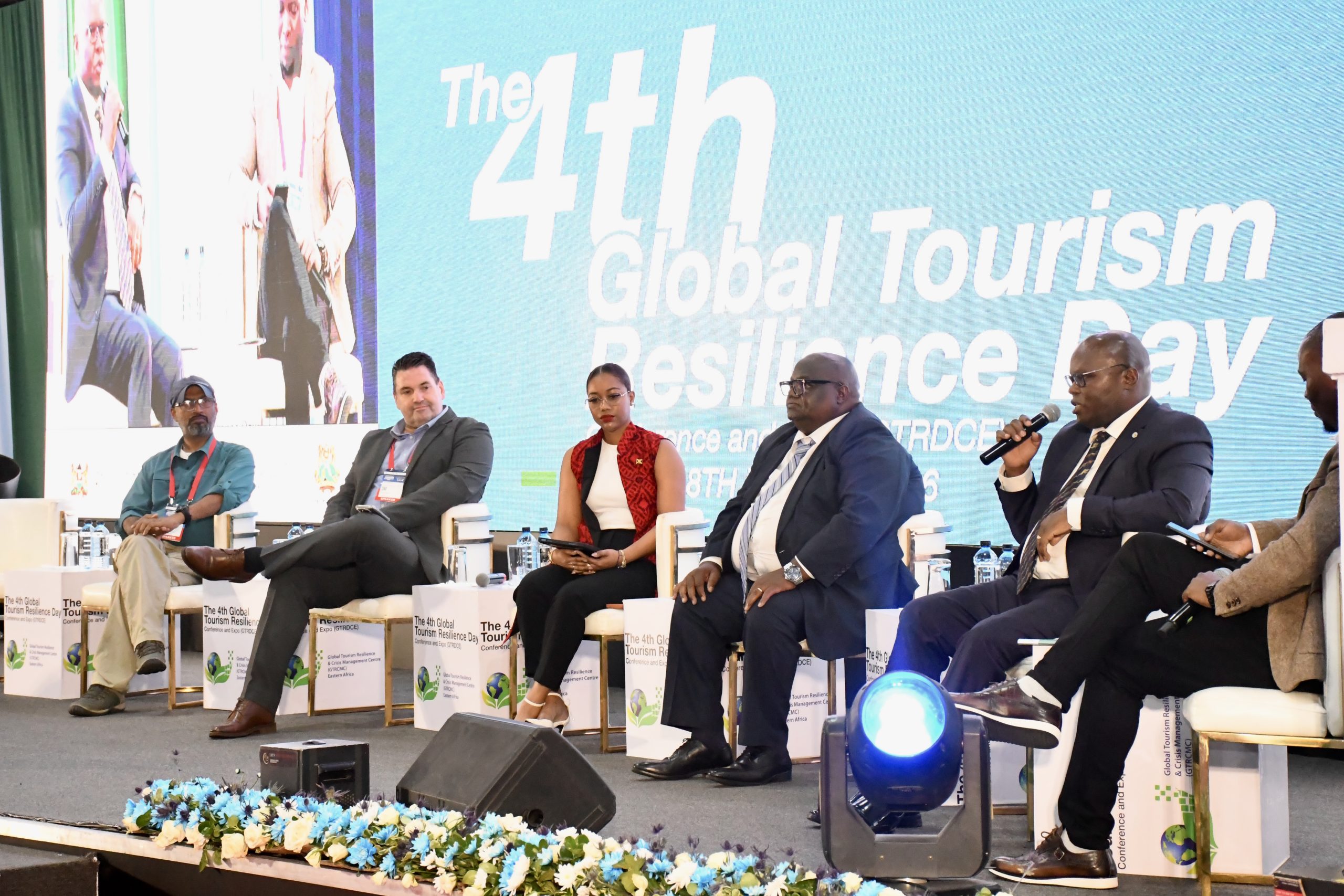
On Day 2 of the 4th Global Tourism Resilience Day Conference and Expo (GTRDCE), held at the Kenya International Conference Centre (KICC), Director General of the Kenya Wildlife Service (KWS), Prof. Erustus Kanga, actively participated in a high-level panel discussion on resilience in wildlife and nature-based tourism, drawing significant attention from global stakeholders. He emphasized that healthy wildlife ecosystems transcend mere tourist attractions, serving as invaluable national heritage, pillars of cultural identity, economic lifelines for communities, and essential ecological stabilizers. He noted that the resilience of wildlife ecosystems directly shapes the resilience of the tourism industry and ultimately influences the well-being of millions worldwide who depend on it.
During the session, Prof. Kanga announced the launch of KWS’s innovative Donation Portal at https://kwspay.ecitizen.go.ke/donate, a digital platform enabling individuals and organizations worldwide to directly support wildlife conservation and ecosystem resilience. The initiative represents a modern and accessible approach to funding sustainable tourism and biodiversity protection amid escalating global threats such as climate variability, poaching, habitat fragmentation, and disruptions in tourism flows. Kenya’s pioneering model, anchored in the Wildlife Conservation and Management Act of 2013—which designates wildlife as a public trust resource—and guided by the KWS Strategic Plan 2024–2028, prioritizes ecosystem-based approaches, community participation, equitable benefit-sharing, climate-adaptive strategies, technology integration, and cross-sector partnerships aligned with the UN Sustainable Development Goals. With over 70 percent of the nation’s tourism revenue dependent on wildlife and natural assets, similar to models seen in Costa Rica and South Africa, resilient ecosystems continue to sustain stable value chains, employment creation, competitiveness, and long-term ecological sustainability.