About Aberdare National Park
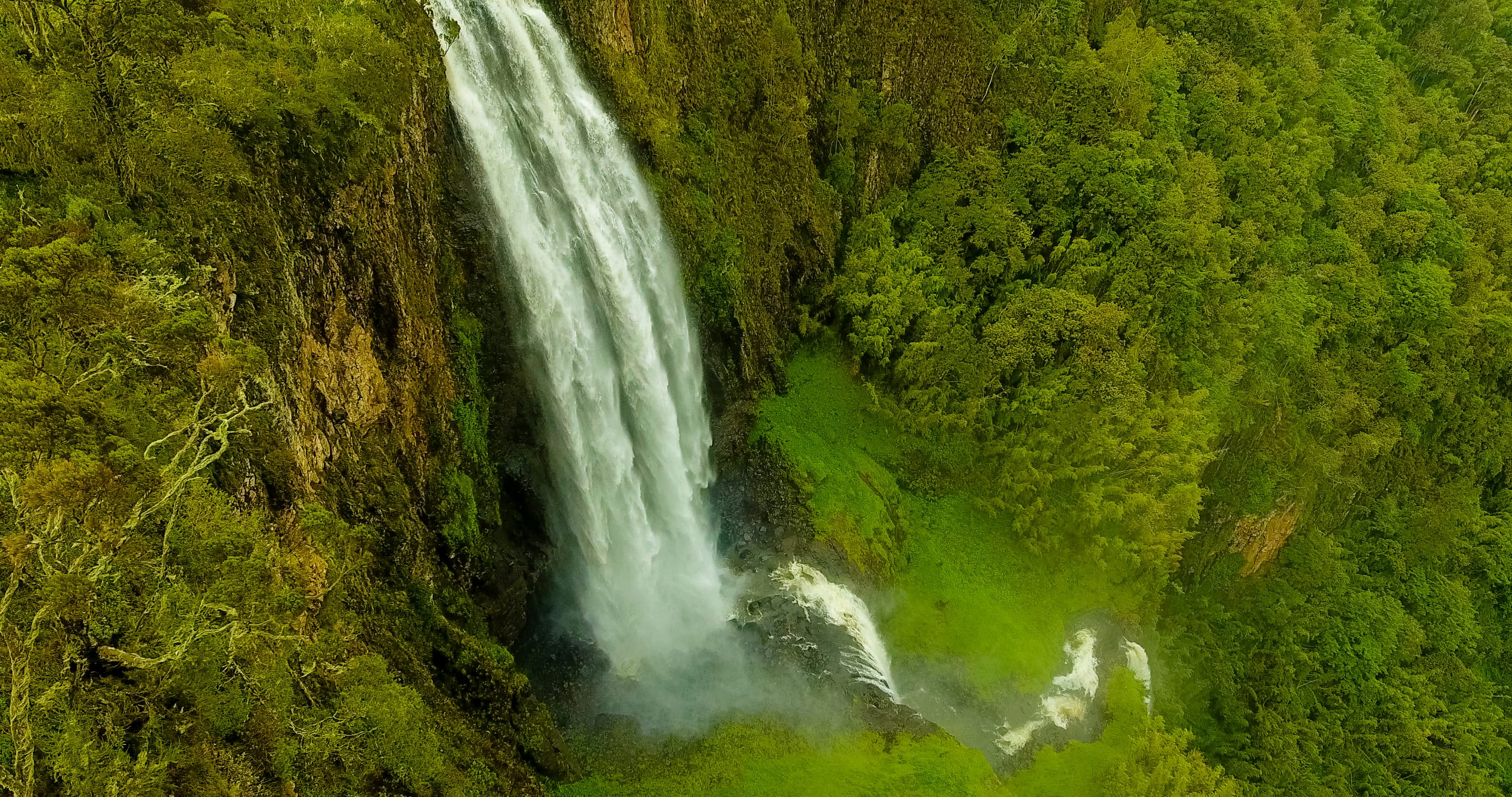
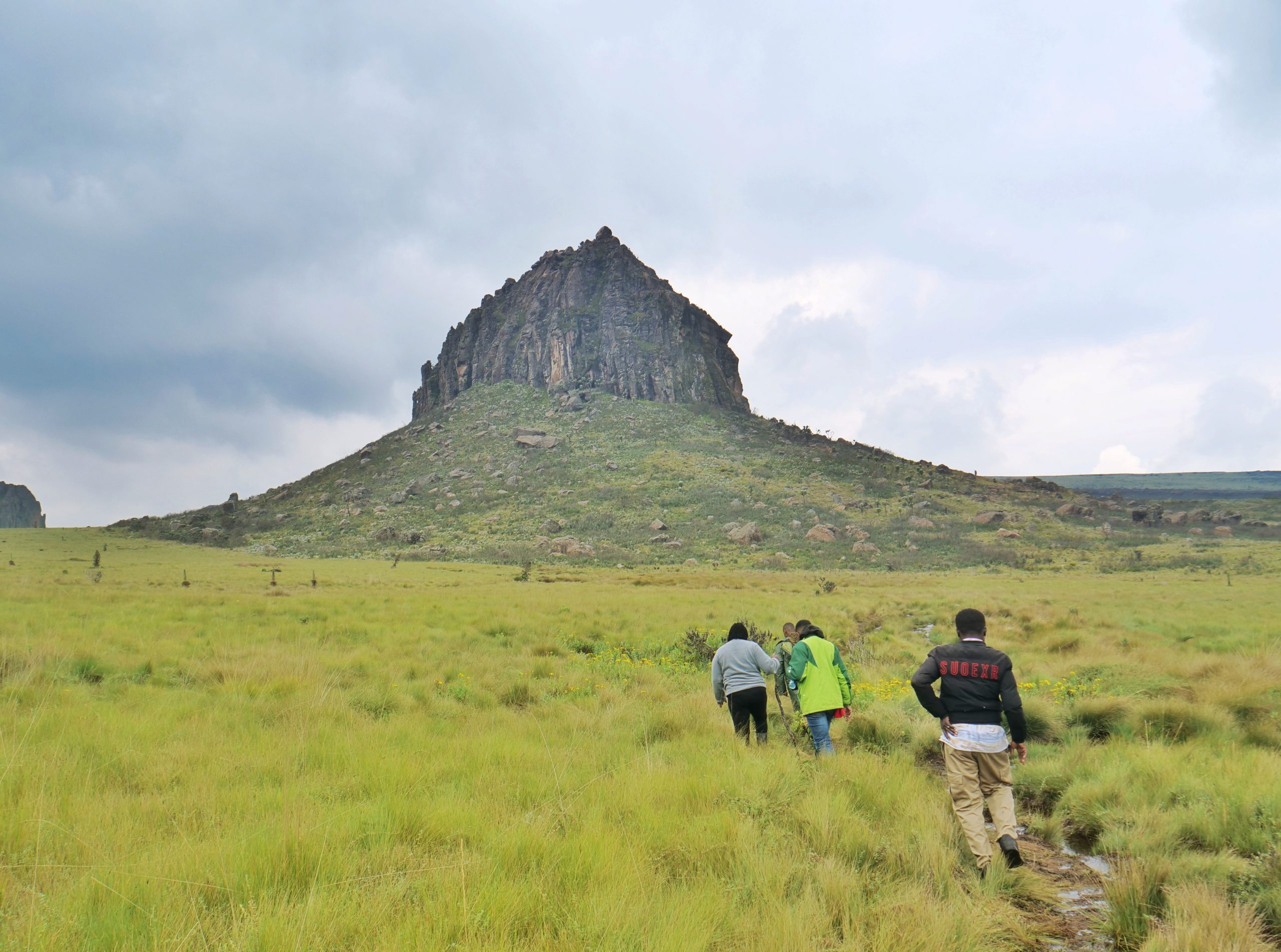
Rising as a cool, mist-cloaked volcanic range along the eastern wall of the Rift Valley, the Aberdare offers a striking contrast to Kenya’s open savannahs. This mountainous park is defined by thick tropical forests, high peaks, deep ravines, icy streams, and cascading waterfalls, creating some of the country’s most dramatic scenery.
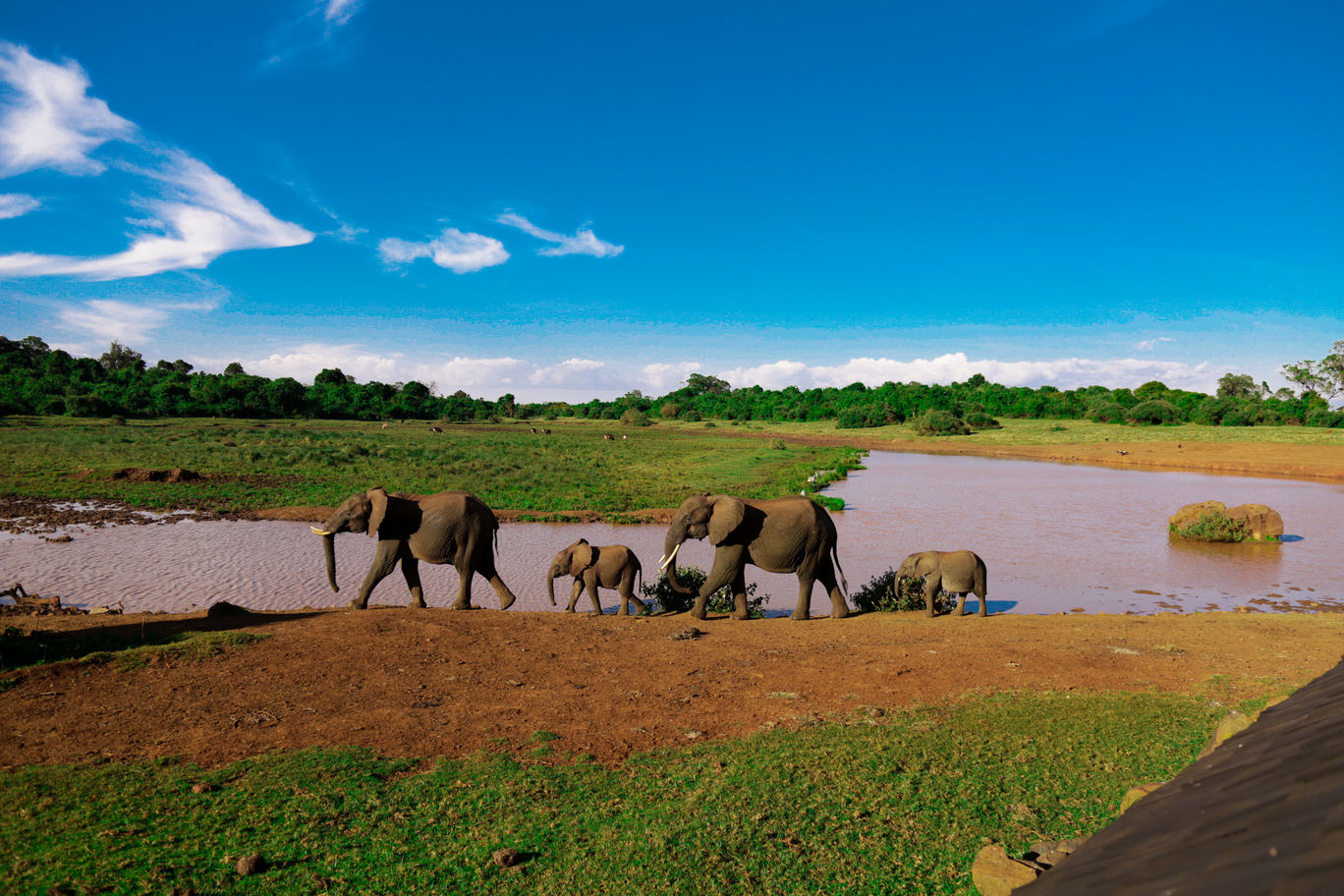
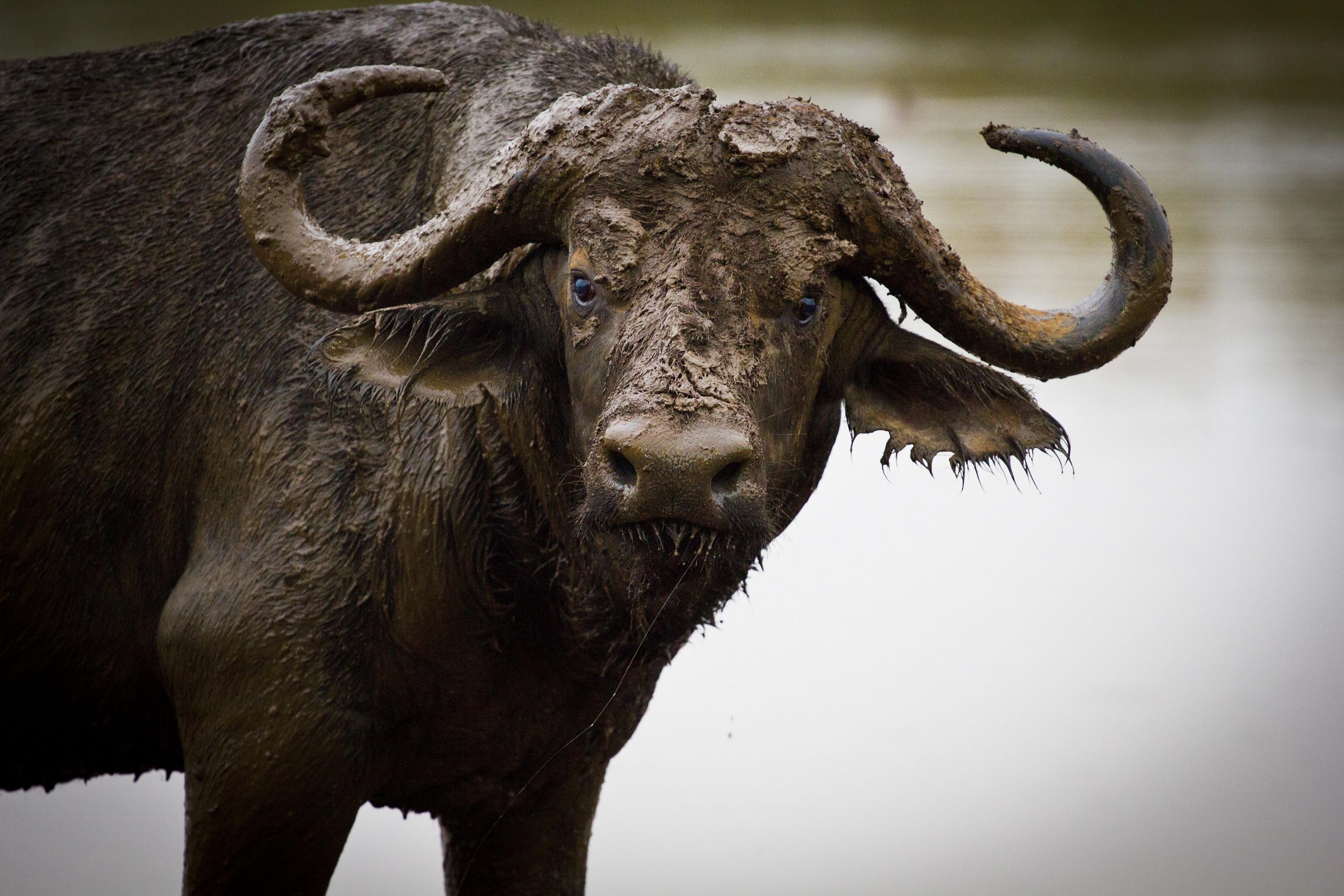
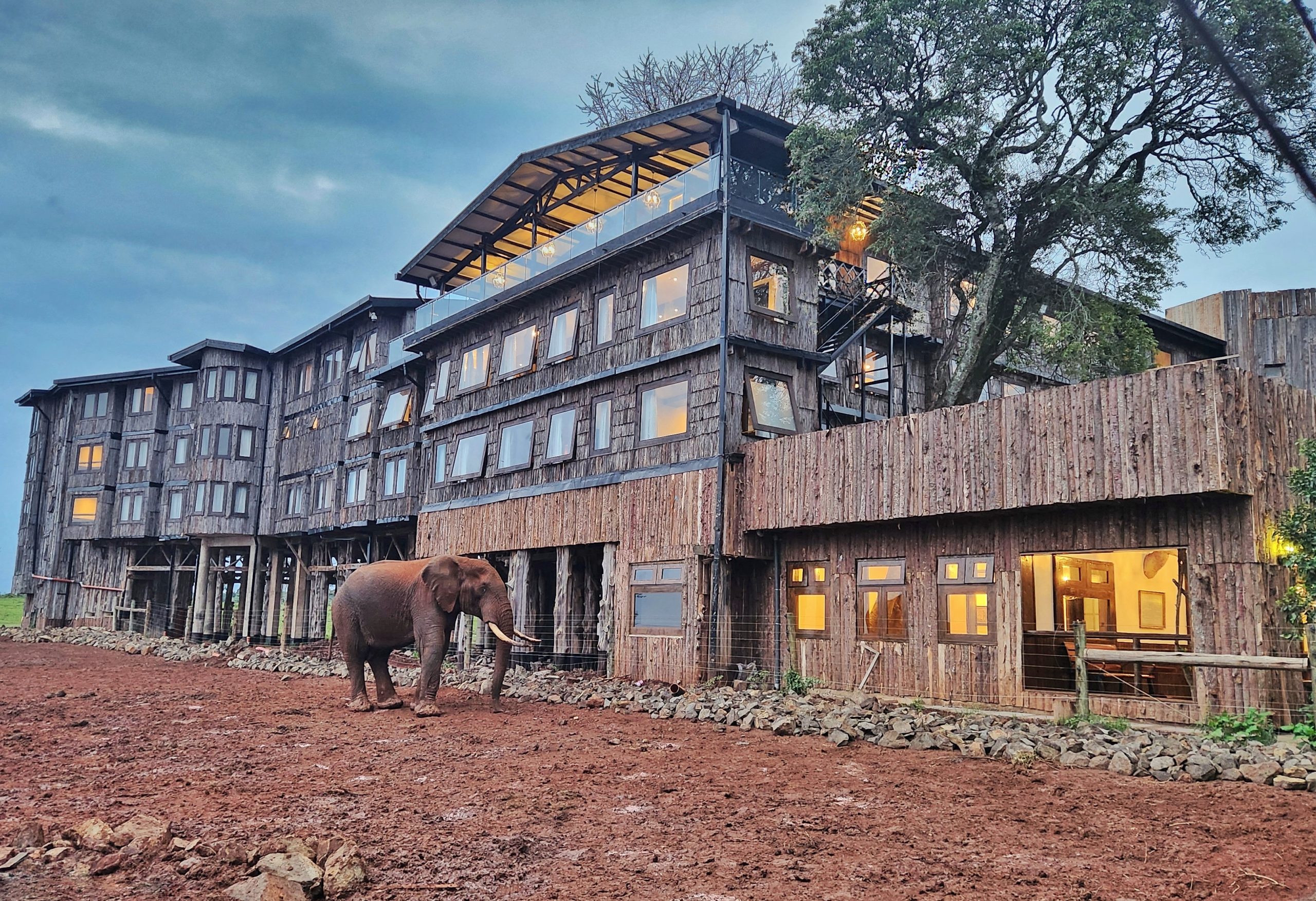
Steeped in history as the place where Princess Elizabeth learned she had become Queen at Treetops Lodge, the Aberdare National Park is also a haven for wildlife, with elephants and buffalo emerging from the dense forests. Game drives, scenic treks, and breathtaking viewpoints make the Aberdare a truly unique highland safari experience.
Important Information
- Rolling misty valleys, hills, and dramatic mountain landscape
- Open moorlands and dense montane forests with cool, crisp highland air
- Scenic high-altitude viewpoints and tranquil natural settings
- Spectacular waterfalls
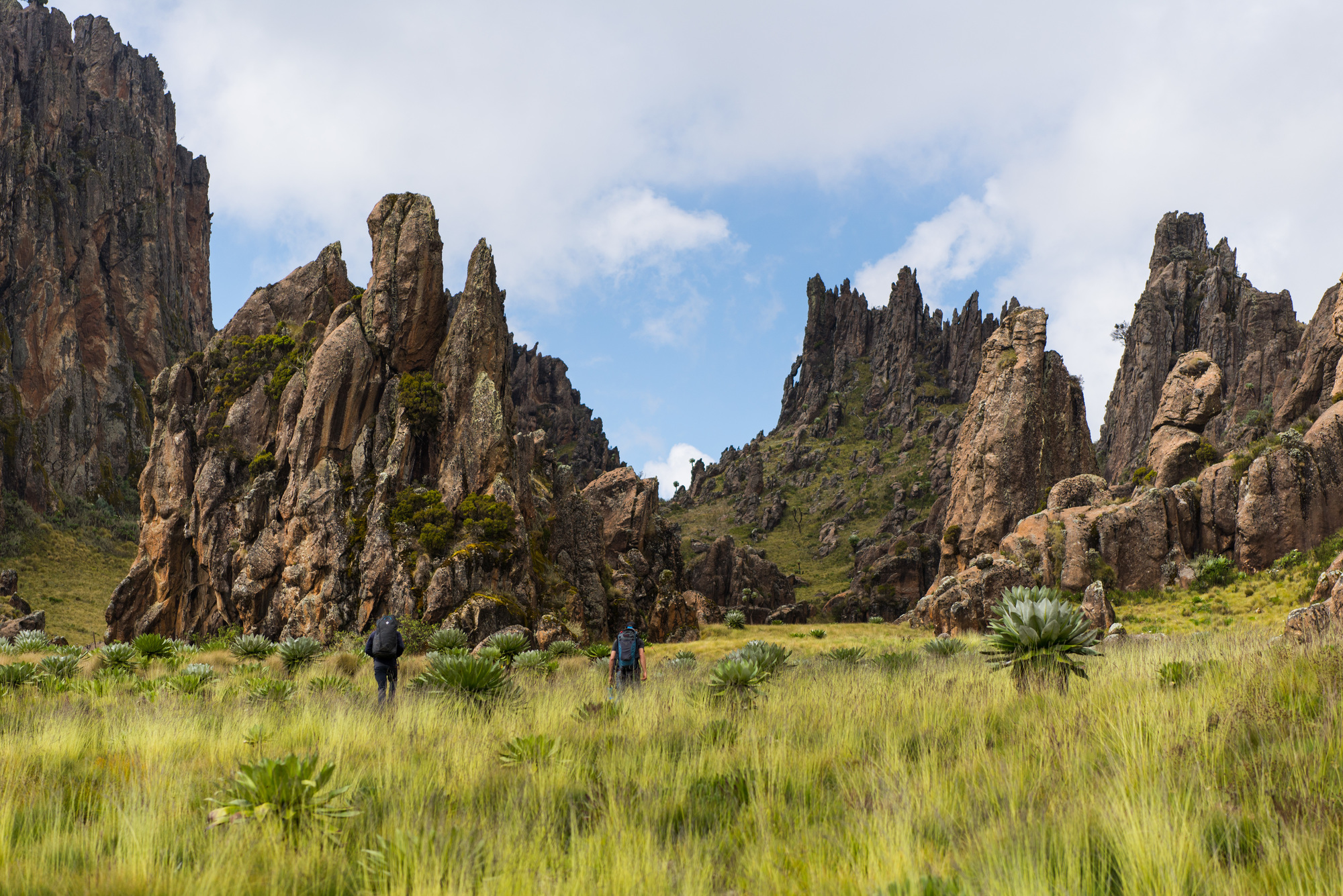
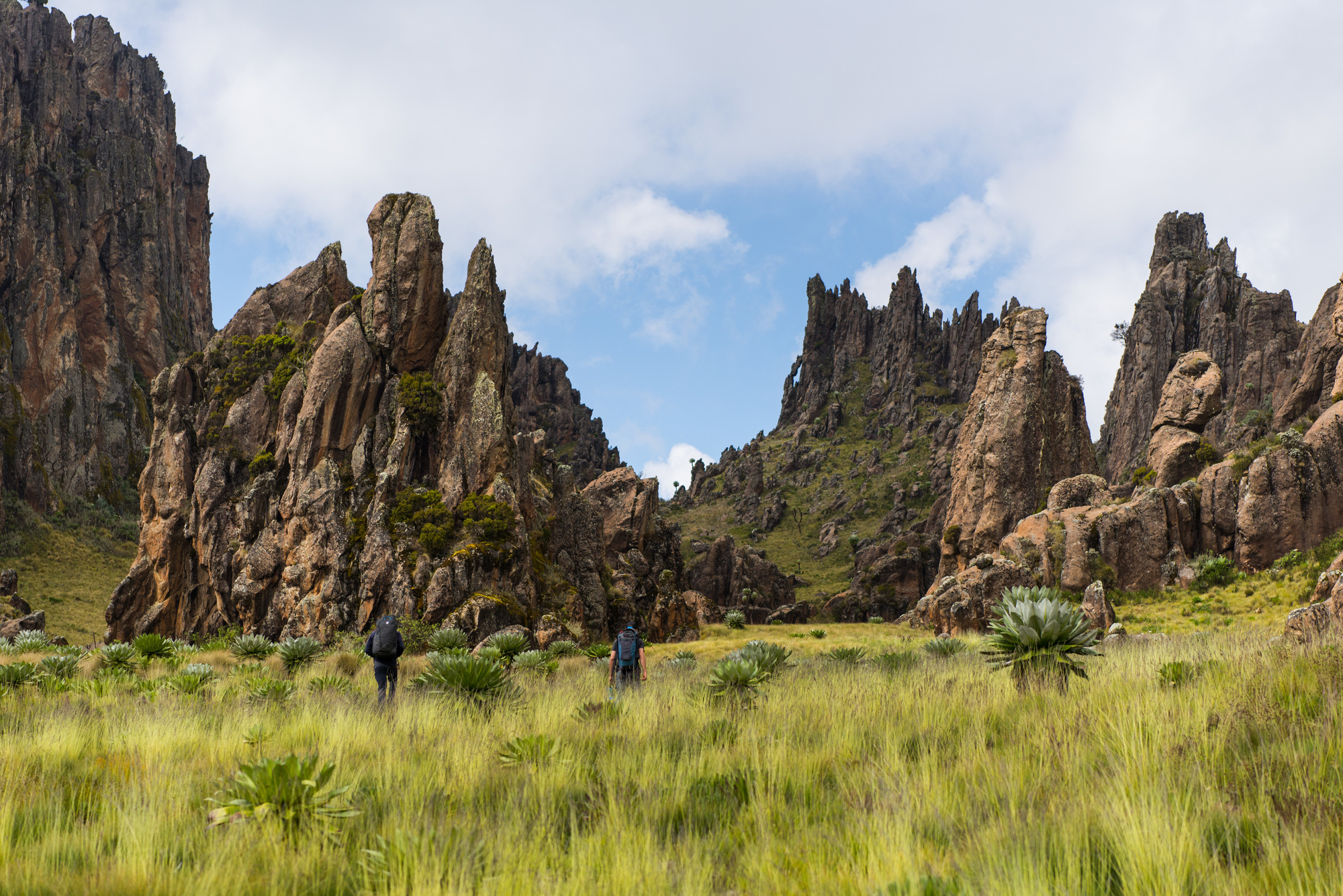
- Dragon Teeth rock formations
- Twin Peaks/Twin Towers volcanic outcrops
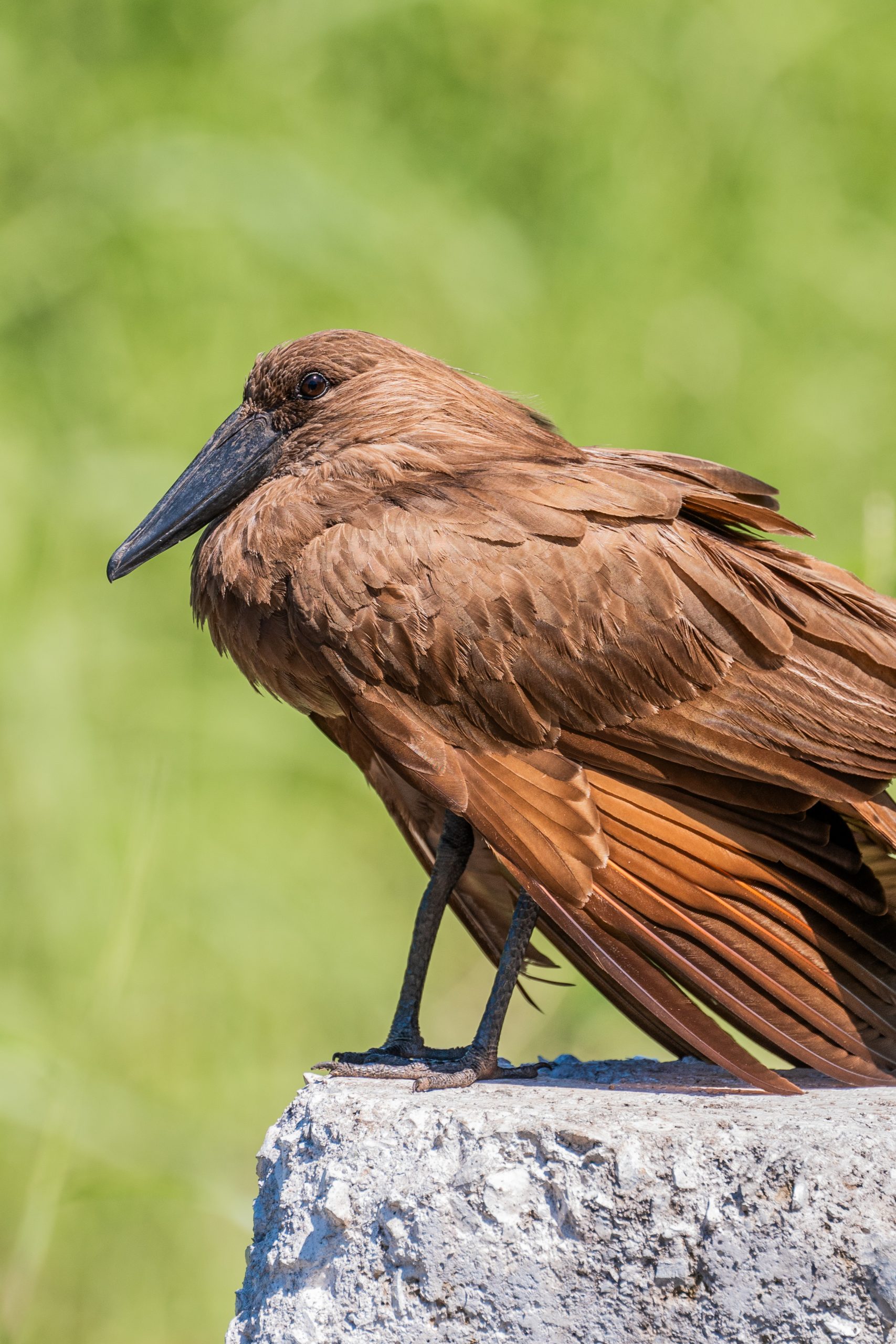
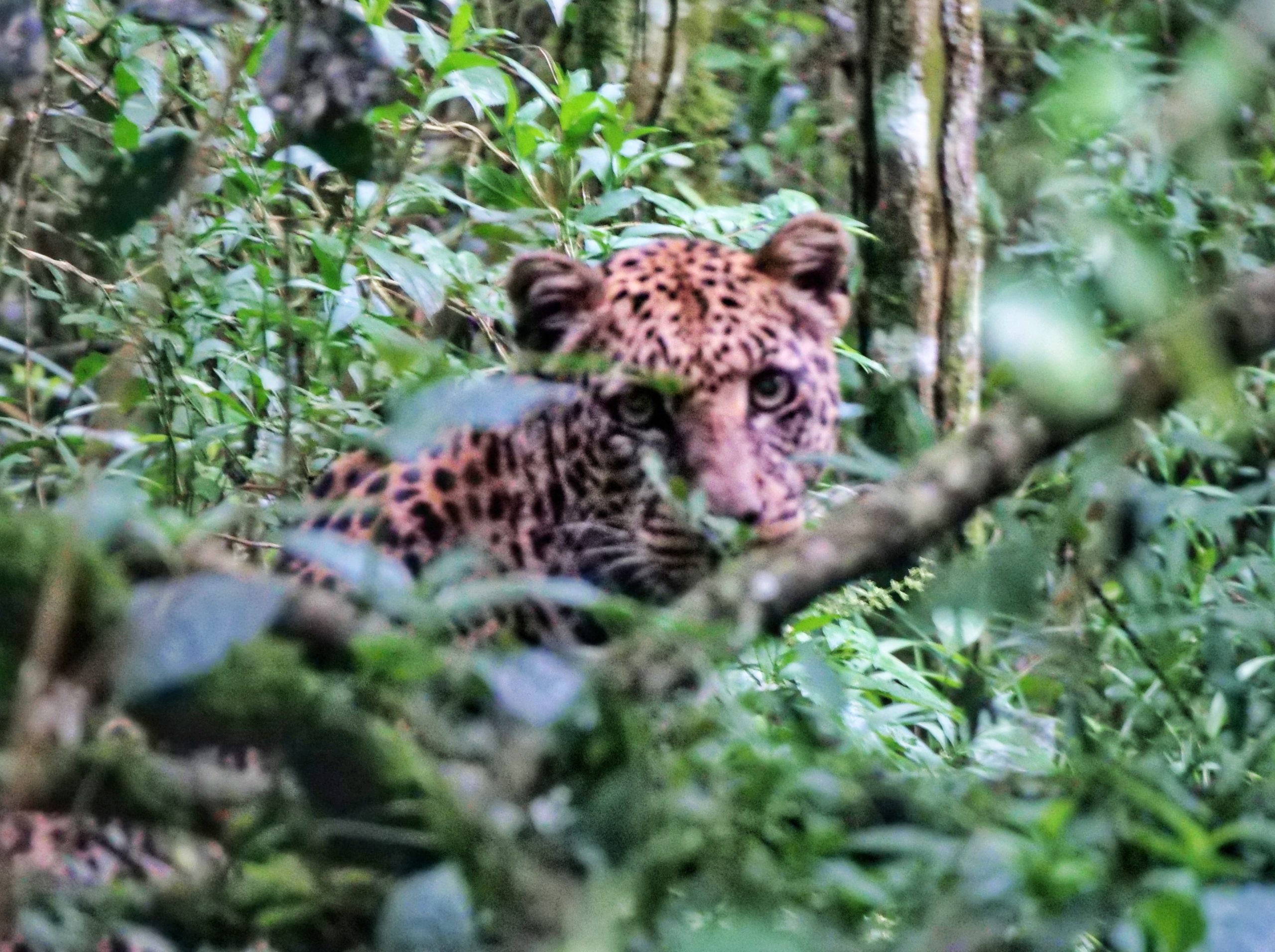
- Rich wildlife diversity
- Hiking trails – Mount Satima; the highest peak in the Aberdare Range and the third-highest in Kenya.
- MauMau Post Office tree – is a historic, large Mugumo (fig) served as a secret communication hub for Mau Mau fighters during Kenya’s struggle for independence, with fighters leaving messages in holes within its trunk.
- Treetops Lodge – renowned as the site where Princess Elizabeth acceded to the British throne in February 1952, upon the death of her father, King George VI.
Mbugani Homes
Public Campsite
- Reedbuck (At The Moorlands)
- Ruhuruini Campsite
Special Campsites:
- P.C Haji’s Campsite, Muringato (M1). Bongo (M2), Nyati (M3), Queen Beatrix (M5), Kiguru (K1), Kifaru (K2), Prince Charles (PC)
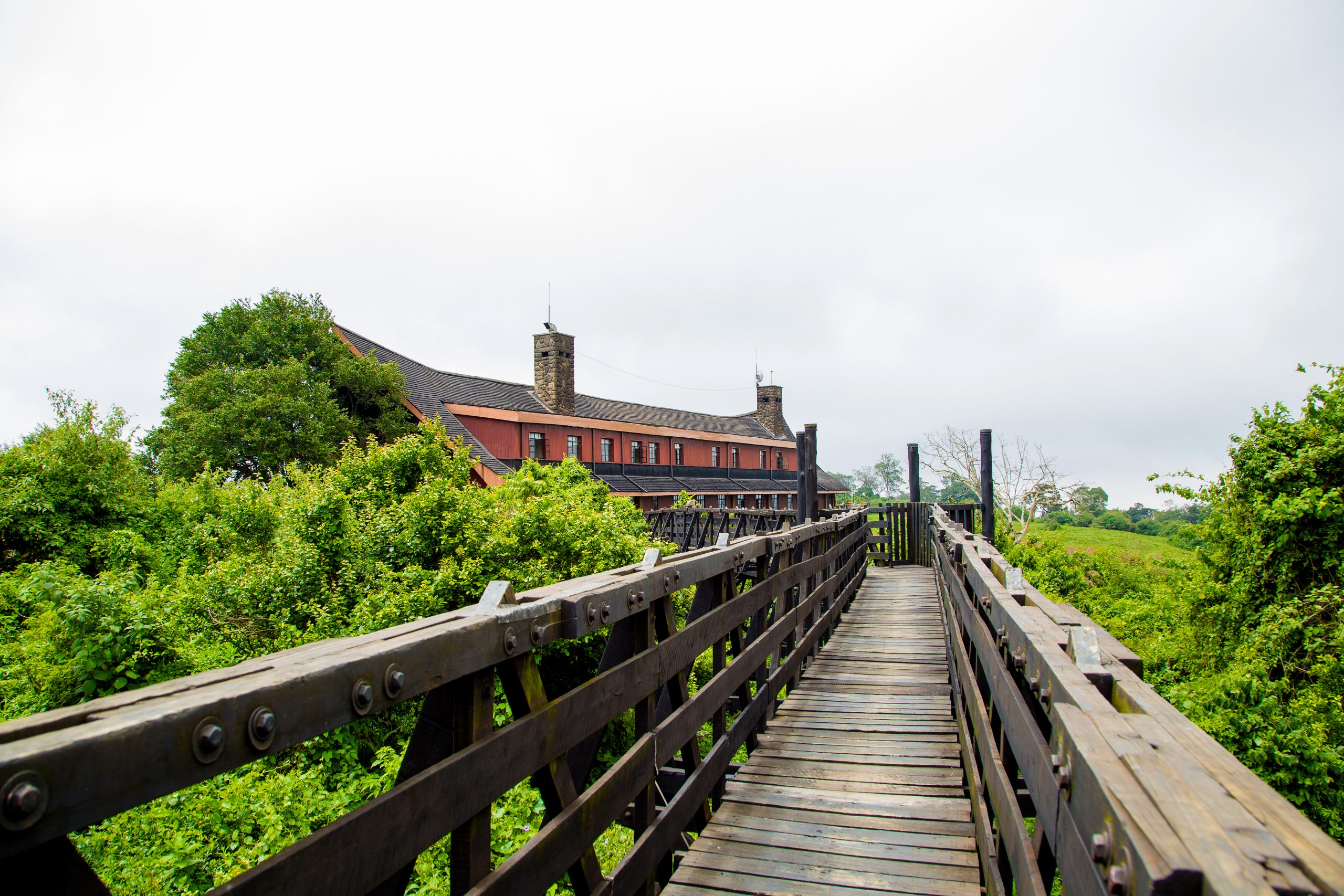
Privately – Owned Hotels/Lodges in the Park:
By Road: The Park is readily accessible on tarmac from Nyeri and Naromoru on the Eastern side and it’s located 150 Kms from Nairobi. A road crosses the park through the lower slopes, up to the Moorlands, to connect with another road from Naivasha on the western side. Naivasha is 87 Kms from Nairobi . The park HQS is 15 Kms from Nyeri town along the Nyeri – Nyahururu road.
By Air: The nearest airstrip is Mweiga Airstrip on the opposite side from Park Hqs along Nyeri – Nyahururu road near Sasini Estate Farm
- Personal effects
- Clean drinking water
- Food
- Camping equipment
Also important are:
- Camera
- binoculars
- sunscreen
- Insect repellent,
- First aid kit
- Sunglasses
- sun screen
- Guidebooks
- Warm clothing(temperatures drop rapidly at night),
- Walking boots
- Compass Maps and
- Additional fuel if you intend to stay in the park longer.
Your safety matters. Please review our essential guidelines to help ensure a safe, enjoyable experience for you and for the wildlife.
- You are in the wildlife’s home. Please respect their privacy and right of way.
-
National parks are plastic-free. Single-use plastic is prohibited.
-
General road rules apply. Car hooting or driving under the influence of alcohol are strictly prohibited.
-
Adhere to park entry and exit times. Gates open at 6:00 AM and close at 6:00 PM, unless you are spending overnight.
-
Move slowly and quietly. Animals can react dangerously if startled.
-
Noise distracts wildlife. Use mobile phones and sound devices sparingly and only in designated areas.
-
Remain in your vehicle unless in designated areas. Keep doors closed at all times.
-
Observe the maximum speed limit of 40 km/h (25 mph). Speeding attracts penalties.
-
Stay on established roads and trails. Off-road driving is strictly prohibited.
-
View wildlife from a minimum distance of 20 meters.
-
Feeding wildlife is prohibited, as it disrupts their diet and leads to human dependency.
-
Carry out all trash to help keep the park clean.
-
Do not leave campfires unattended while camping.
-
Visitors enter the park at their own risk and Terms and conditions apply.
Hotline:0113067779
Toll Free: 0800 597 000
Email: customerservice@kws.go.ke
WhatsApp: +254 (0) 726 610509
Aberdare National Park Rates
- East Africa Citizen: Individuals holding Kenyan nationality
- Kenya Residents: Foreign nationals legally residing in Kenya.
- African Citizens: Africa nationals (excluding Kenya and EA countries)
-
Non-residents: Foreigners visiting on a valid visa
East Africa Citizen Adult
KES. 800
East Africa Citizen Child
KES. 500
Kenya
Resident Adult
KES. 1100
Kenya
Resident Child
KES. 675
Non
Resident Adult
USD 70
Non
Resident Child
USD 40
Africa
Citizen Adult
USD 40
Africa
Citizen Child
USD 20
Aberdare National Park Gallery