About Lake Nakuru National Park
Lake Nakuru National Park is a landscape of striking beauty and rich biodiversity. Its shimmering semi-alkaline lake reflects vast open skies, creating a breathtaking natural stage that captivates visitors from the moment they arrive.
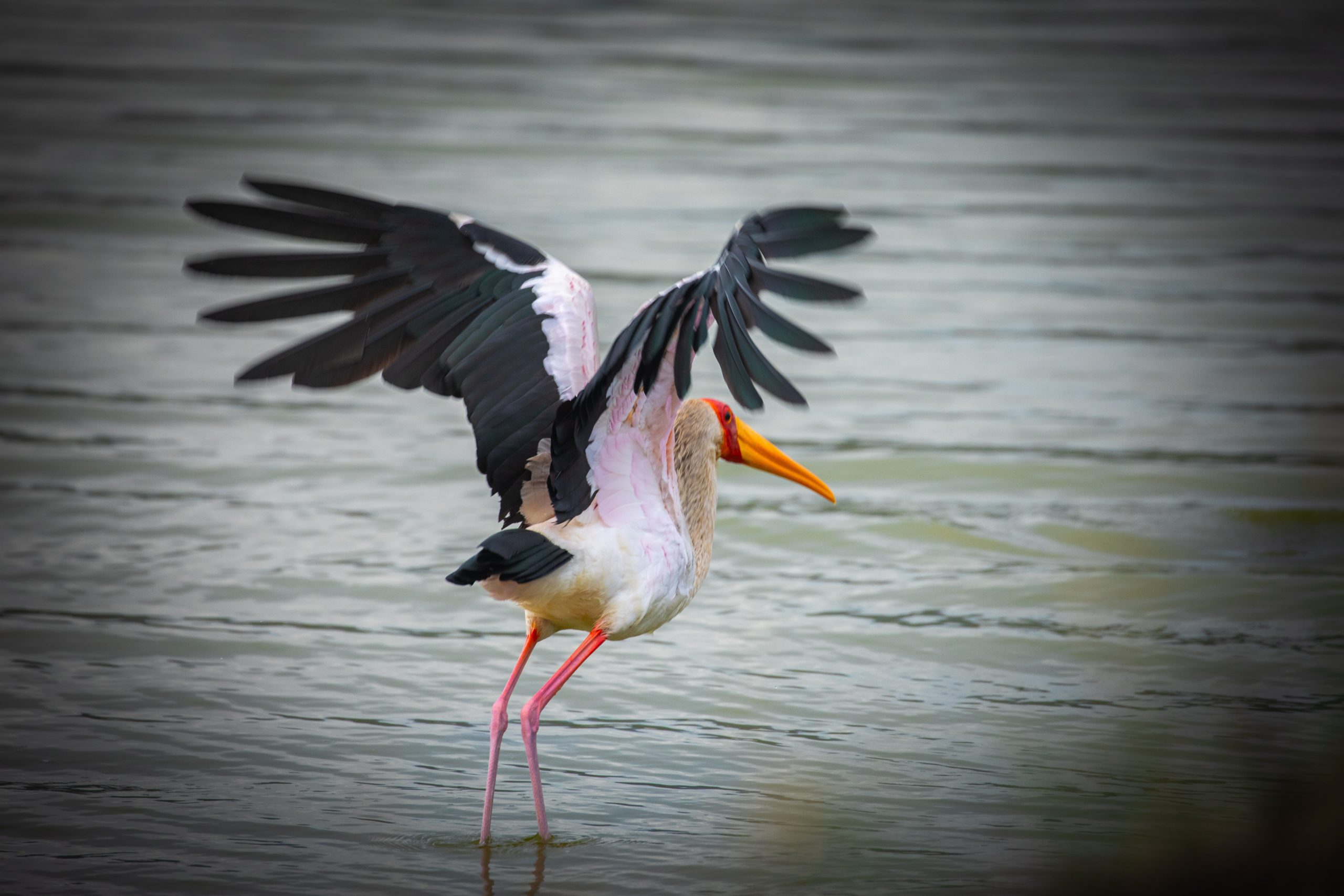
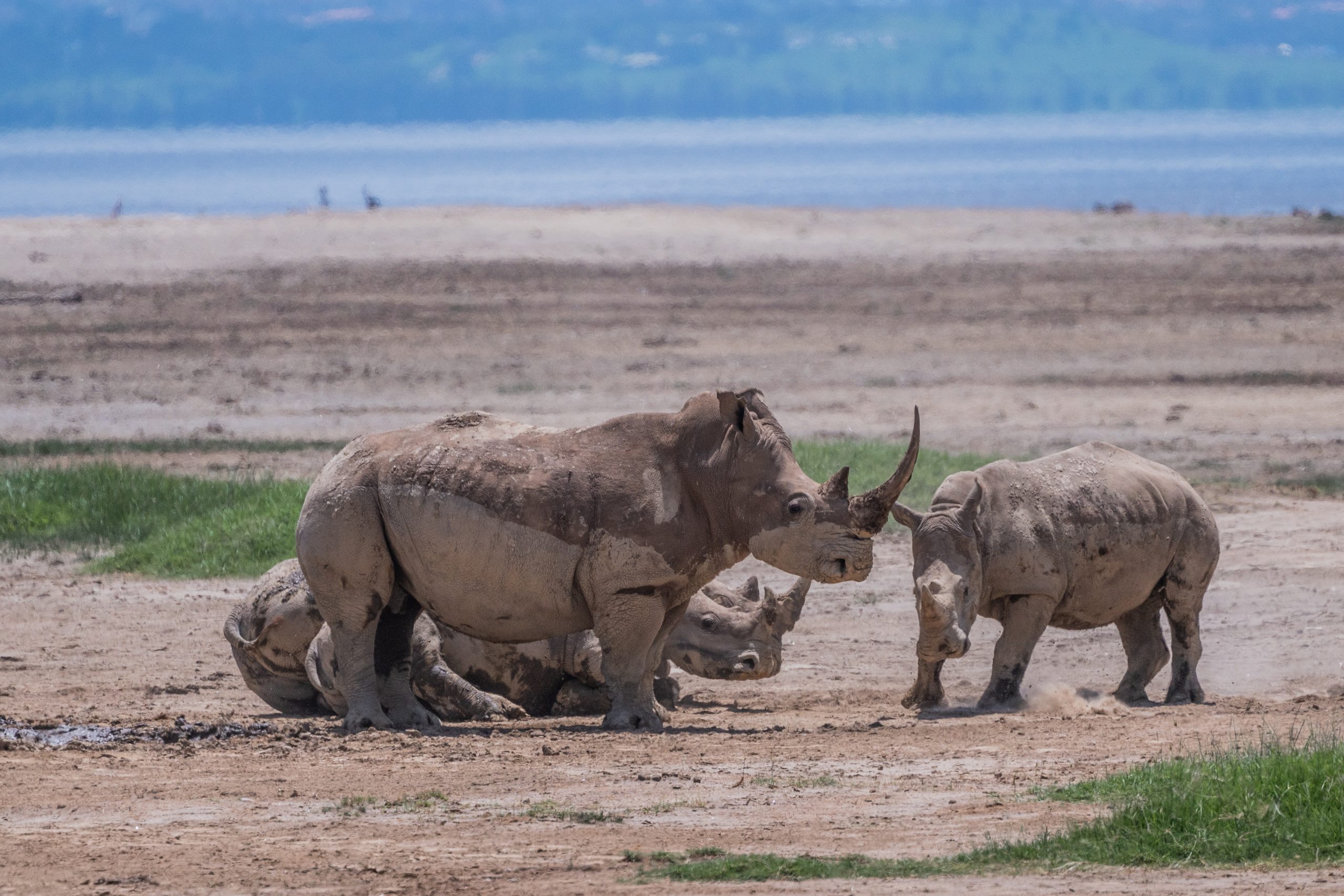
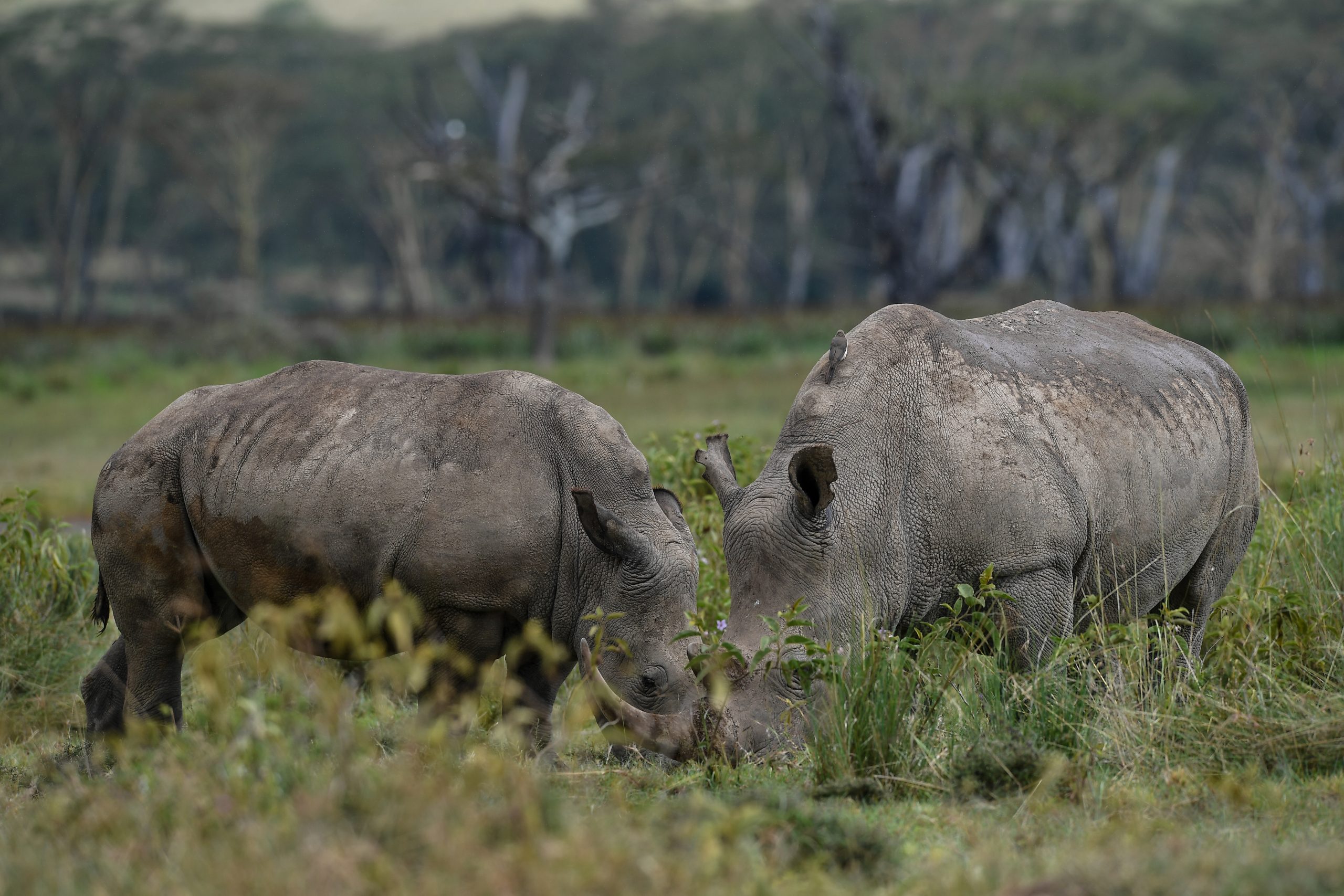
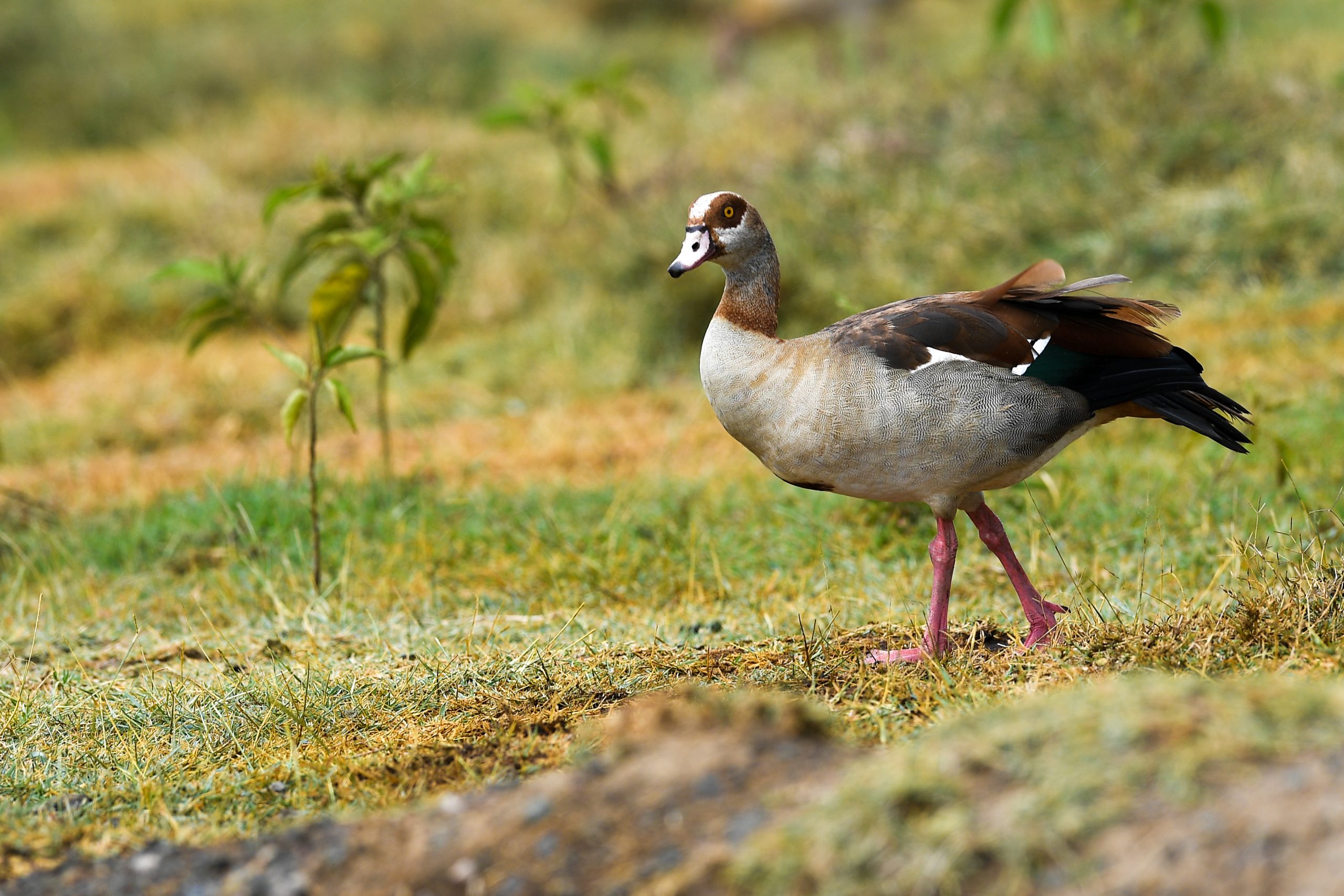
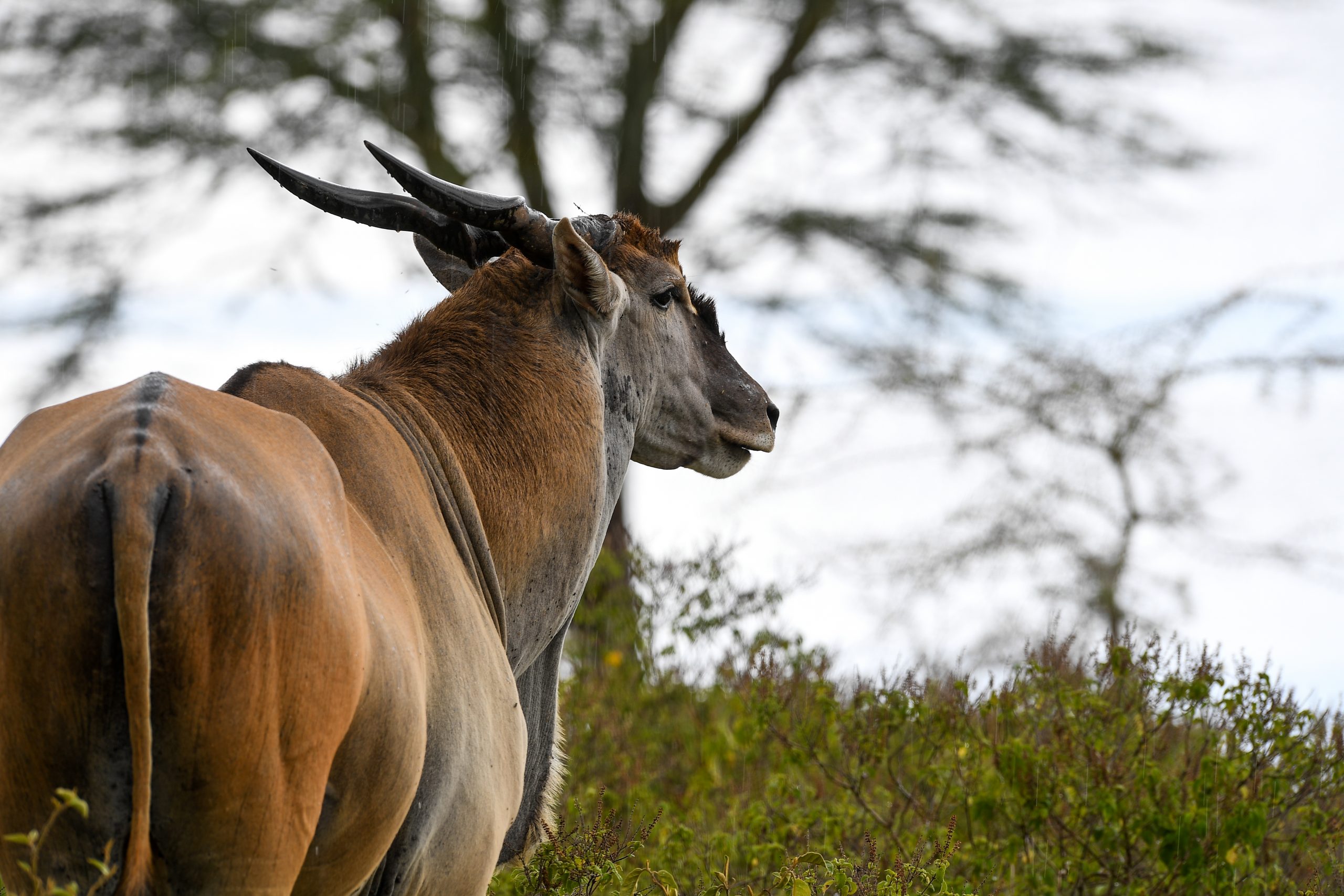
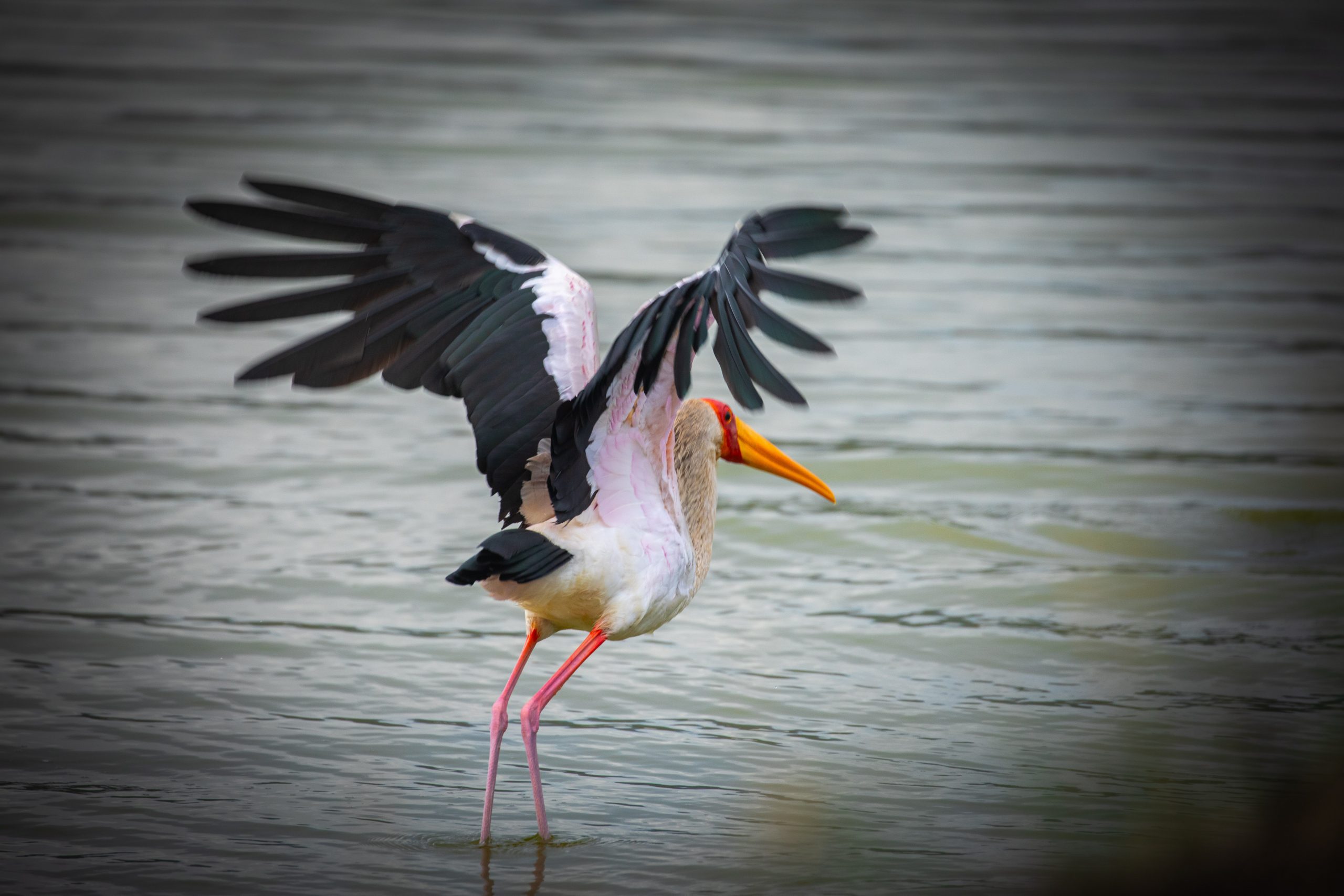
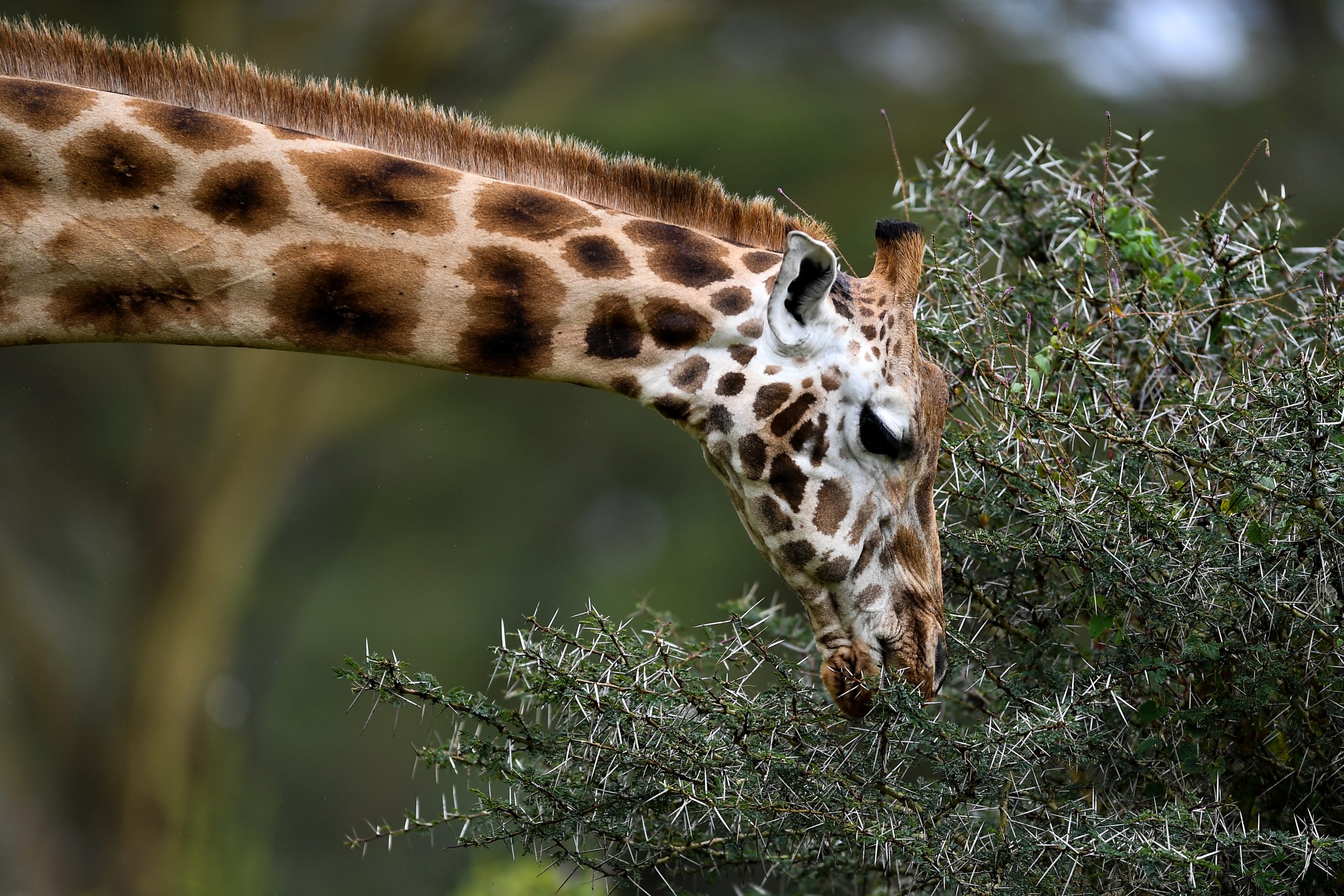
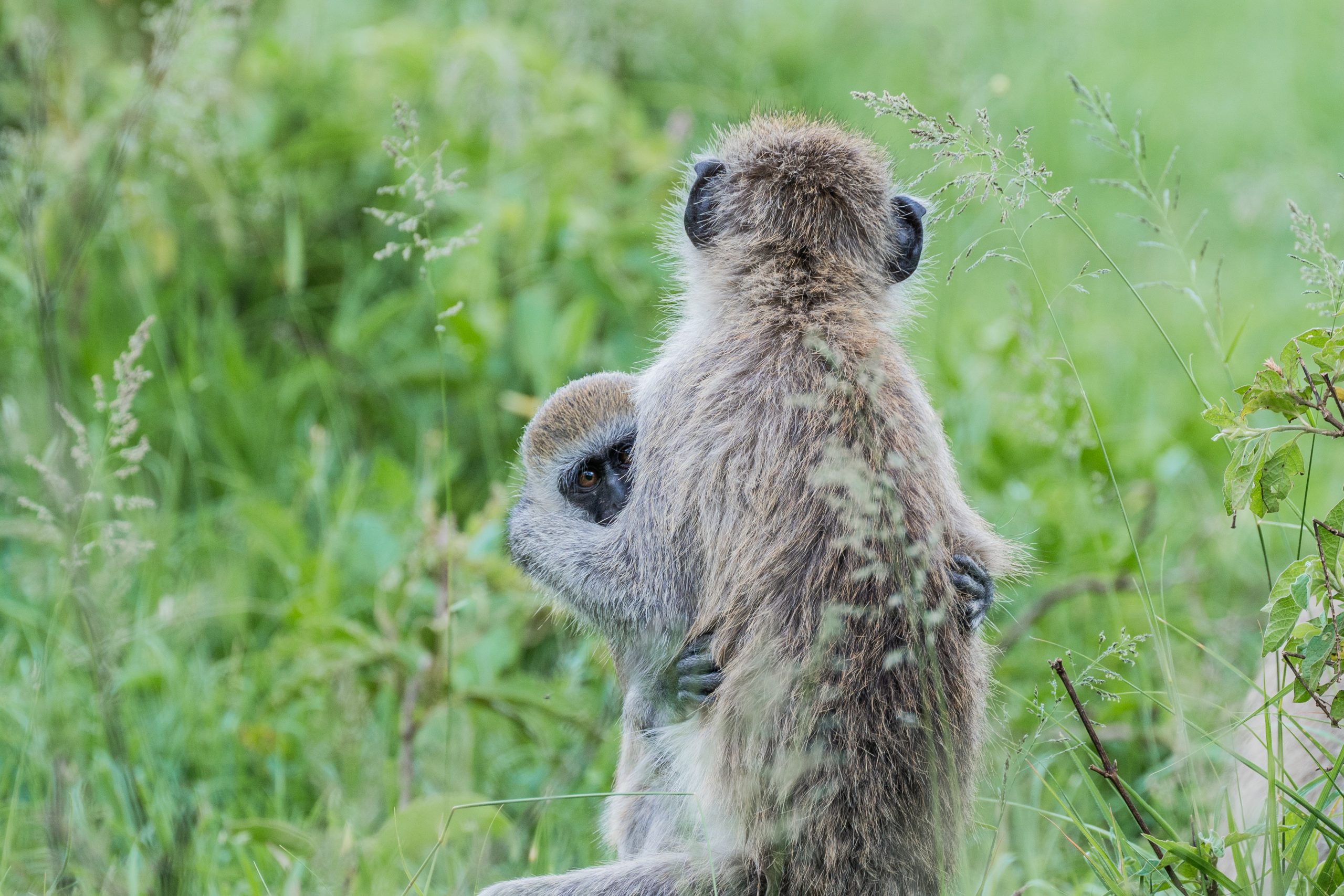
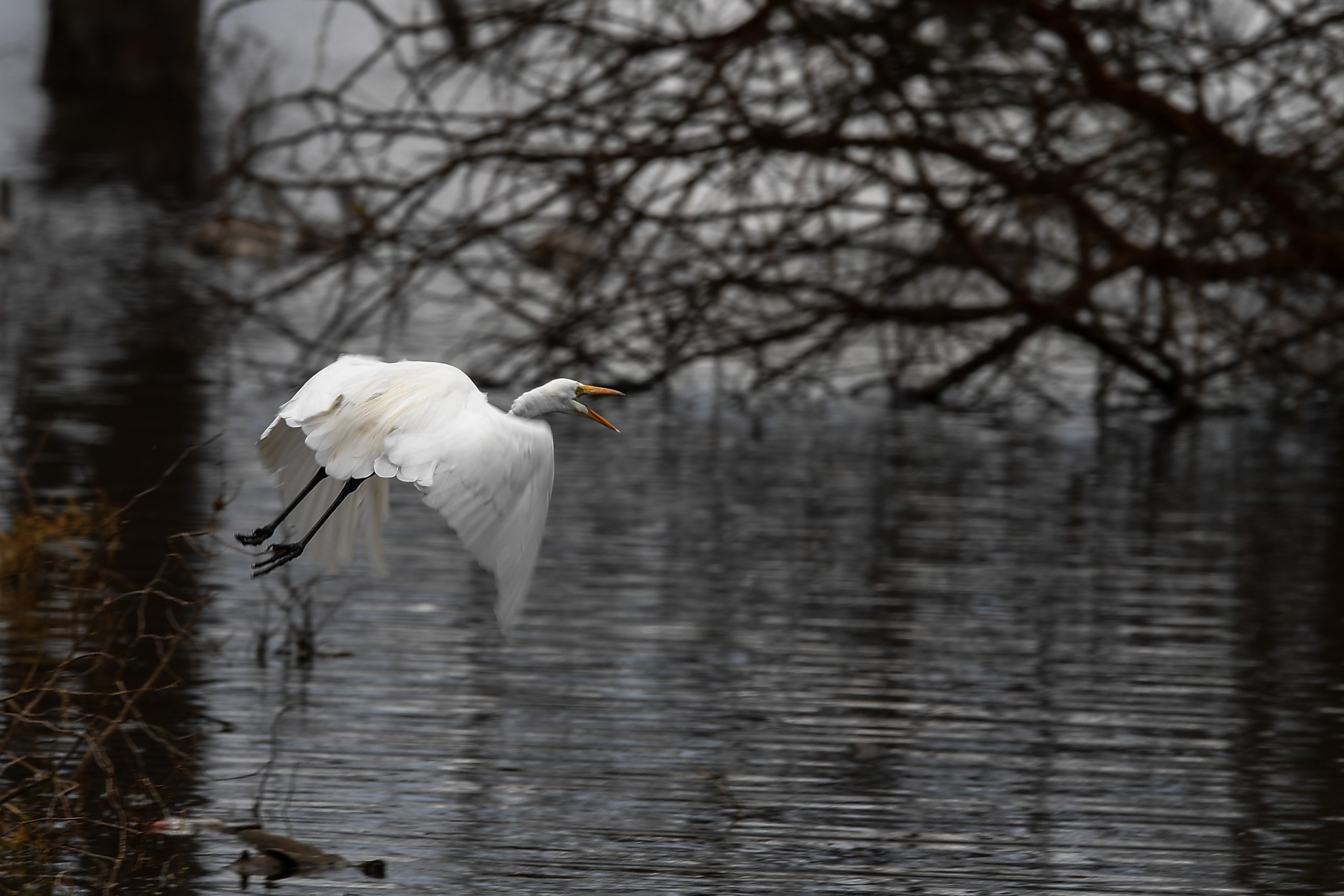
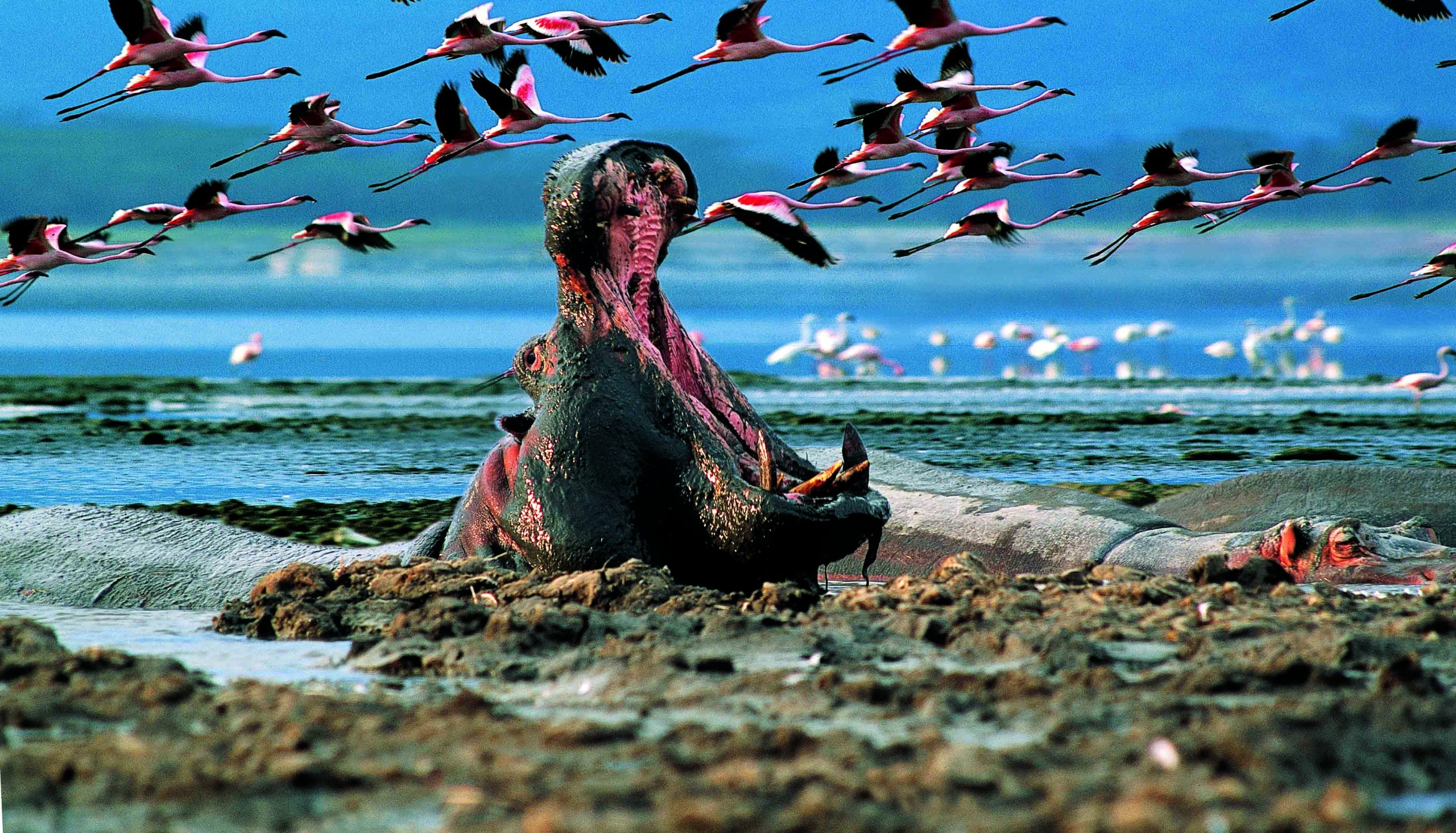
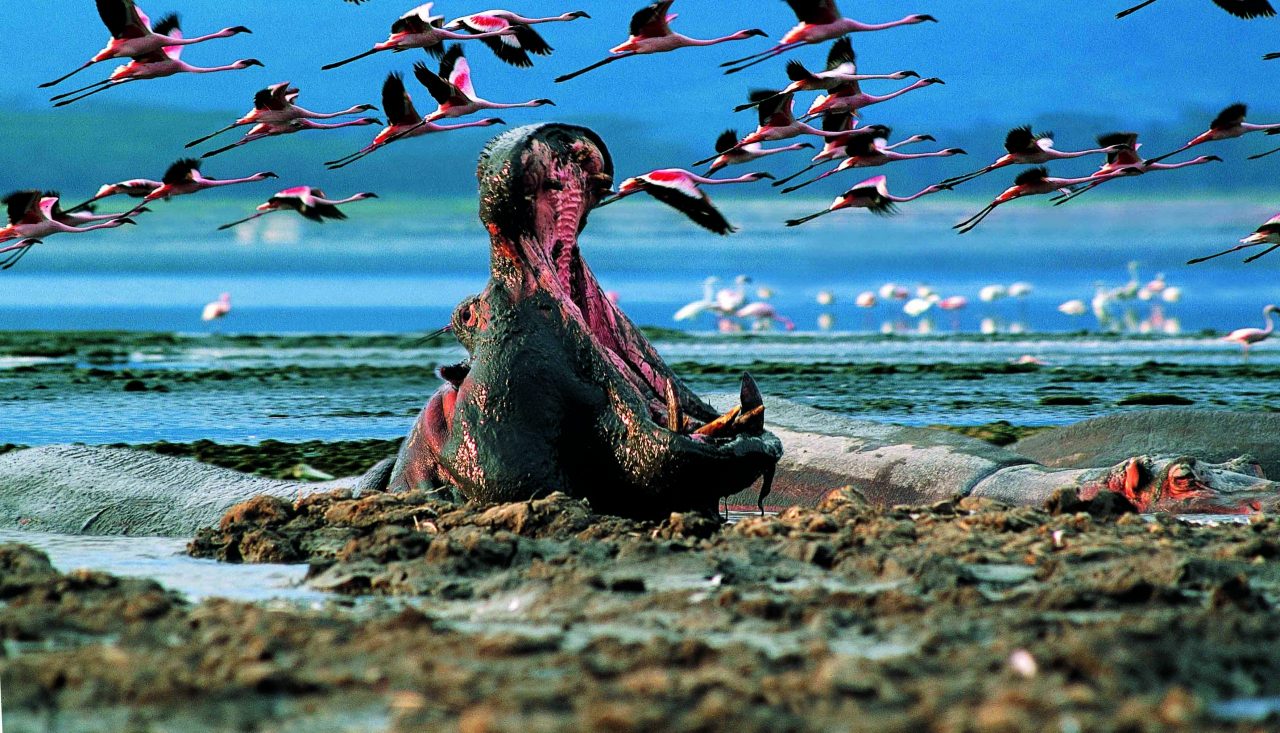
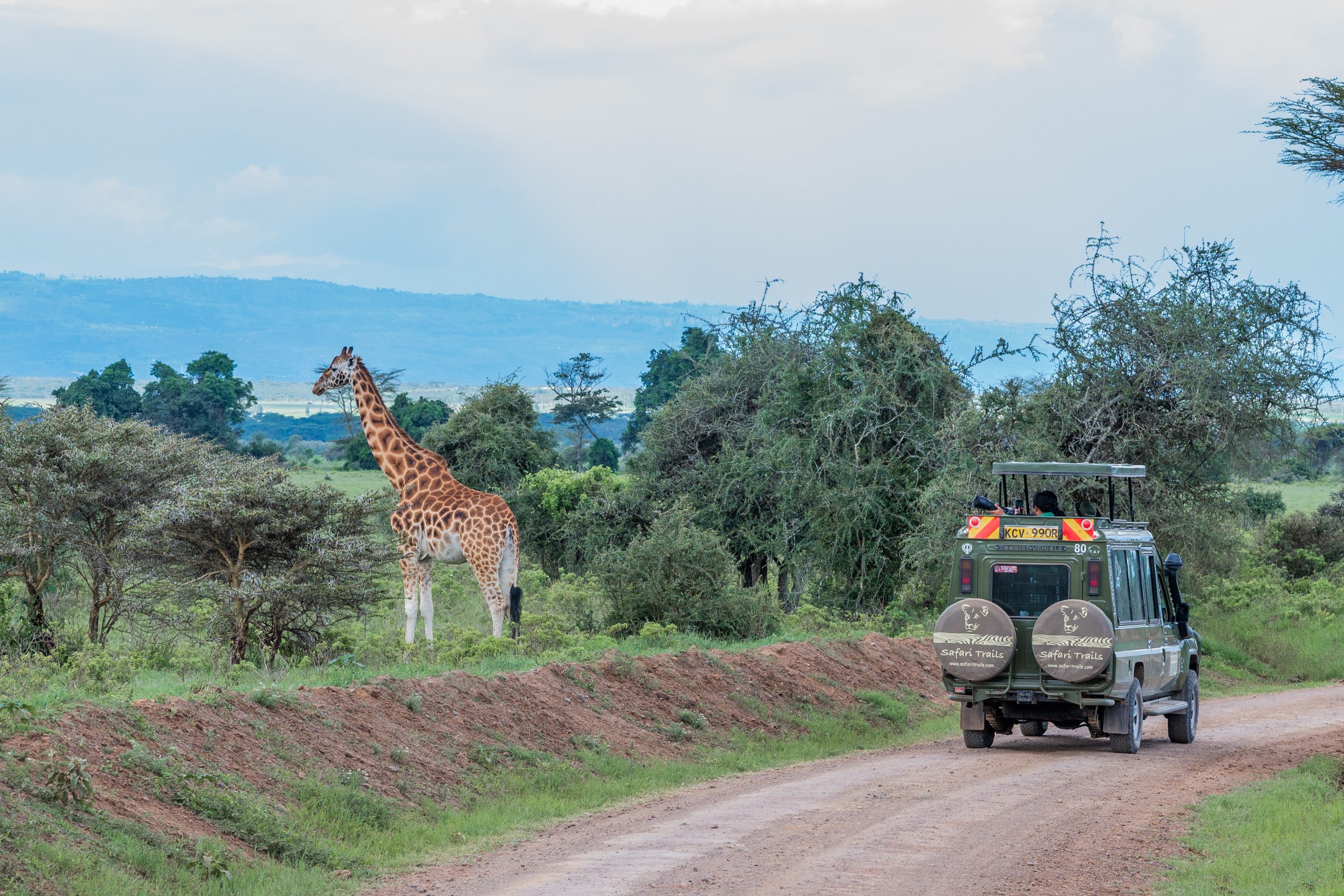
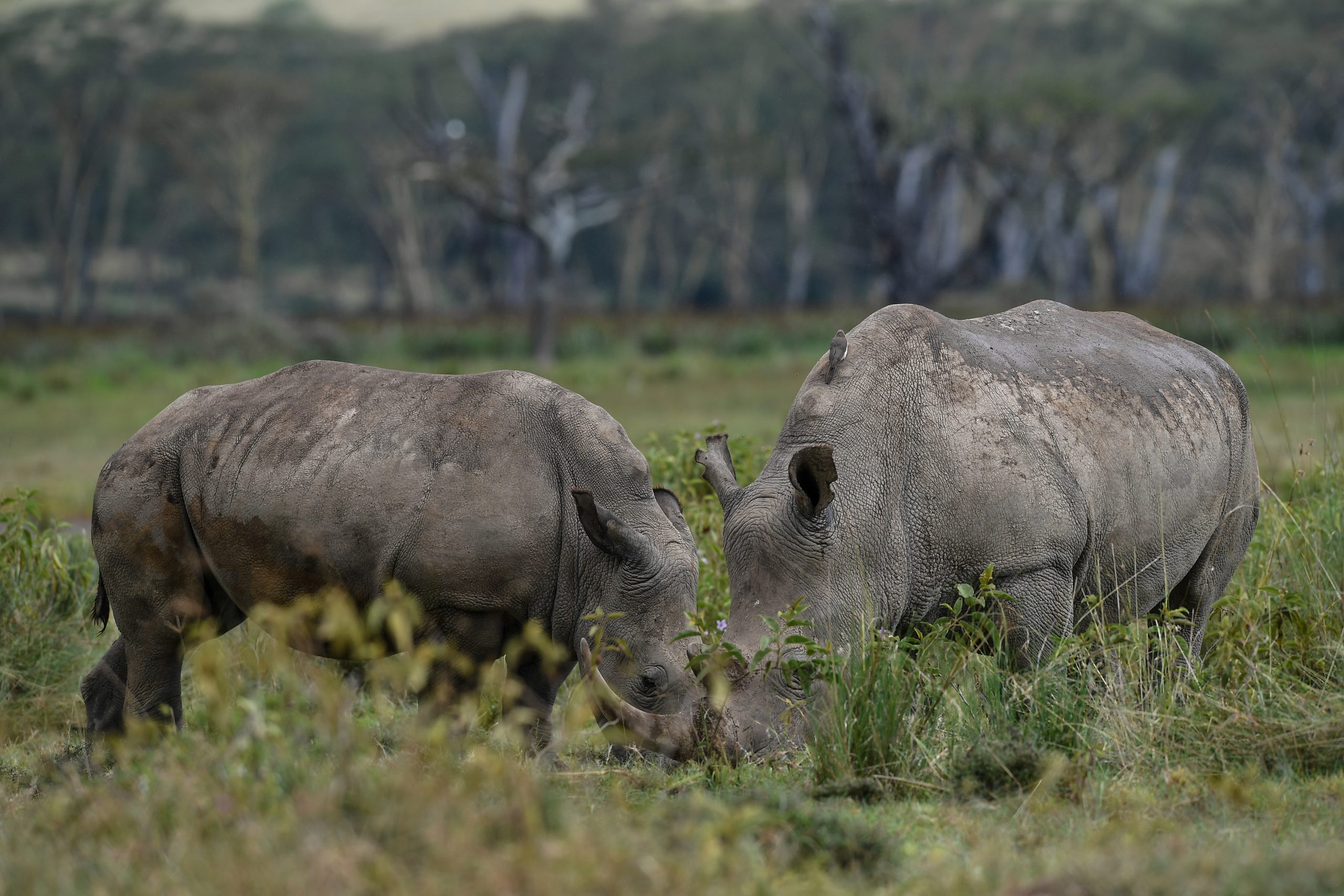
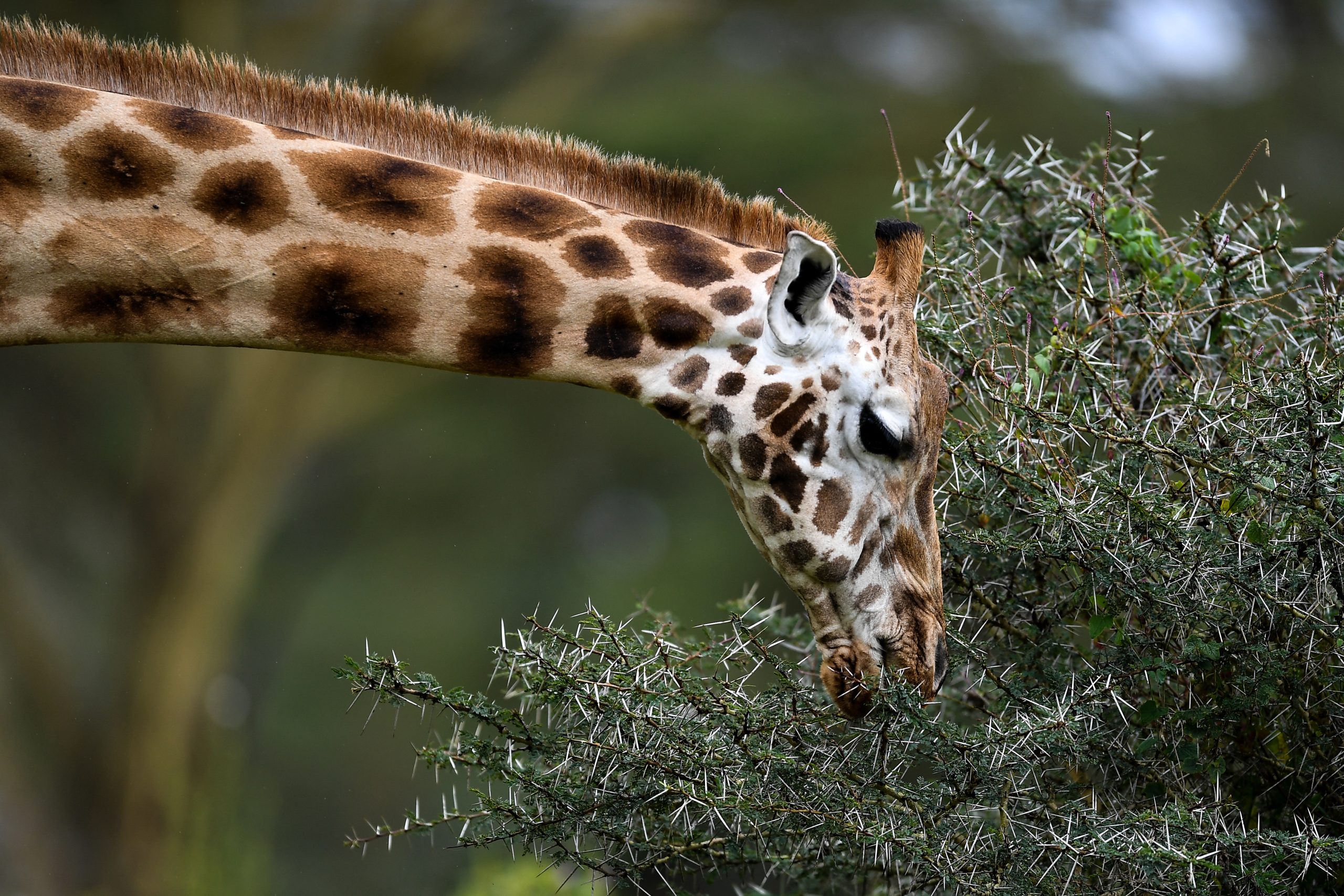
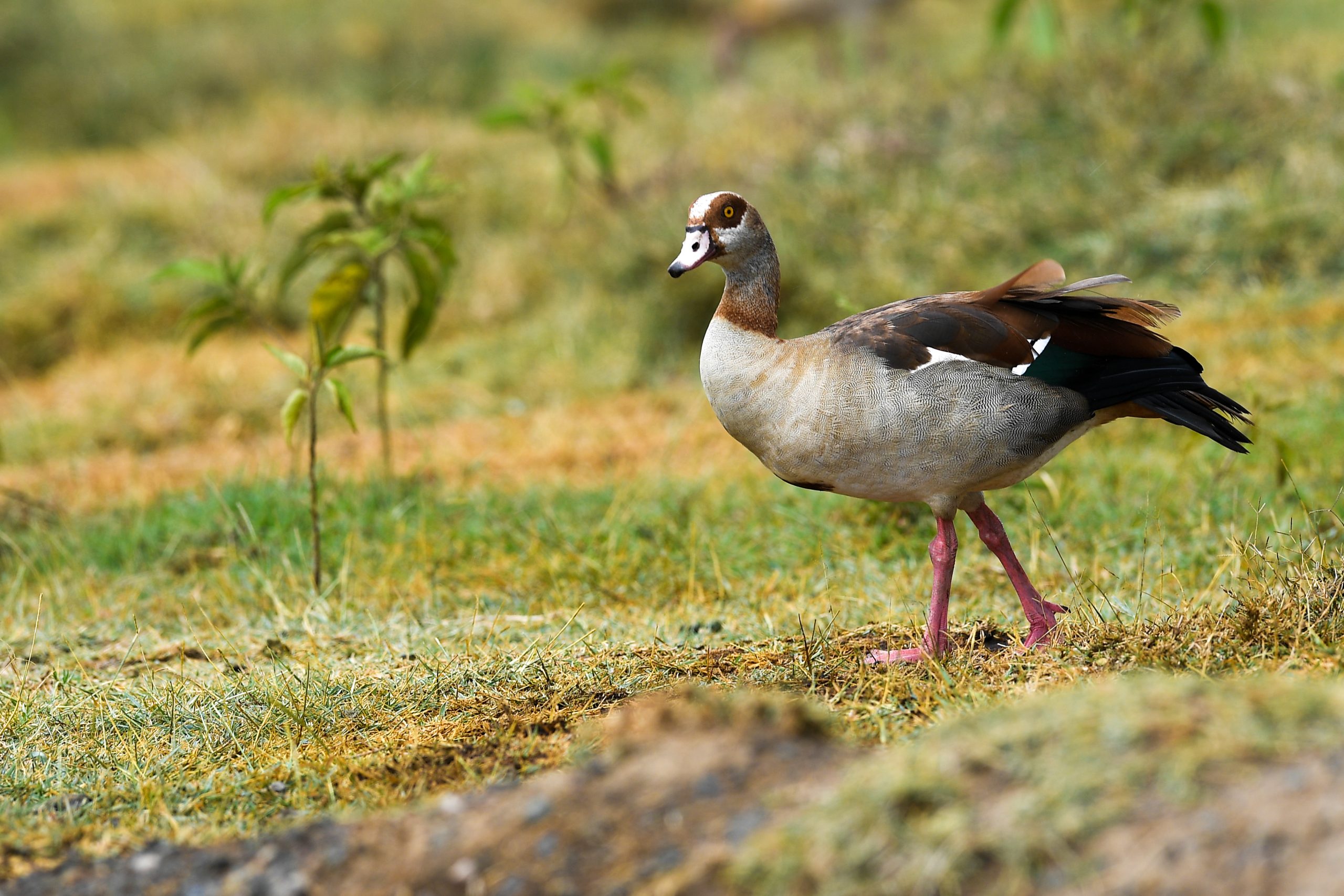
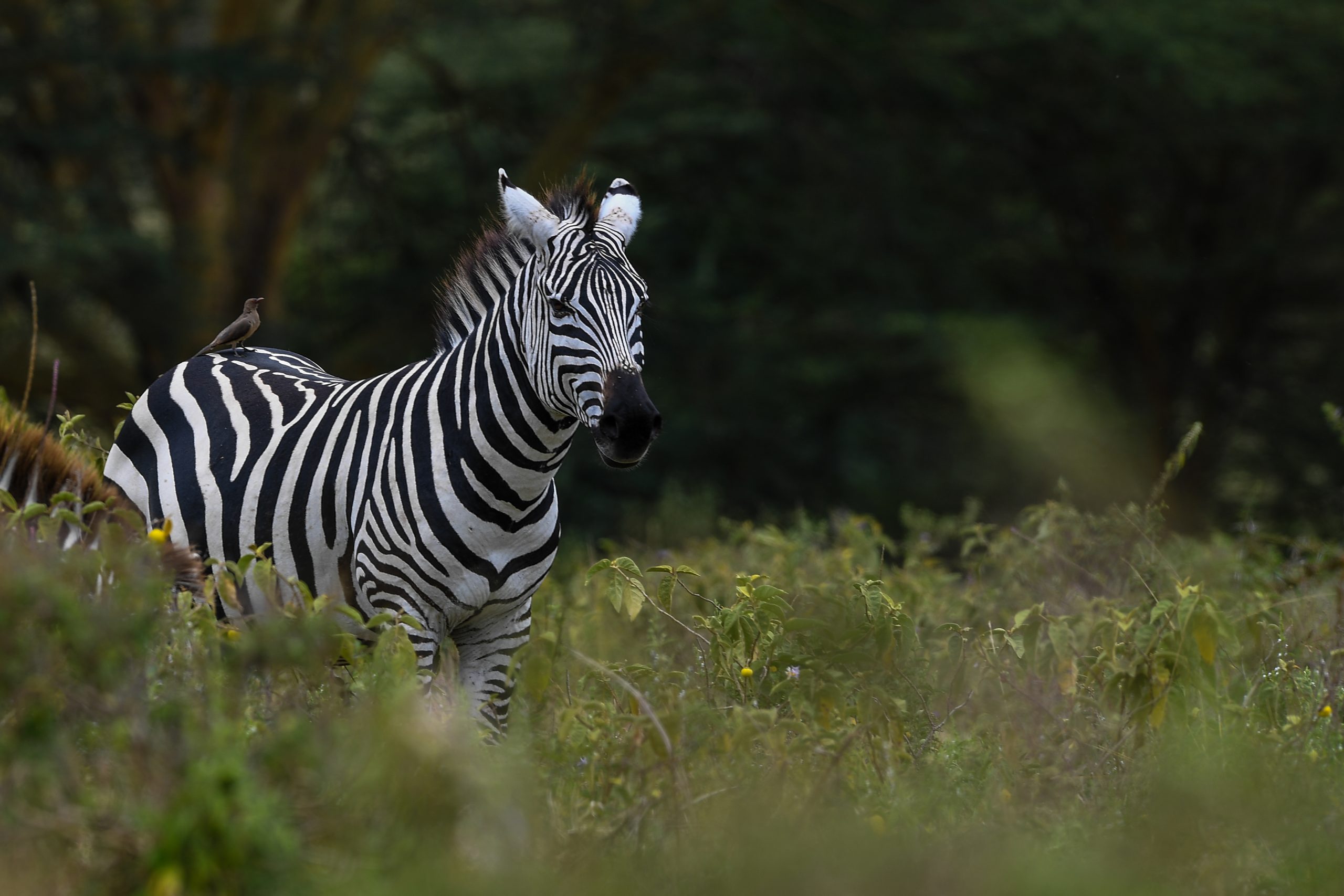
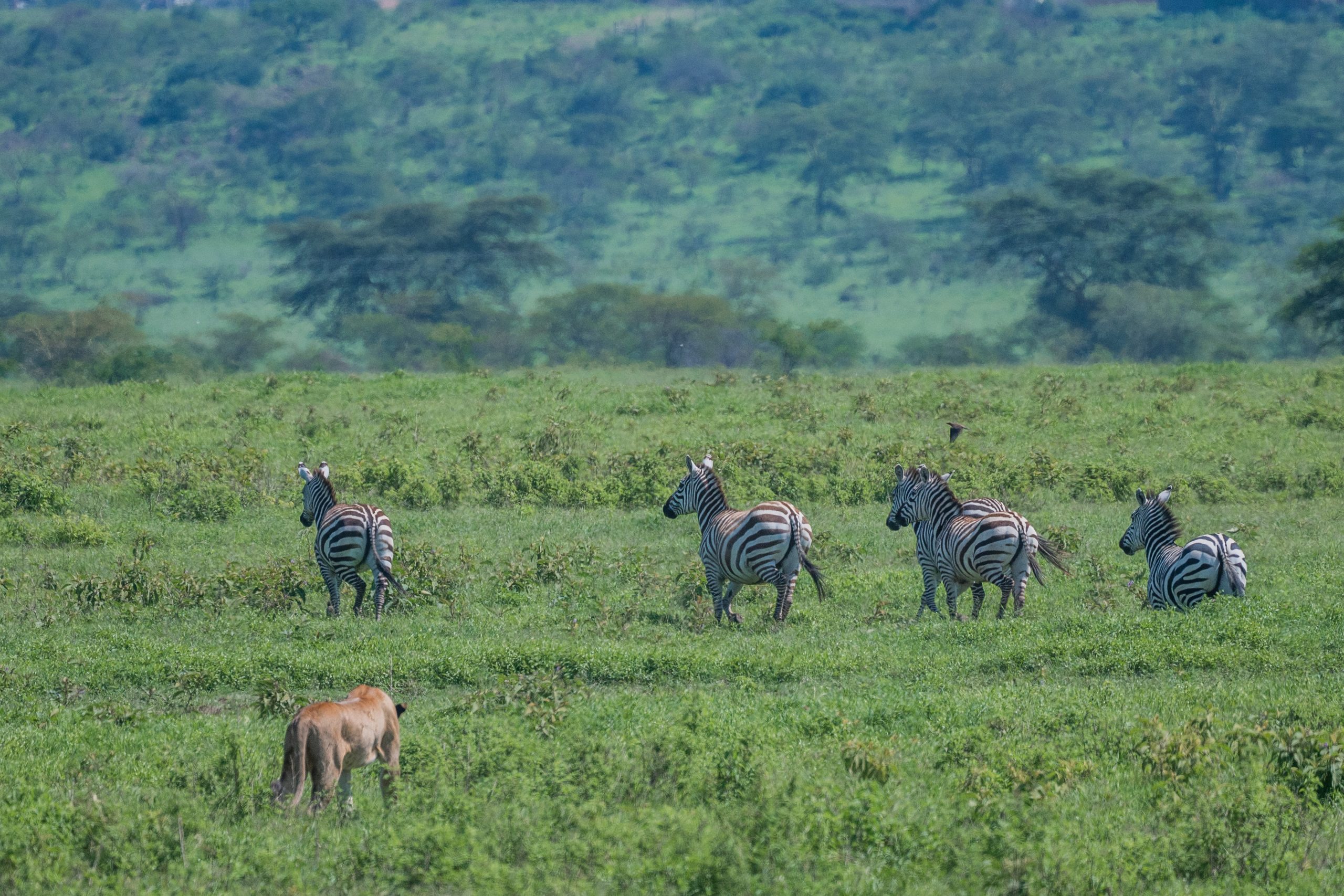
Renowned as a birdwatcher’s paradise, the park supports an exceptional diversity of birdlife drawn to its lake and surrounding habitats, while its varied ecosystems sustain a wide range of wildlife. Lake Nakuru is a uniquely rewarding safari destination and a flagship sanctuary for both endangered black and white rhinos, offering memorable wildlife encounters within a scenic setting.
The park’s dramatic scenery, abundant wildlife, and ever-changing light make it a favorite location for visual storytelling, photography, and filmmaking. Its accessible terrain also lends itself to outdoor experiences such as game drives, social events, and active exploration—allowing visitors to enjoy wildlife safaris, scenic landscapes, and outdoor recreation all in one iconic destination.
Important Information
Explore the unique attractions and highlights of this park that make every visit truly special.
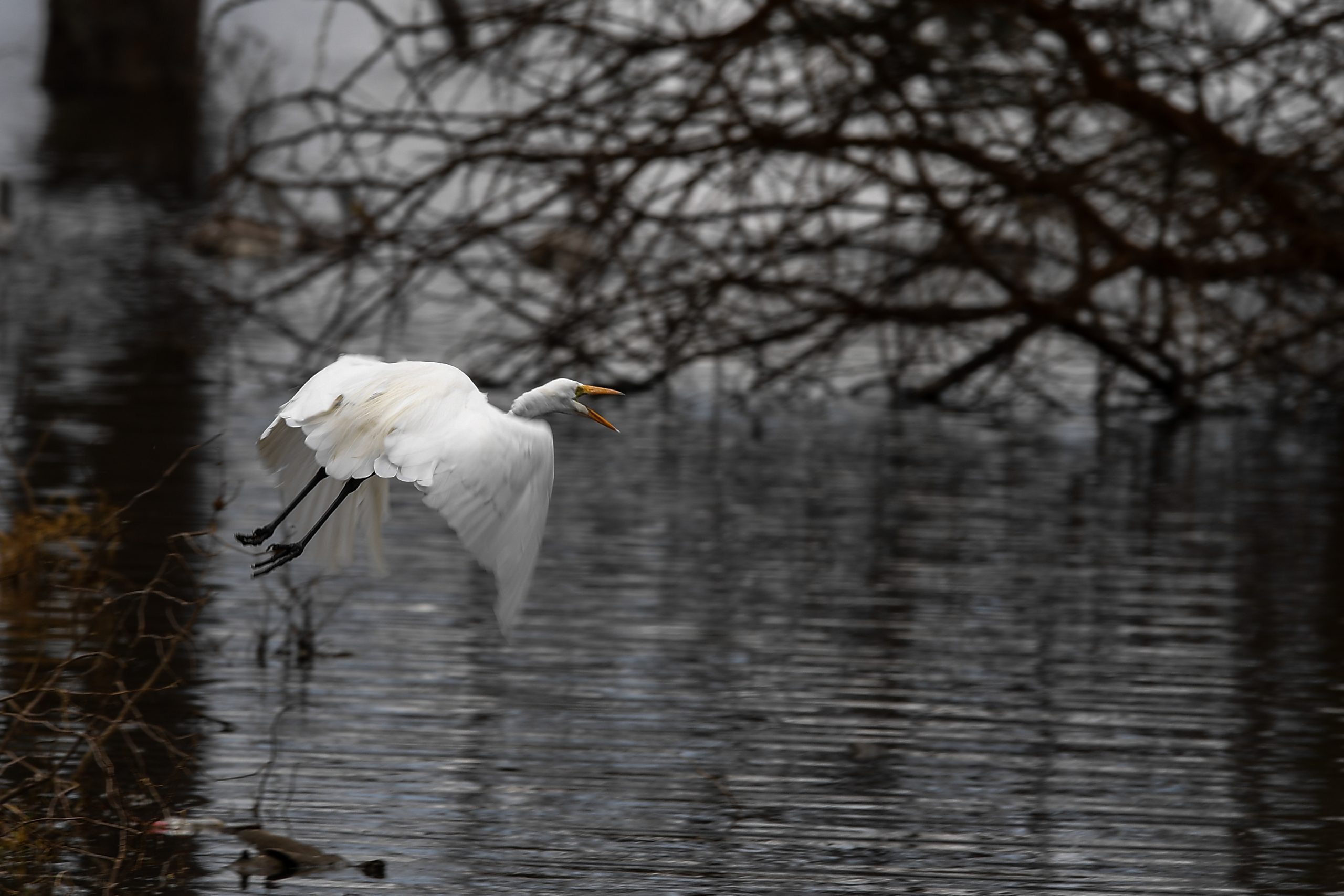
- An ornithological paradise hosting approximately 450 bird species.
- Scenic viewpoints and picnic sites
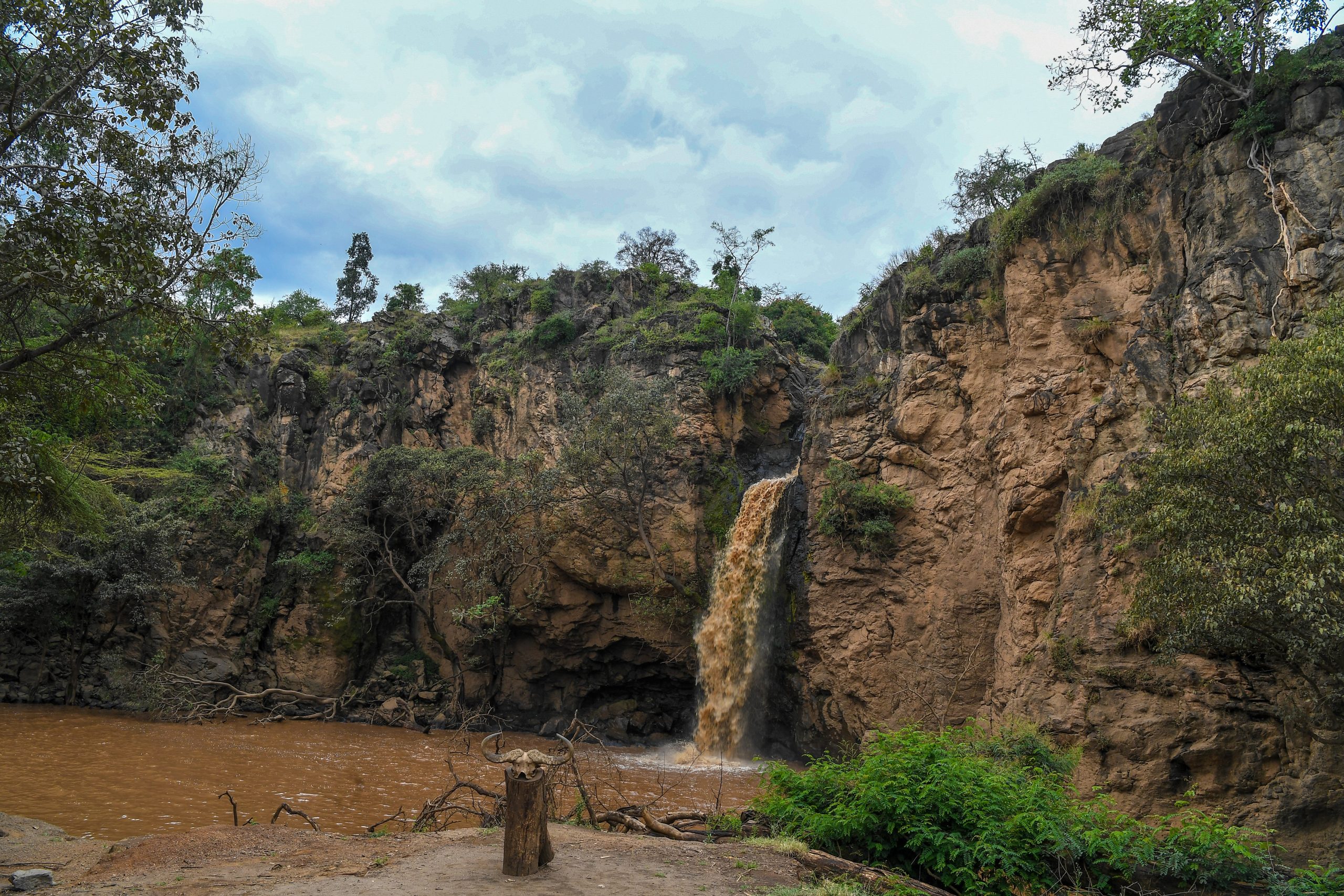
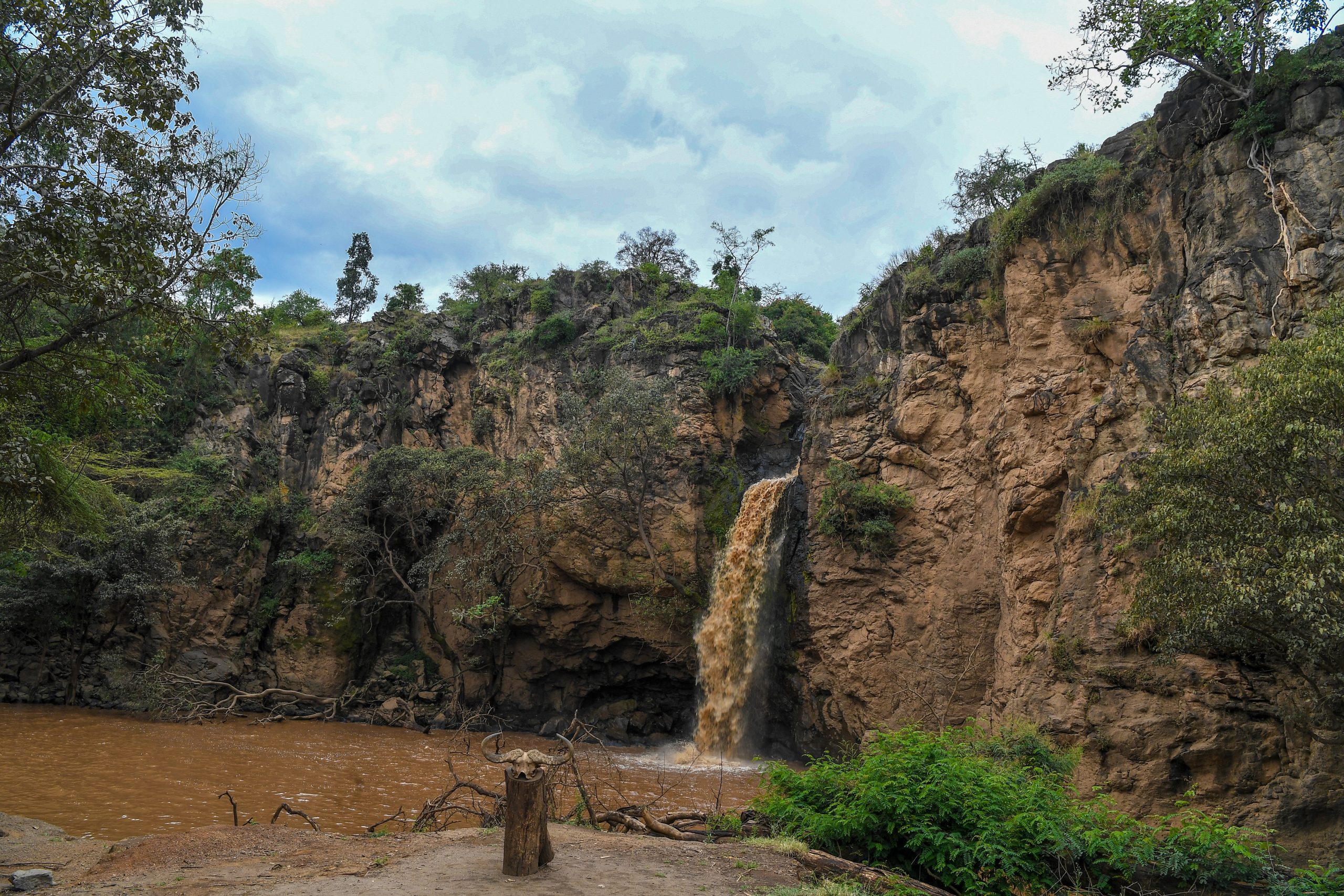
- Makalia Waterfalls
- Kenya’s first rhino sanctuary, supporting one of the country’s largest populations of black rhinos, and white rhinos
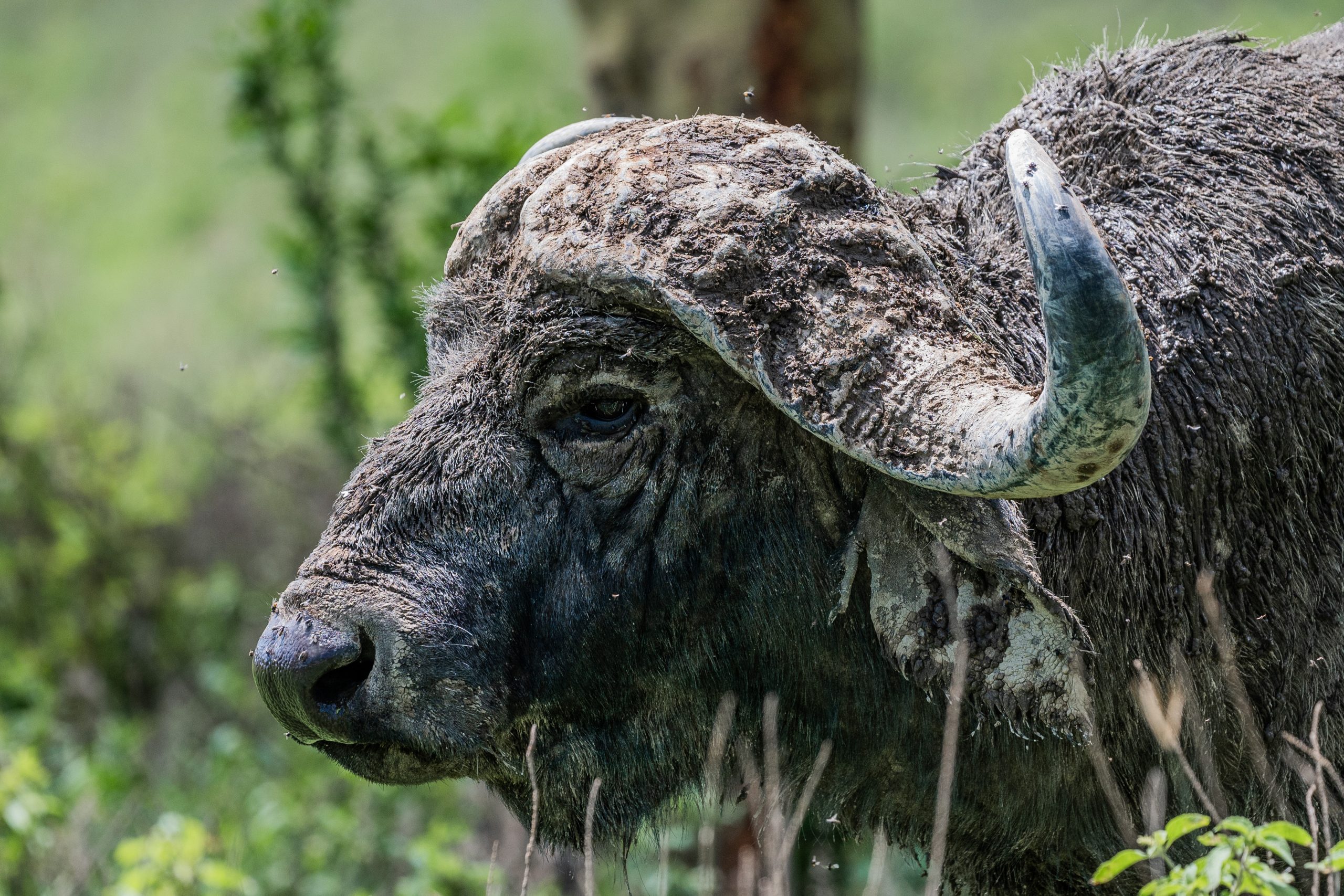
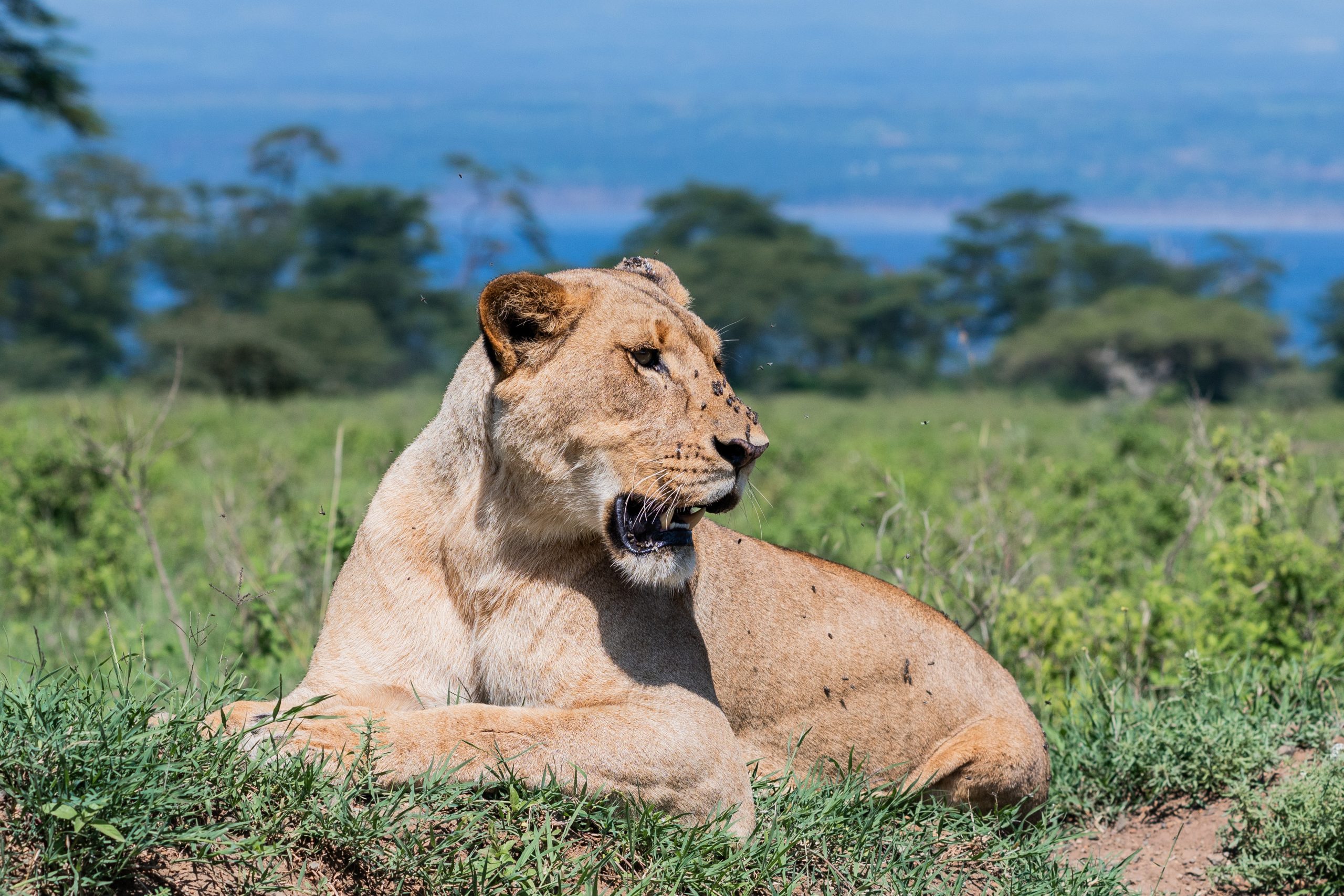
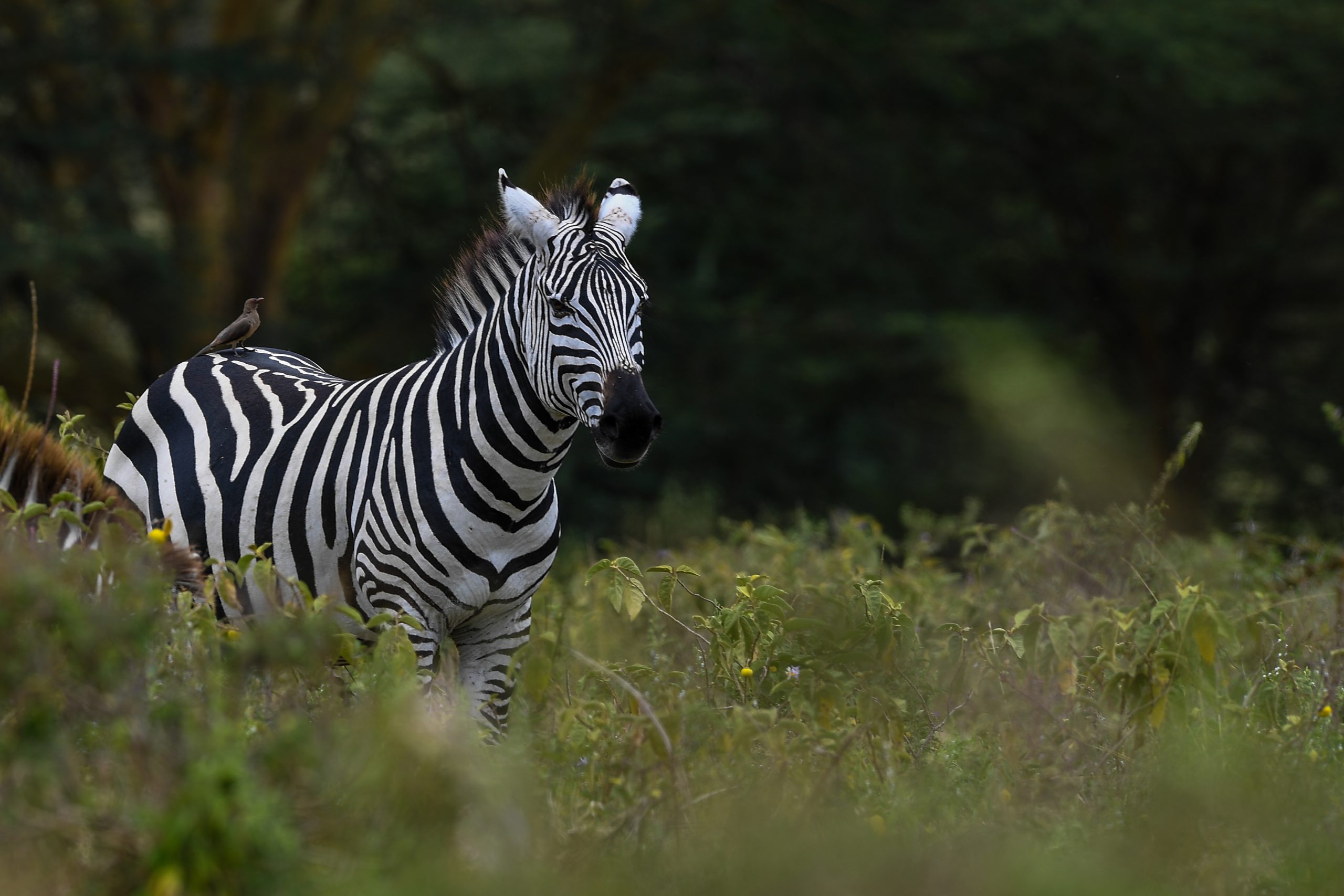
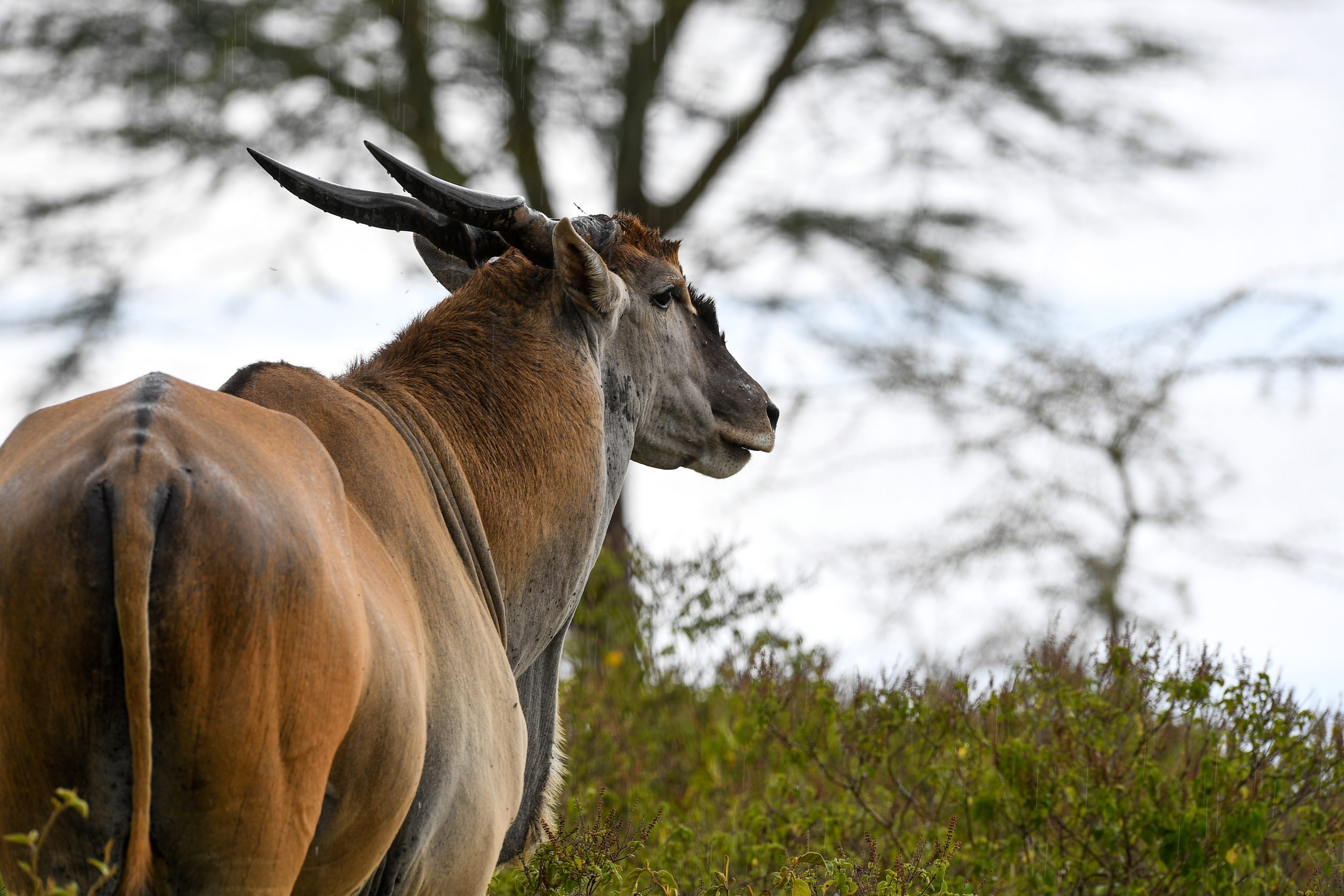
- Diverse Wildlife
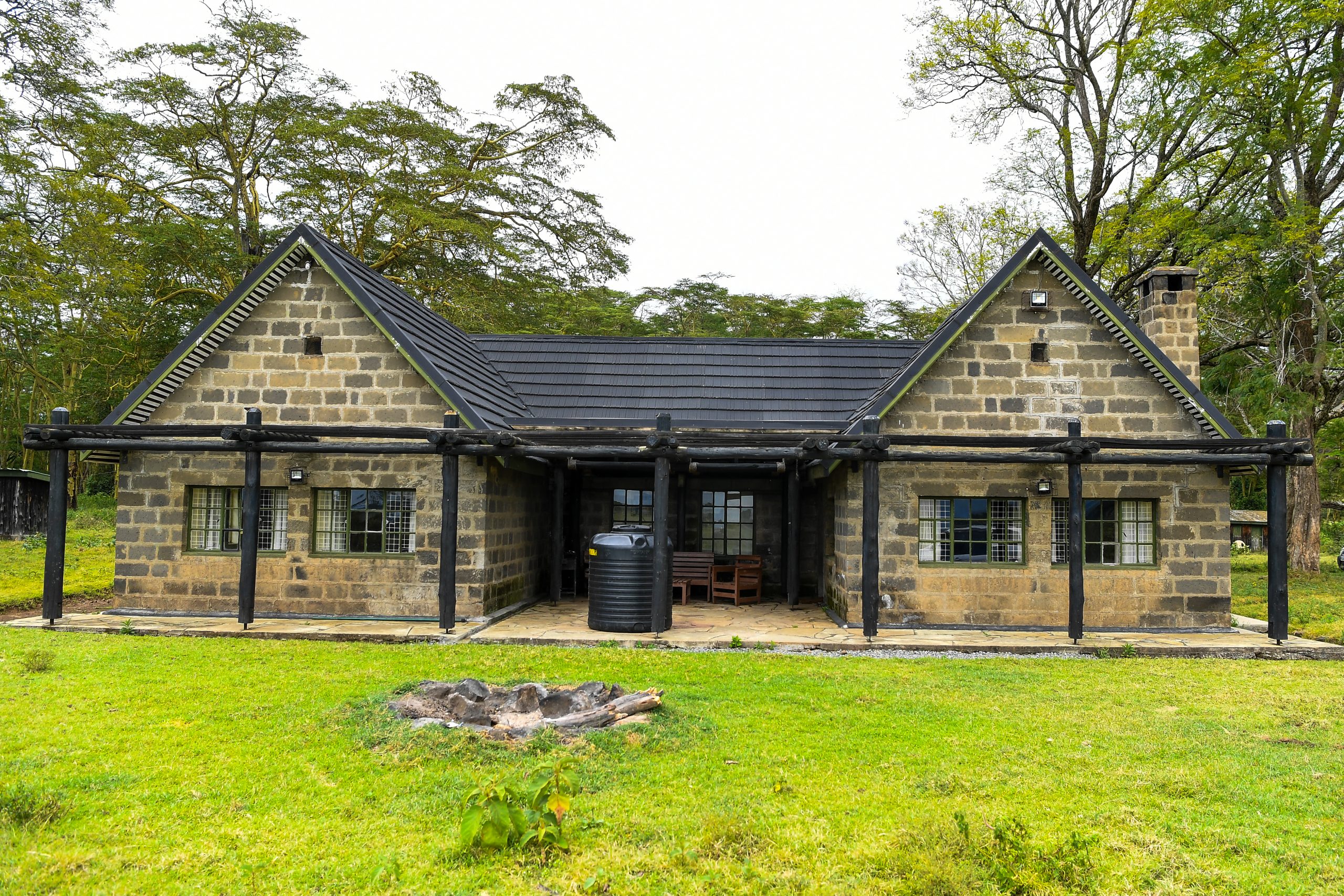
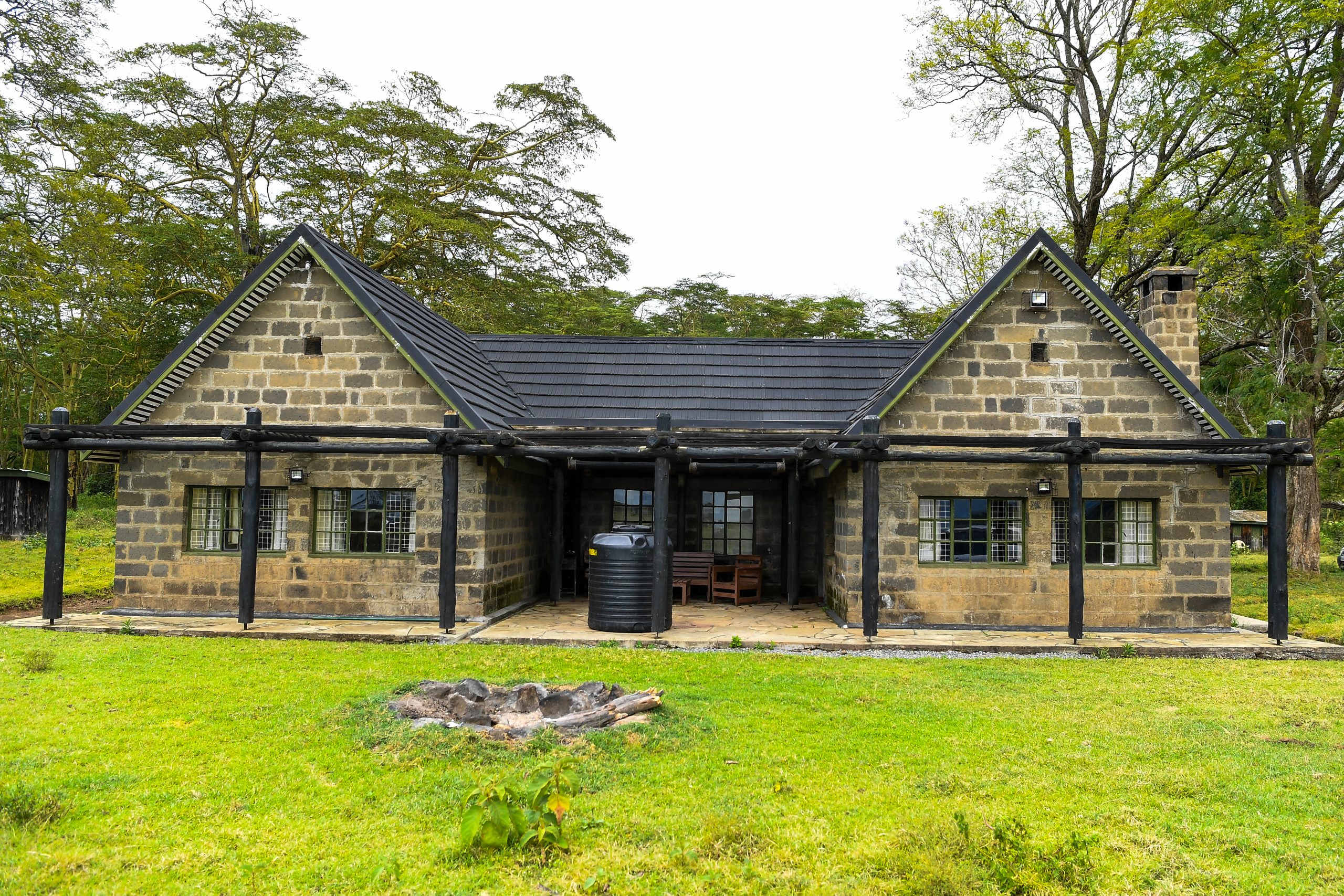
Mbugani Homes
Public Campsites:
- Makalia
Special Campsites:
- Reedbuck
- Naishi
- Rhino
- Chui
- Soysambu
- Kambi Nyuki
- Kambi Nyati
PRIVATELY OWNED HOTELS & LODGES
Formal conservation efforts at Lake Nakuru began in 1961, when the southern tip of the lake was designated a bird sanctuary to protect its globally significant populations of flamingos and other waterbirds. In 1964, the sanctuary was extended to cover the entire lake and a narrow strip of surrounding land in recognition of its broader ecological importance.
In 1968, Lake Nakuru and its immediate shoreline, covering approximately 6,000 hectares, were officially gazetted as Lake Nakuru National Park. Continued conservation commitment led to a major expansion of the park in 1974, when additional land was acquired with support from the World Wide Fund for Nature (WWF), increasing the park to its current size of 188 km². This expansion incorporated a diversity of habitats including grasslands, acacia woodlands, rocky escarpments, and hill systems, transforming the park into a multi-ecosystem conservation landscape.
To enhance protection and mitigate human–wildlife conflict, an electric perimeter fence was constructed in 1986, representing a landmark conservation intervention in Kenya at the time.
In 1987, Lake Nakuru National Park was designated Kenya’s first government-managed Rhino Sanctuary, playing a critical role in the recovery and long-term protection of both Black Rhino and White Rhino populations, alongside other threatened large mammals.
By Road: The park is located 156 km north west of Nairobi on the main A104 road. The park is readily accessible from the main Nairobi – Nakuru highway at Lanet Gate, Nderit Gate and the Main Gate 4 km from Nakuru City.
By Air: Naishi airstrip located just next to Naishi Guest House is serviceable.
- Drinking water
- Food
- Camping equipment
Also important;repellent
- Camera,
- Binoculars
- Sunscreen
- Insect repellent
- First aid kit,
- Sunglasses
Your safety matters. Please review our essential guidelines to help ensure a safe, enjoyable experience for you and for the wildlife.
- You are in the wildlife’s home. Please respect their privacy and right of way.
-
National parks are plastic-free. Single-use plastic is prohibited.
-
General road rules apply. Car hooting or driving under the influence of alcohol are strictly prohibited.
-
Adhere to park entry and exit times. Gates open at 6:00 AM and close at 6:00 PM, unless you are spending overnight.
-
Move slowly and quietly. Animals can react dangerously if startled.
-
Noise distracts wildlife. Use mobile phones and sound devices sparingly and only in designated areas.
-
Remain in your vehicle unless in designated areas. Keep doors closed at all times.
-
Observe the maximum speed limit of 40 km/h (25 mph). Speeding attracts penalties.
-
Stay on established roads and trails. Off-road driving is strictly prohibited.
-
View wildlife from a minimum distance of 20 meters.
-
Feeding wildlife is prohibited, as it disrupts their diet and leads to human dependency.
-
Carry out all trash to help keep the park clean.
-
Do not leave campfires unattended while camping.
-
Visitors enter the park at their own risk and Terms and conditions apply.
Hotline: 0728355267
Toll Free: 0800 597 000
Email: customerservice@kws.go.ke
WhatsApp: +254 (0) 726 610509
Lake Nakuru National Park Rates
- East Africa Citizen: Individuals holding Kenyan nationality
- Kenya Residents: Foreign nationals legally residing in Kenya.
- African Citizens: Africa nationals (excluding Kenya and EA countries)
-
Non-residents: Foreigners visiting on a valid visa
East Africa Citizen Adult
KES. 1,500
East Africa Citizen Child
KES. 750
Kenya
Resident Adult
KES. 2,025
Kenya
Resident Child
KES. 1,050
Non
Resident Adult
USD 90
Non
Resident Child
USD 45
Africa
Citizen Adult
USD 50
Africa
Citizen Child
USD 25
Lake Nakuru National Park Gallery