About Marsabit National Park
Rising dramatically from the arid northern landscape, Marsabit National Park is a lush montane oasis crowned by dense forests and three volcanic crater lakes that sustain a rich diversity of wildlife. The cool, forested highlands reveal breathtaking scenery, misty views, and a tranquil atmosphere ideal for adventure, wellness, and reflection in nature.
The park offers rewarding wildlife safari experiences, with habitats that support a variety of mammals, birds, and reptiles. Marsabit is especially renowned as a refuge for magnificent, large-tusked bull elephants and is forever linked to the legendary elephant Ahmed, who received round-the-clock protection under a presidential decree in the early 1970s. His legacy remains a powerful symbol of Kenya’s conservation history and cultural heritage, with a life-size model displayed at the National Museum of Kenya in Nairobi.
Marsabit’s remote location, expansive night skies, and minimal light pollution create exceptional conditions for astro-tourism and night wildlife safaris, while its unique landscapes, forest interiors, and crater lakes offer striking settings for visual storytelling, photography, and filmmaking. The park’s rugged terrain and serene environment also lend themselves to outdoor experiences such as hiking, endurance challenges, and social events—making Marsabit National Park a destination where wildlife, culture, adventure, and scenic beauty converge in one unforgettable northern wilderness.
Important Information
- Extinct volcanic craters locally known as gofs,
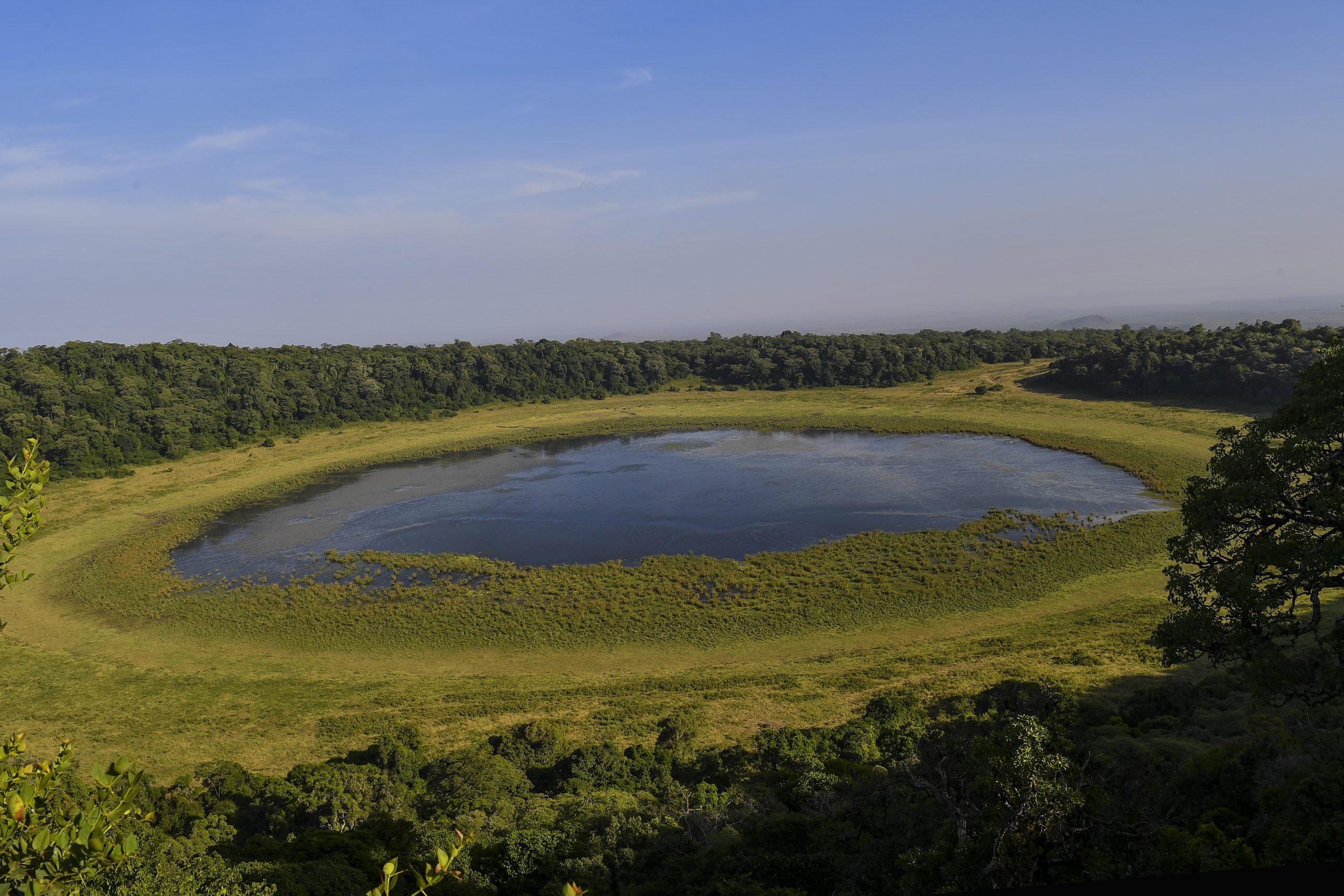
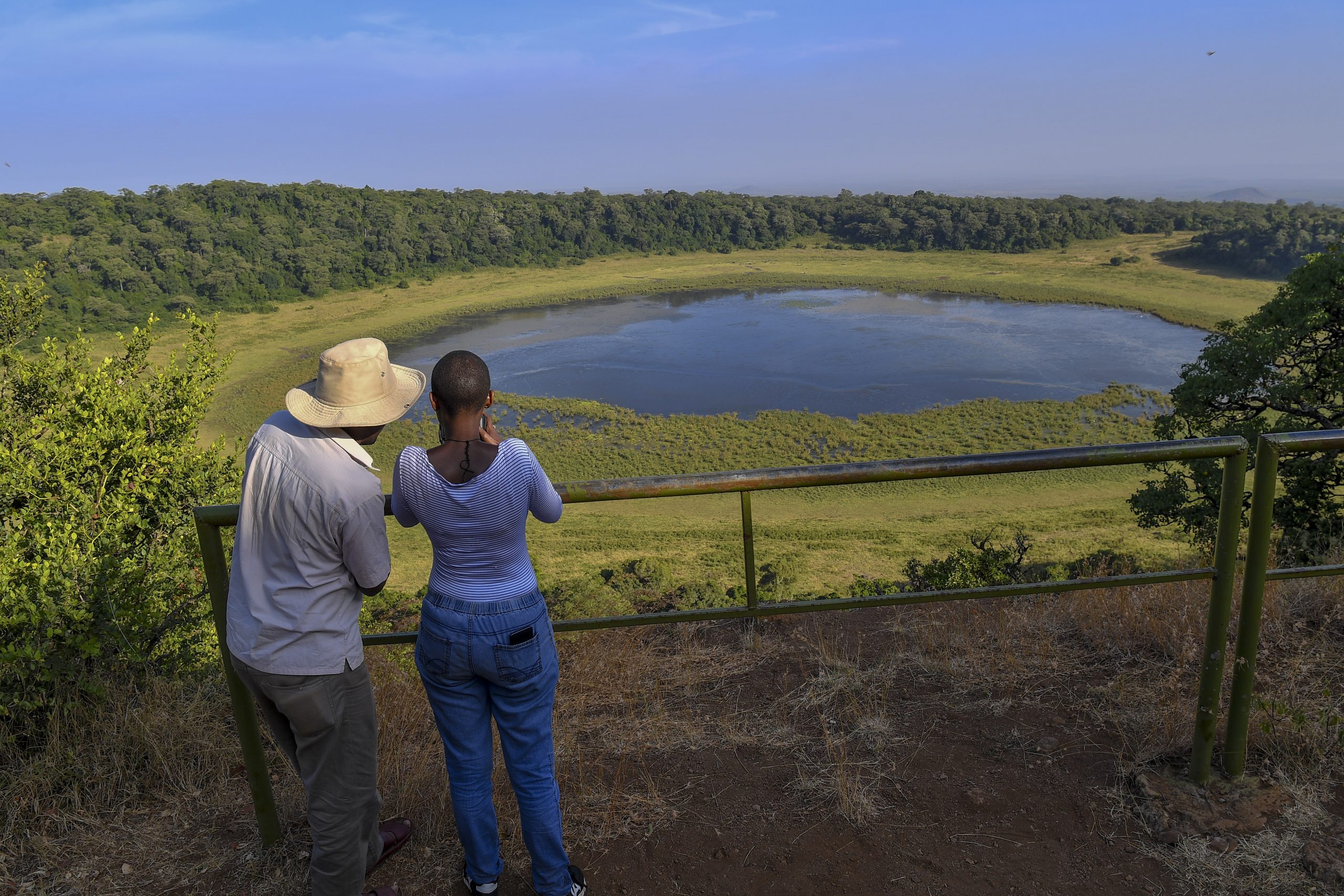
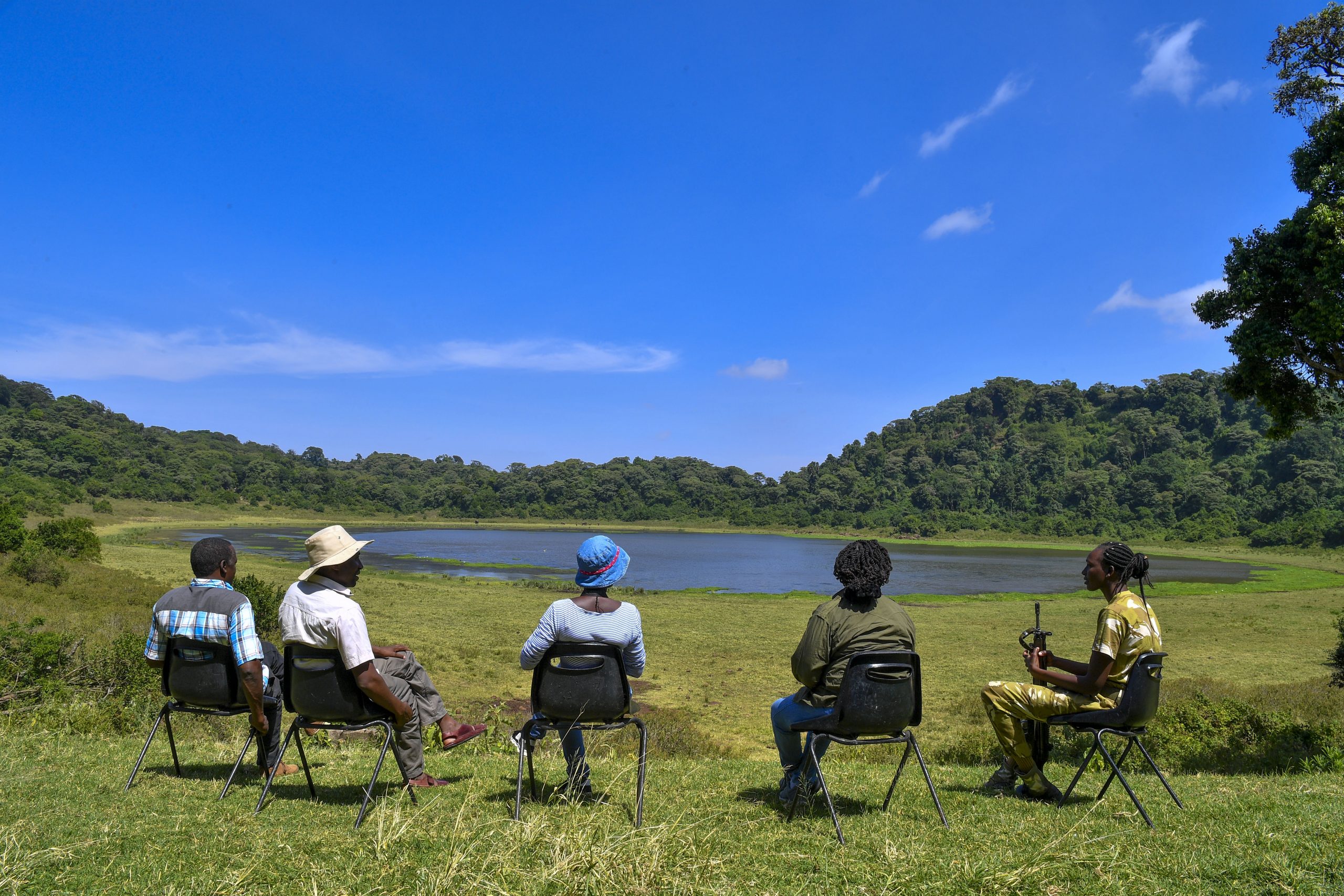
- Lake Paradise, the Park’s most scenic crater lake and a popular filming location
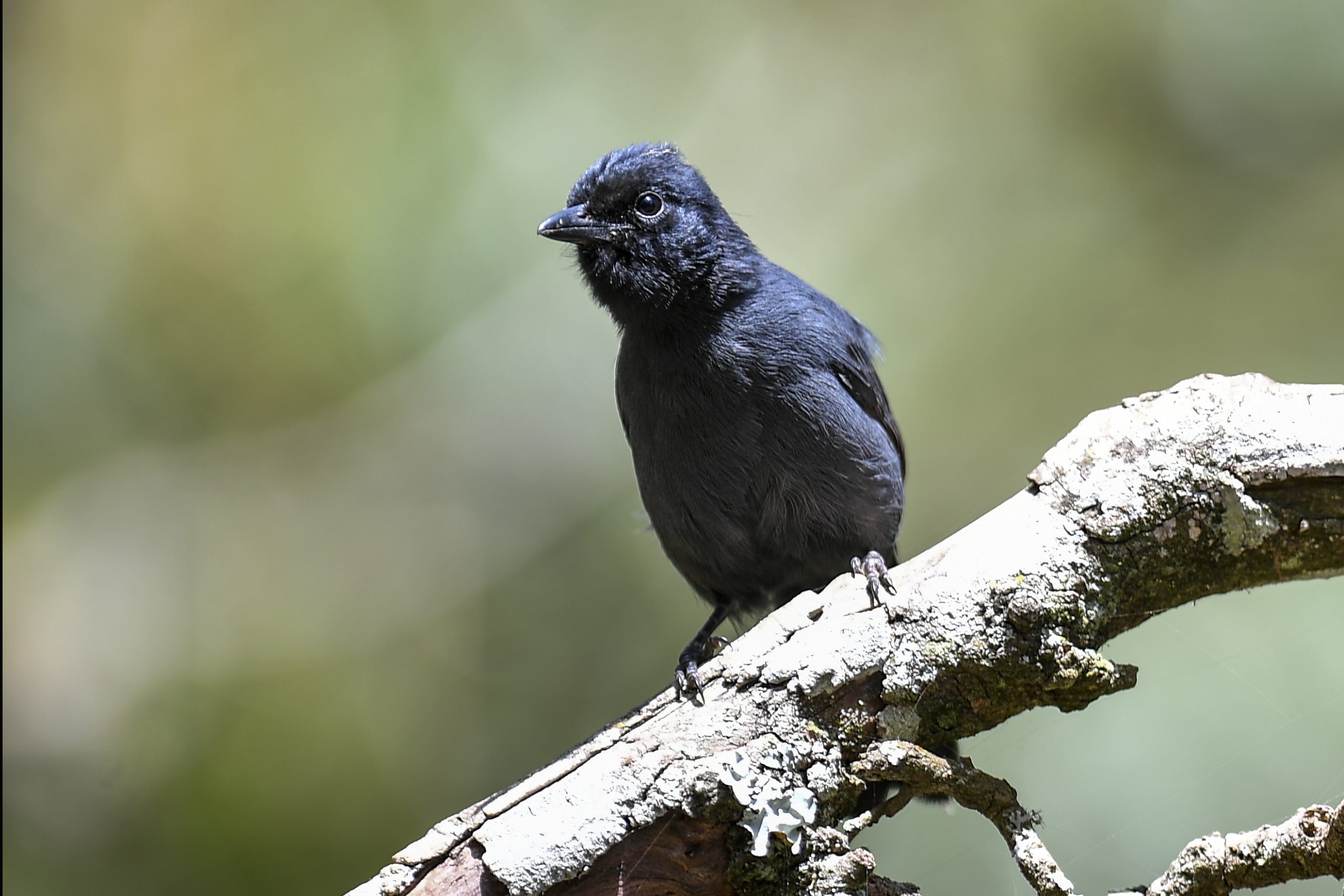
- Crater lakes that support rich and diverse birdlife
- Dense montane forest with a closed, mist-wreathed canopy ideal for forest walks and hiking
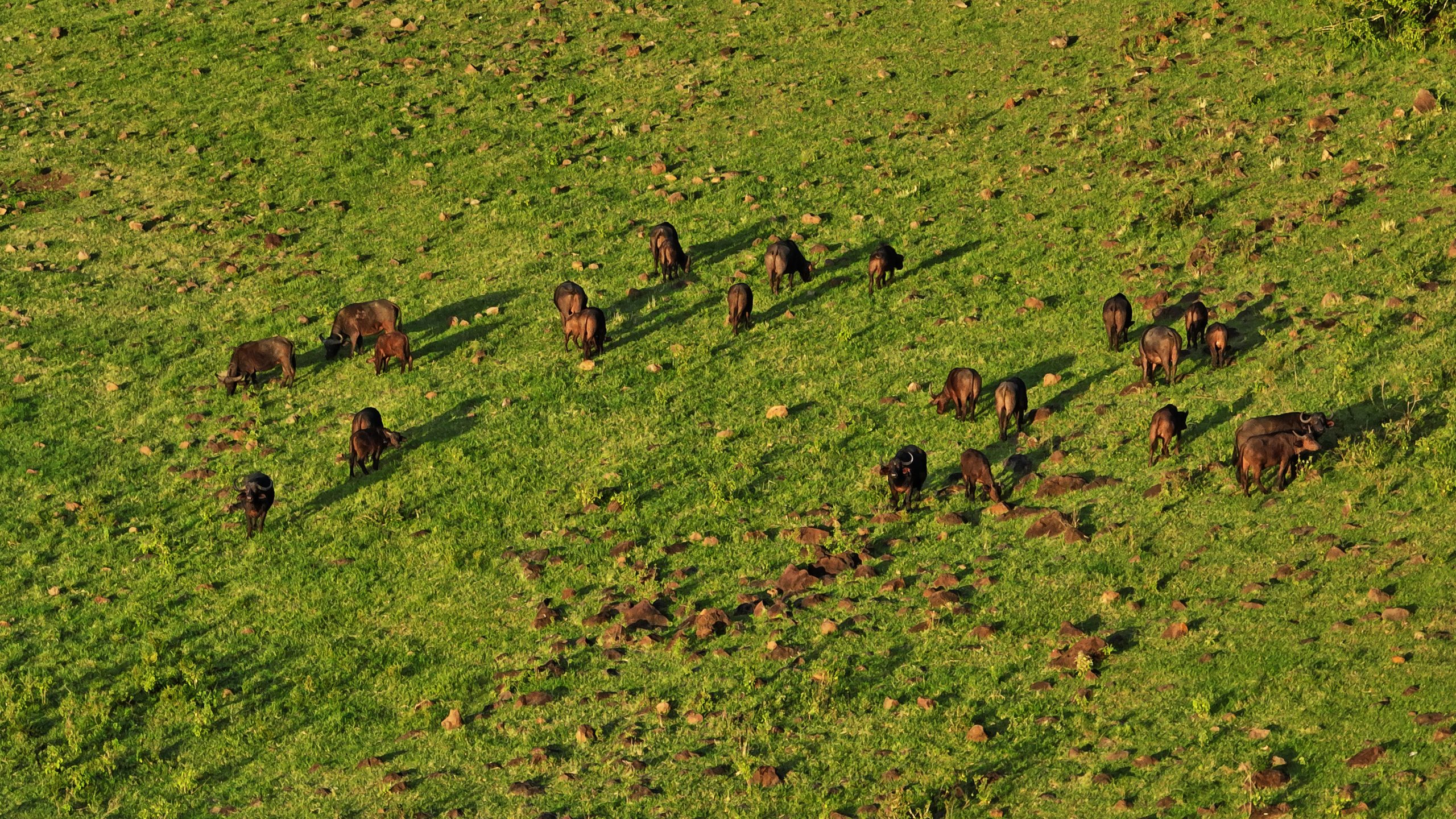
- Wildlife sightings including greater kudu, Grevy’s zebra, reticulated giraffe and leopard
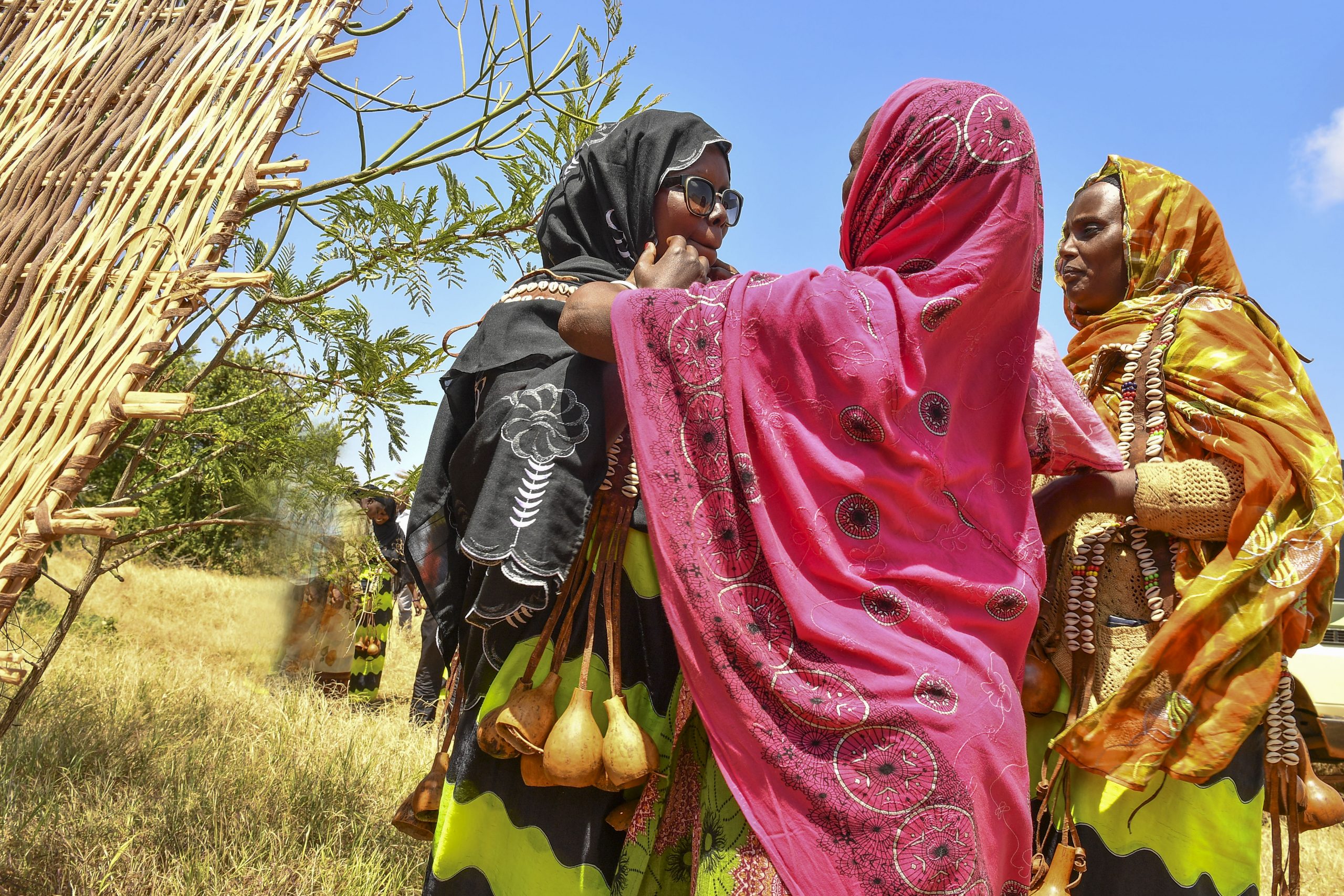
- Visits to traditional singing wells, offering unique cultural experiences
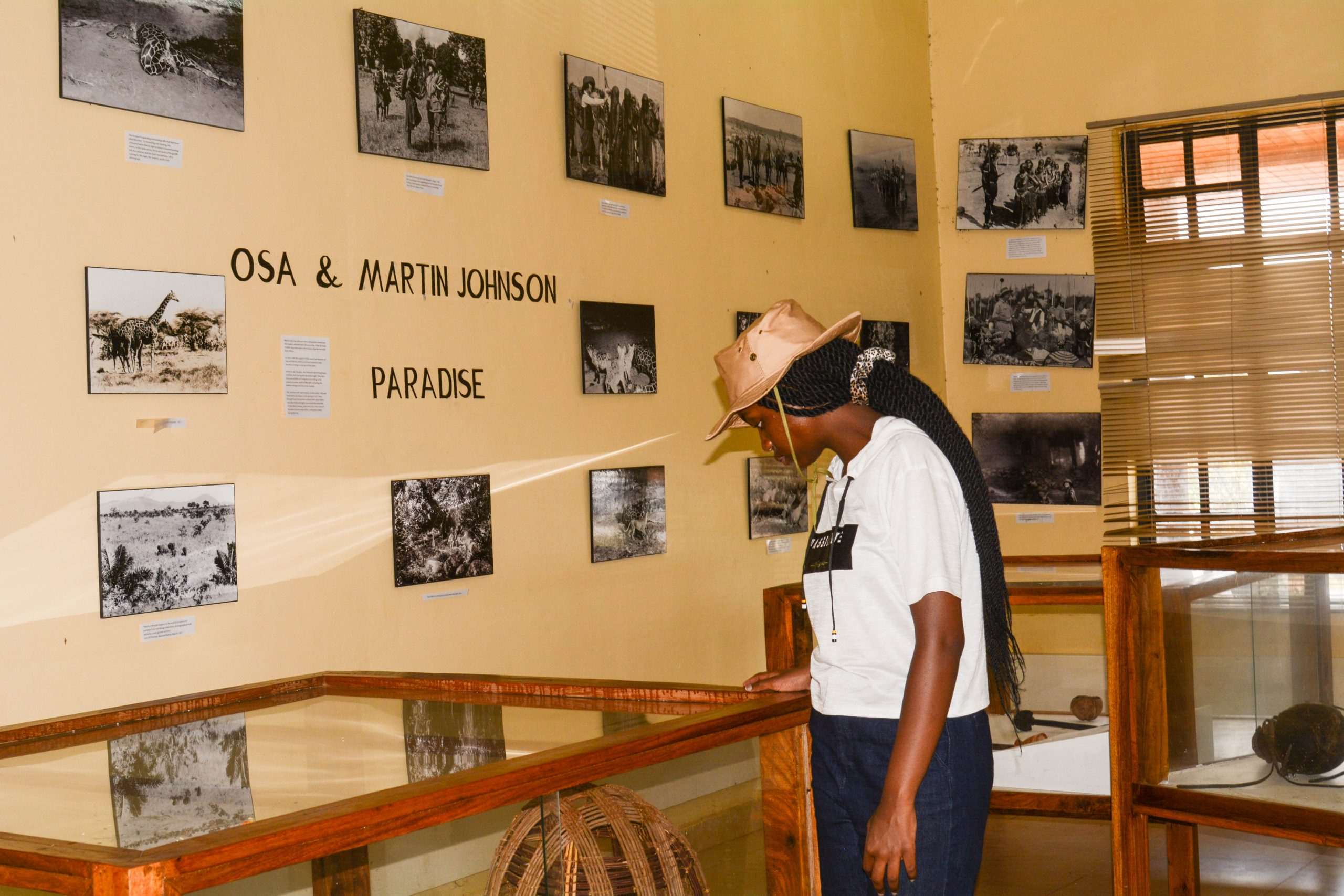
- Marsabit Cultural Museum; dedicated to preserving the rich history and traditions of the 14 diverse indigenous communities
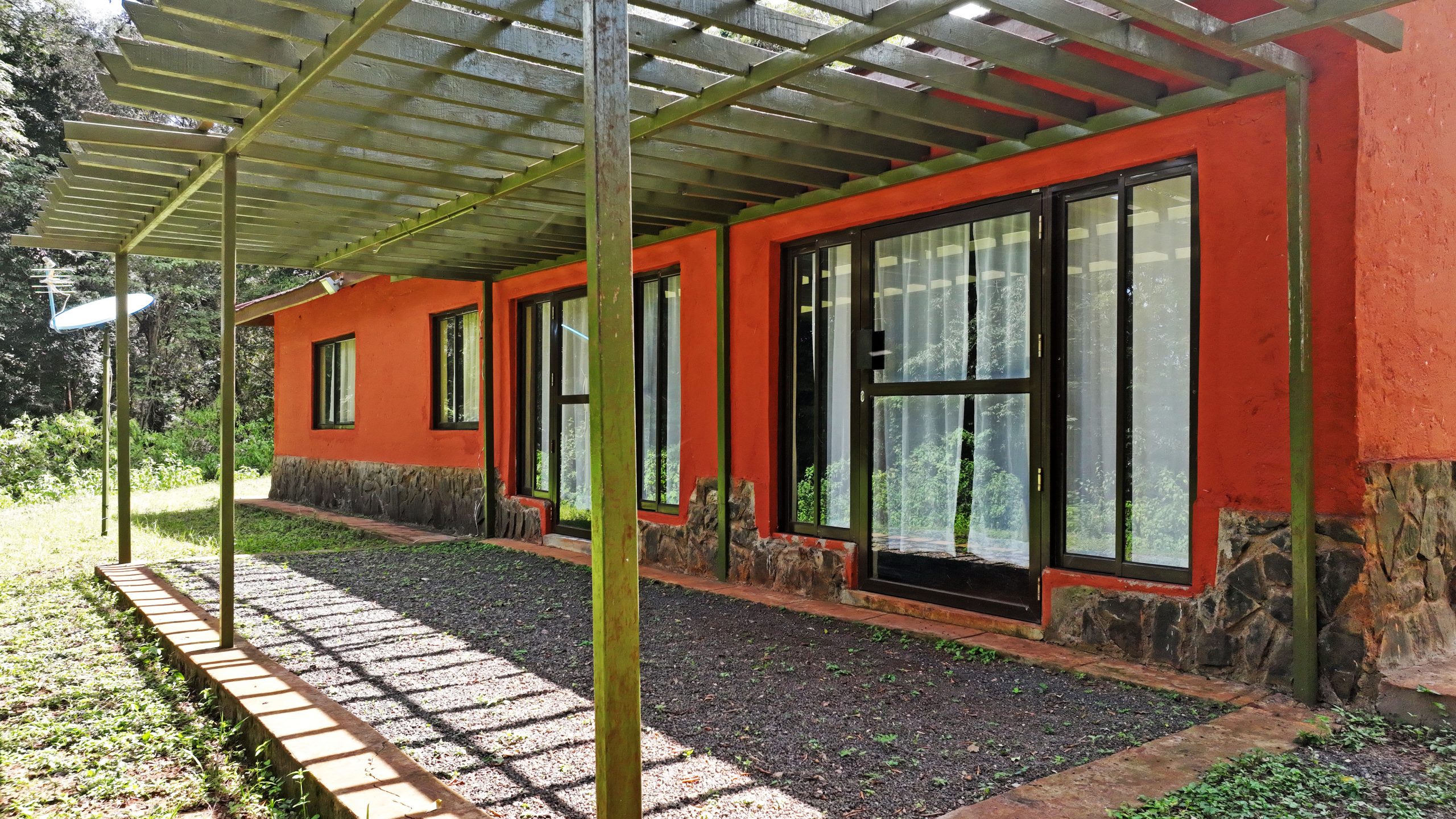
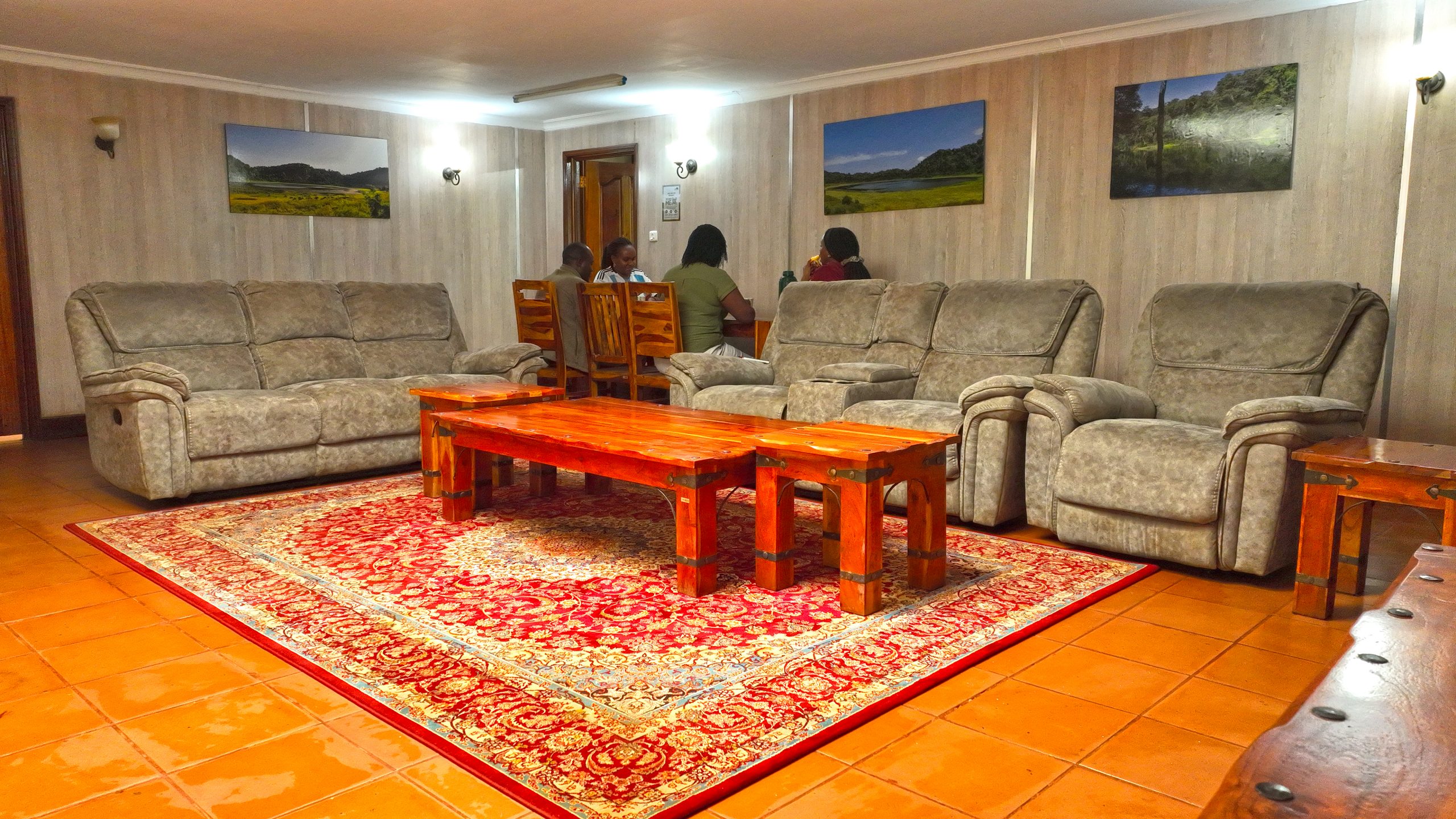
Mbugani Homes
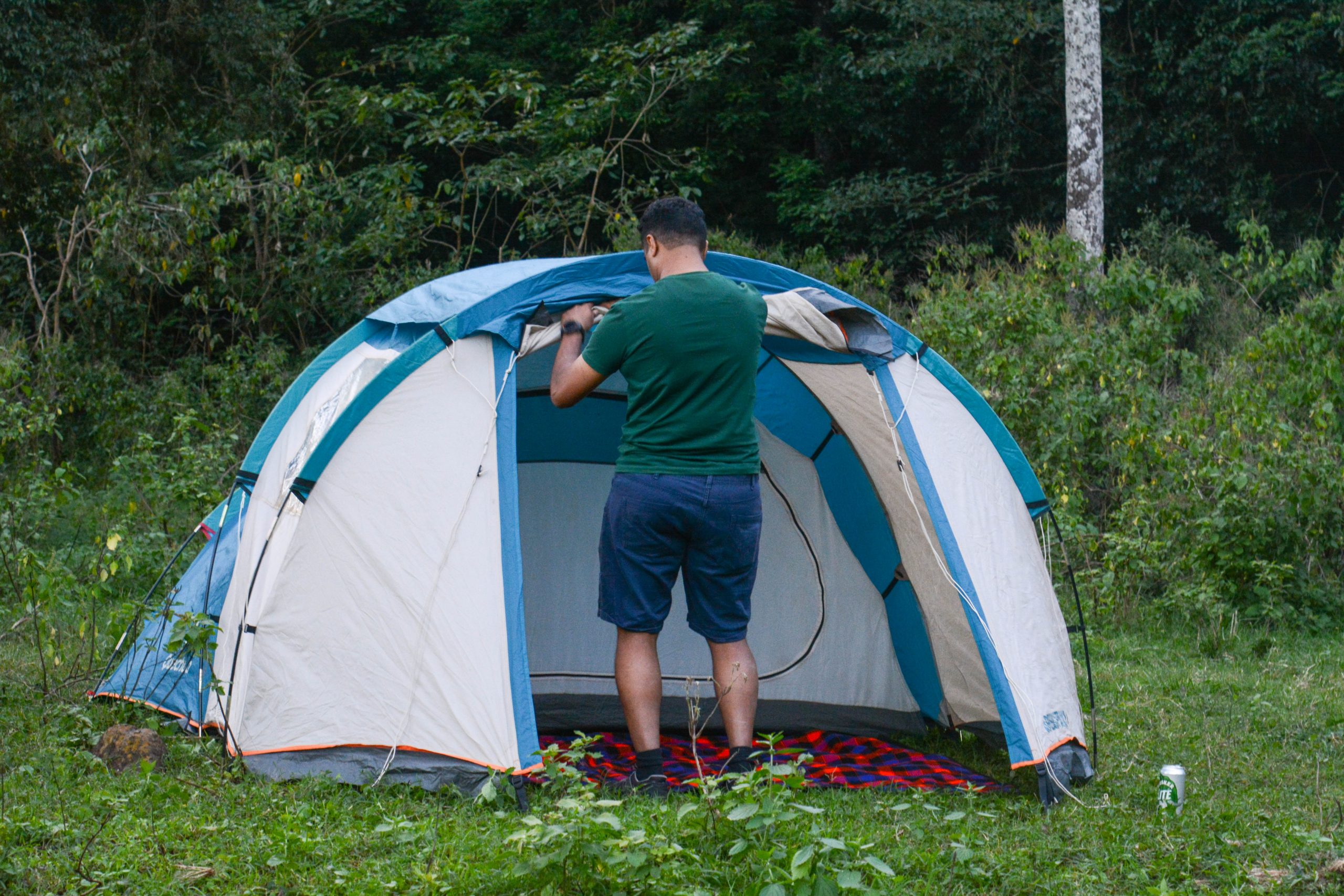
Public Campsites:
- Ahmed
- Abdul
Special Campsites:
- Lake Paradise
PRIVATELY OWNED HOTELS & LODGES
Marsabit National Park and Reserve was established to protect the unique ecological transition from arid lowlands to montane cloud forests atop Mount Marsabit, including its three ancient crater lakes. The park is historically significant for its wildlife conservation, notably the protection of giant-tusked elephants such as the legendary bull Ahmed in the 1970s. Since its establishment, Marsabit has remained a critical site for biodiversity conservation, ecological research, and the protection of northern Kenya’s rare forest and desert-adapted species.
By Road: From Nairobi via Nanyuki and lsiolo, a distance of 570 km. The A2 highway is tarmacked all the way to Moyale town. The park is served by three gates; Ahmed, Ajmarko and Karare Gate. Abdul Gate leads to the to the park headquarters and the guesthouses.
By Air: The nearest airstrip in Marsabit town 4km from Abdul Gate.
- Drinking water
- Food
- Camping gear
Also important are;
- Camera
- Binoculars
- Sunscreen
- Insect repellent
- First aid kit
- Sunglasses
Your safety matters. Please review our essential guidelines to help ensure a safe, enjoyable experience for you and for the wildlife.
- You are in the wildlife’s home. Please respect their privacy and right of way.
-
National parks are plastic-free. Single-use plastic is prohibited.
-
General road rules apply. Car hooting or driving under the influence of alcohol are strictly prohibited.
-
Adhere to park entry and exit times. Gates open at 6:00 AM and close at 6:00 PM, unless you are spending overnight.
-
Move slowly and quietly. Animals can react dangerously if startled.
-
Noise distracts wildlife. Use mobile phones and sound devices sparingly and only in designated areas.
-
Remain in your vehicle unless in designated areas. Keep doors closed at all times.
-
Observe the maximum speed limit of 40 km/h (25 mph). Speeding attracts penalties.
-
Stay on established roads and trails. Off-road driving is strictly prohibited.
-
View wildlife from a minimum distance of 20 meters.
-
Feeding wildlife is prohibited, as it disrupts their diet and leads to human dependency.
-
Carry out all trash to help keep the park clean.
-
Do not leave campfires unattended while camping.
-
Visitors enter the park at their own risk and Terms and conditions apply.
Toll Free: 0800 597 000
Email: customerservice@kws.go.ke
WhatsApp: +254 (0) 726 610509
Marsabit National Park Rates
- East Africa Citizen: Individuals holding Kenyan nationality
- Kenya Residents: Foreign nationals legally residing in Kenya.
- African Citizens: Africa nationals (excluding Kenya and EA countries)
-
Non-residents: Foreigners visiting on a valid visa
East Africa Citizen Adult
KES. 500
East Africa Citizen Child
KES. 250
Kenya
Resident Adult
KES. 675
Kenya
Resident Child
KES. 350
Non
Resident Adult
USD 40
Non
Resident Child
USD 20
Africa
Citizen Adult
USD 20
Africa
Citizen Child
USD 10
Marsabit National Park Gallery