About Meru National Park
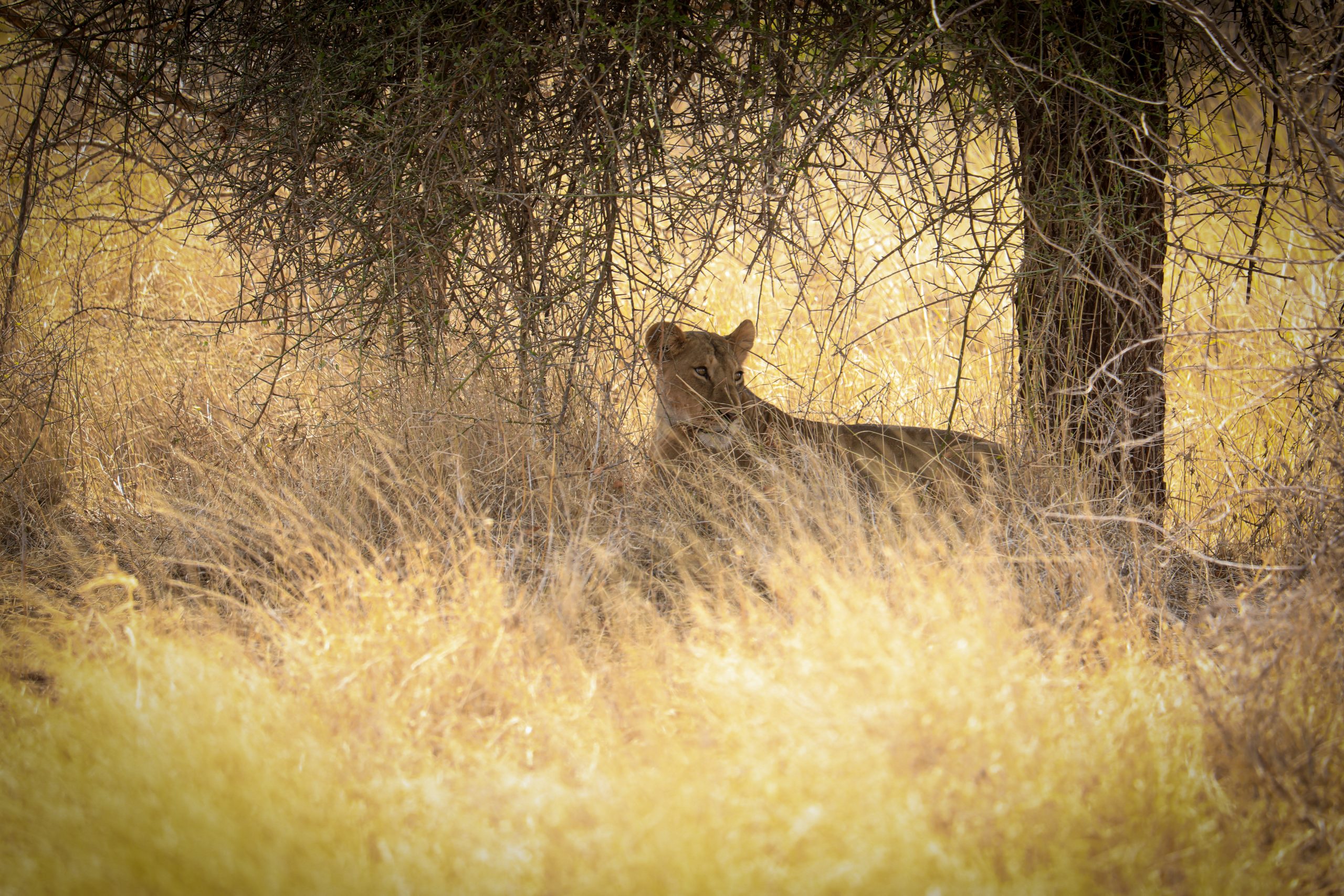
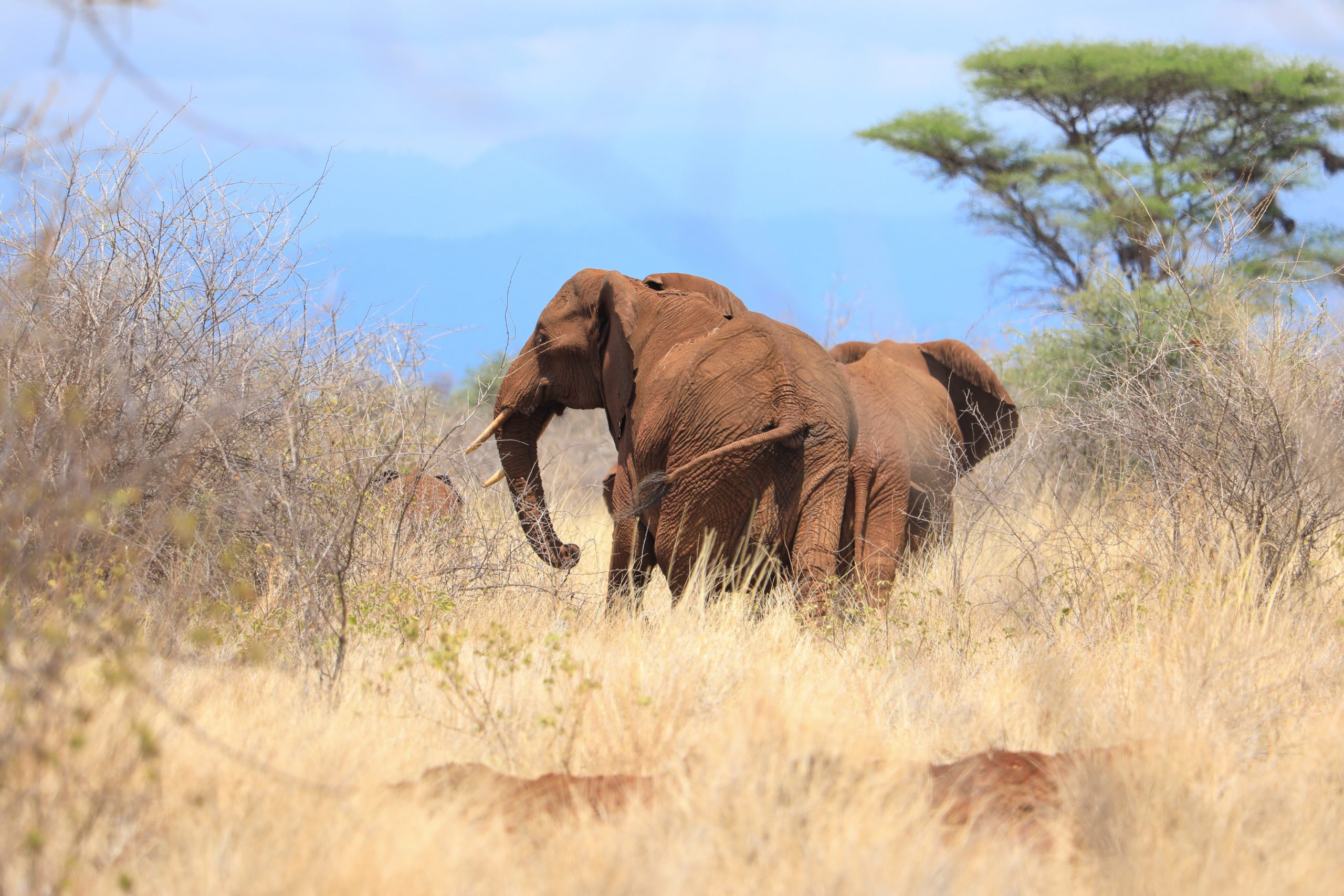
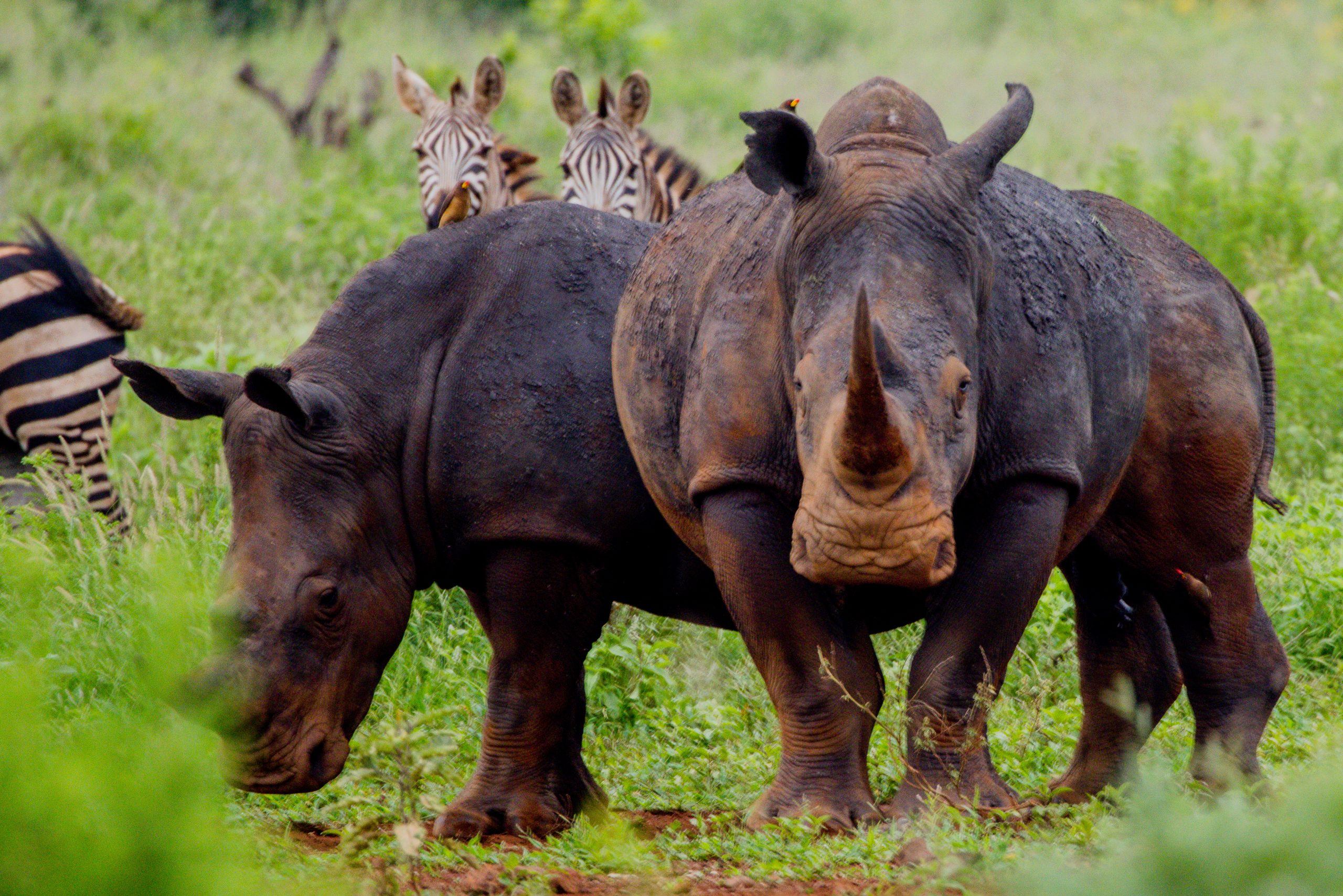
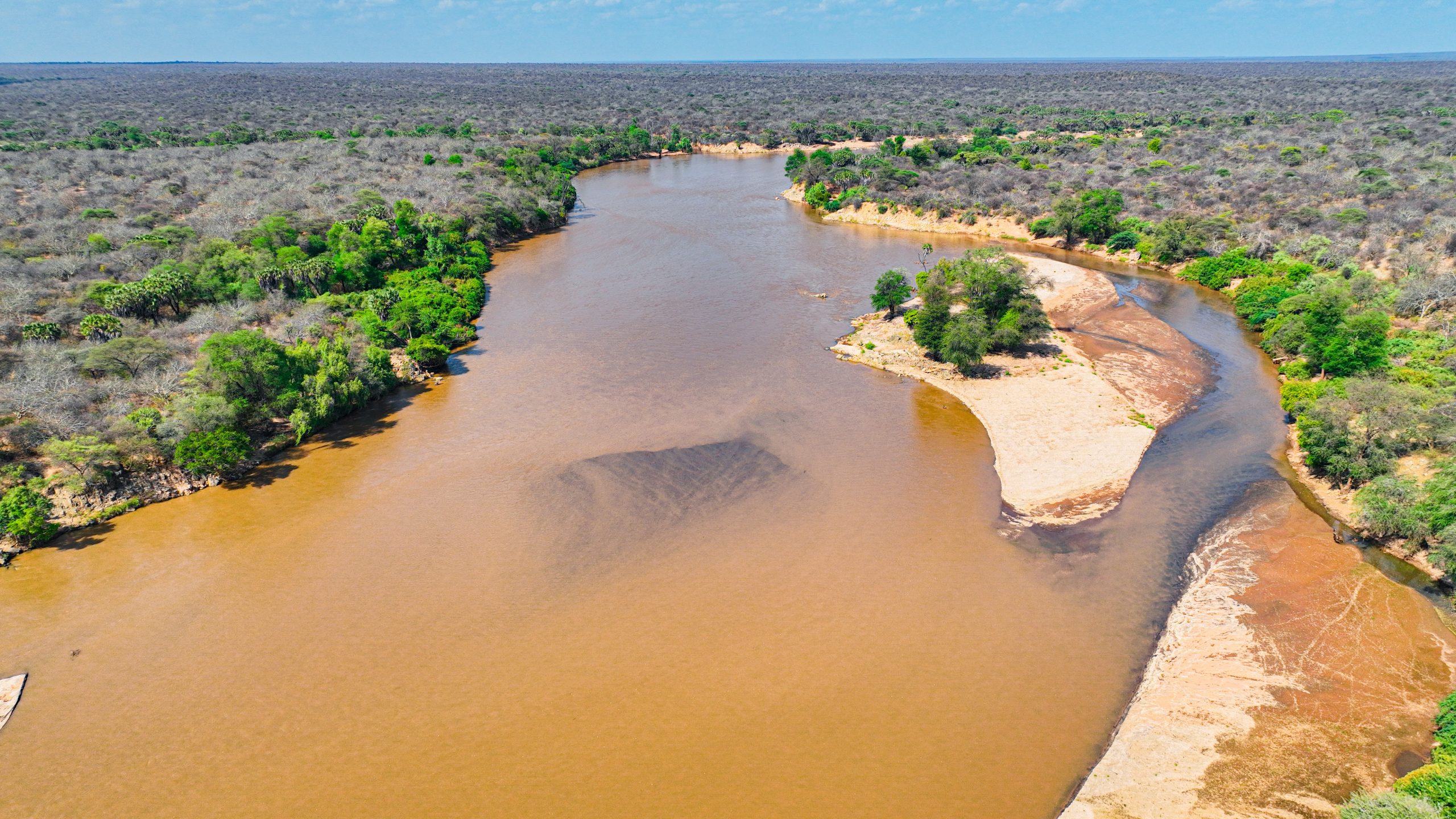
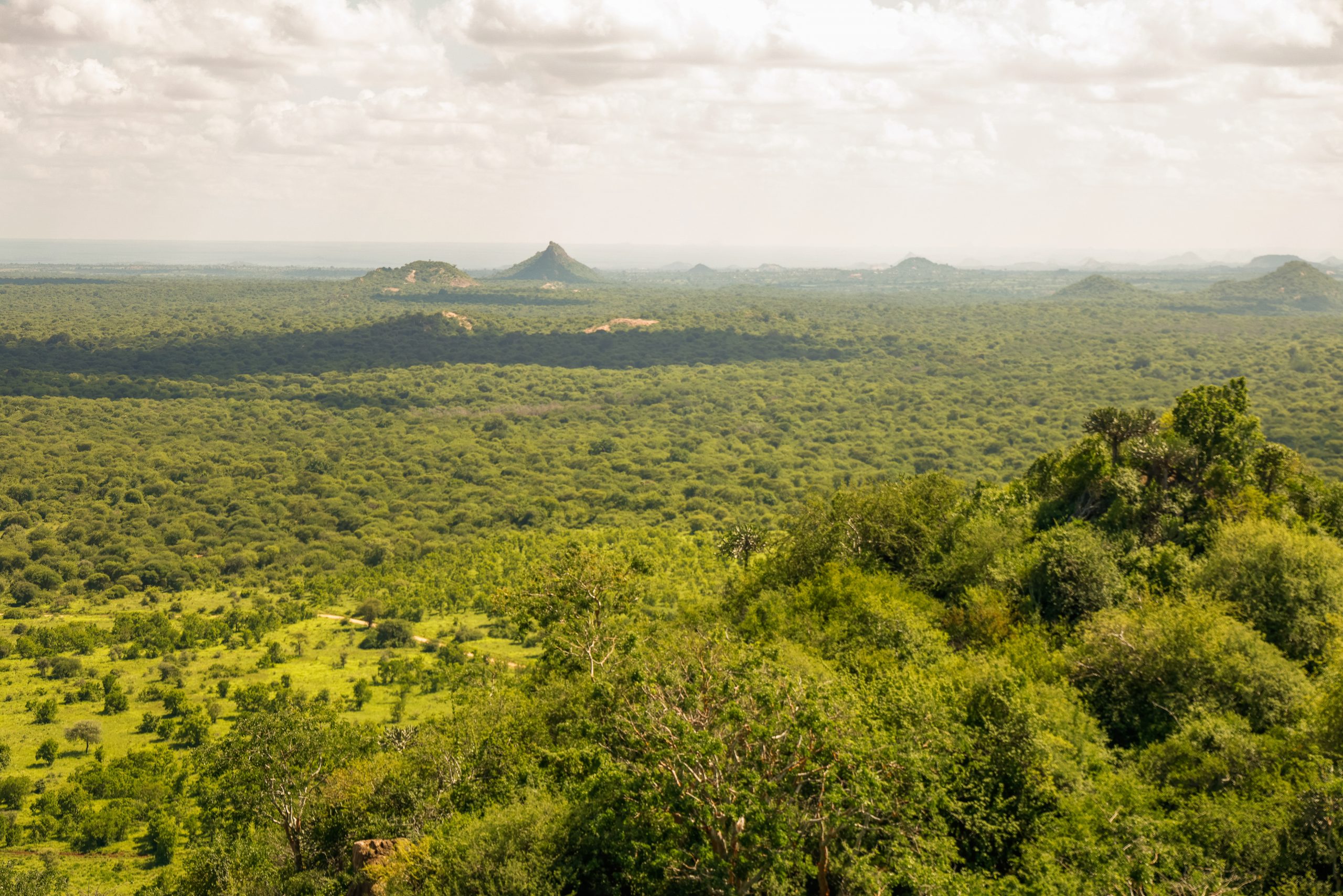
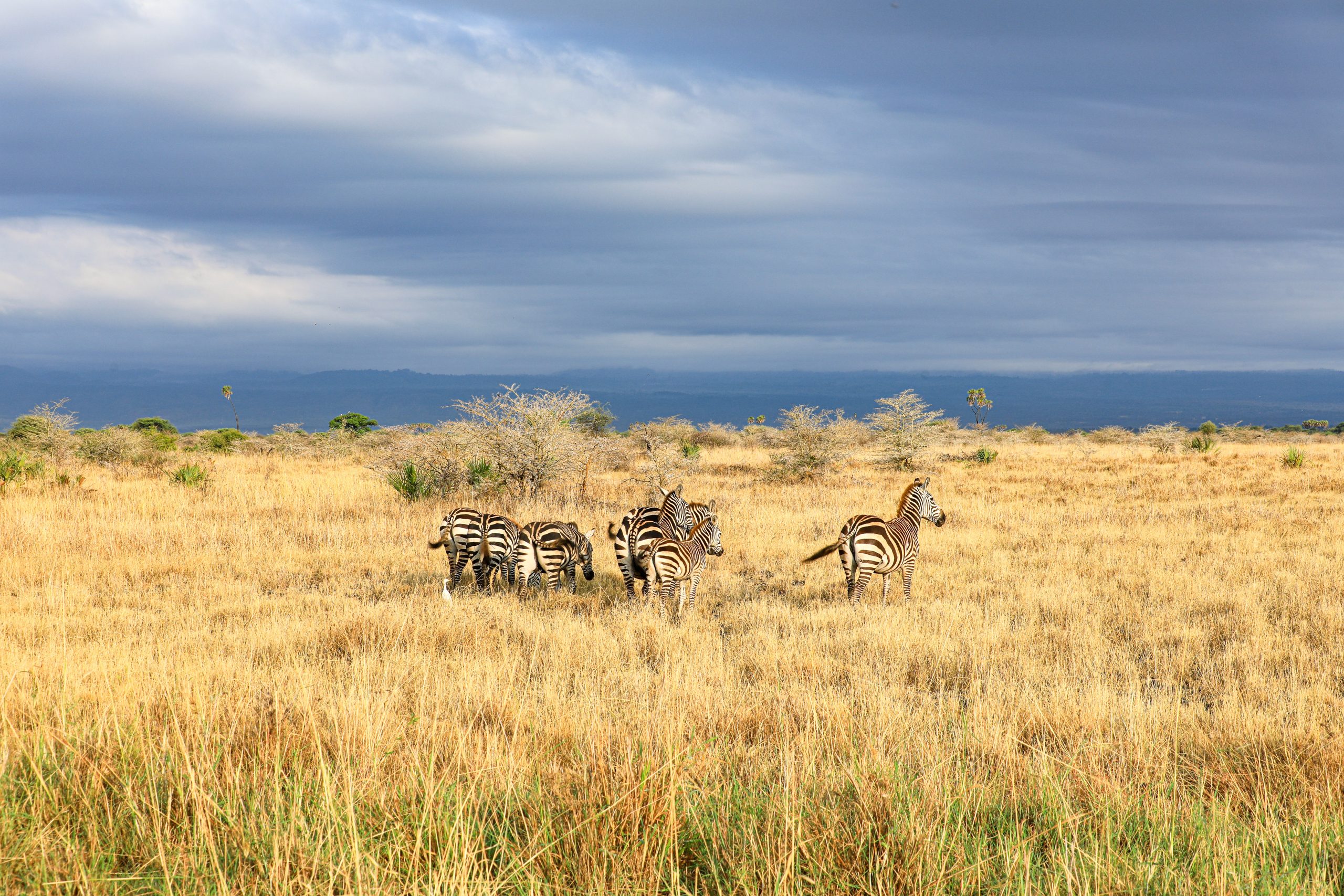
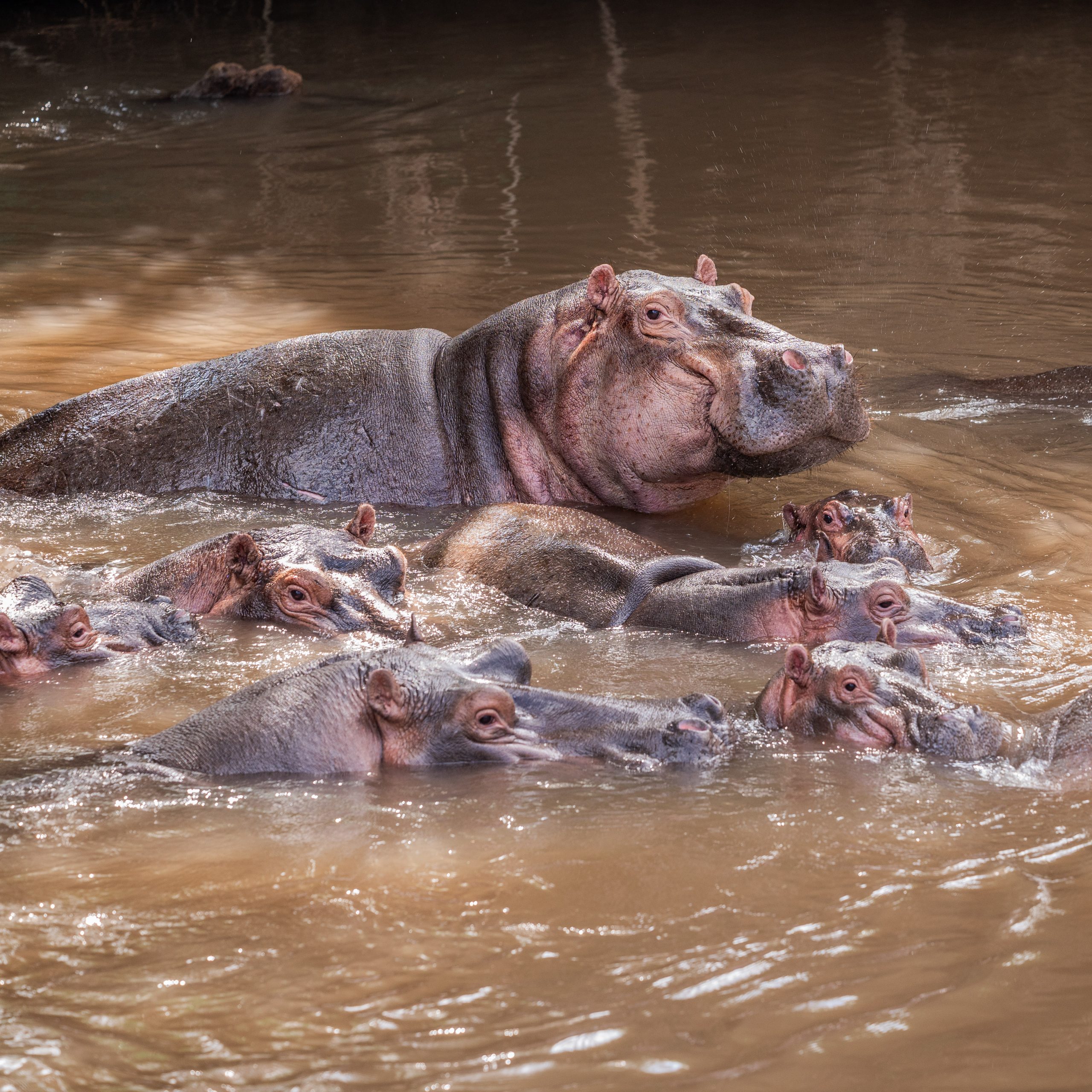
Meru National Park is a pristine wilderness offering an exceptional setting for wildlife safaris and outdoor adventure. Strikingly beautiful and richly diverse, the park provides expansive landscapes where few destinations can compare. Meru forms part of a greater conservation ecosystem that supports wide-ranging wildlife movement and immersive safari experiences.
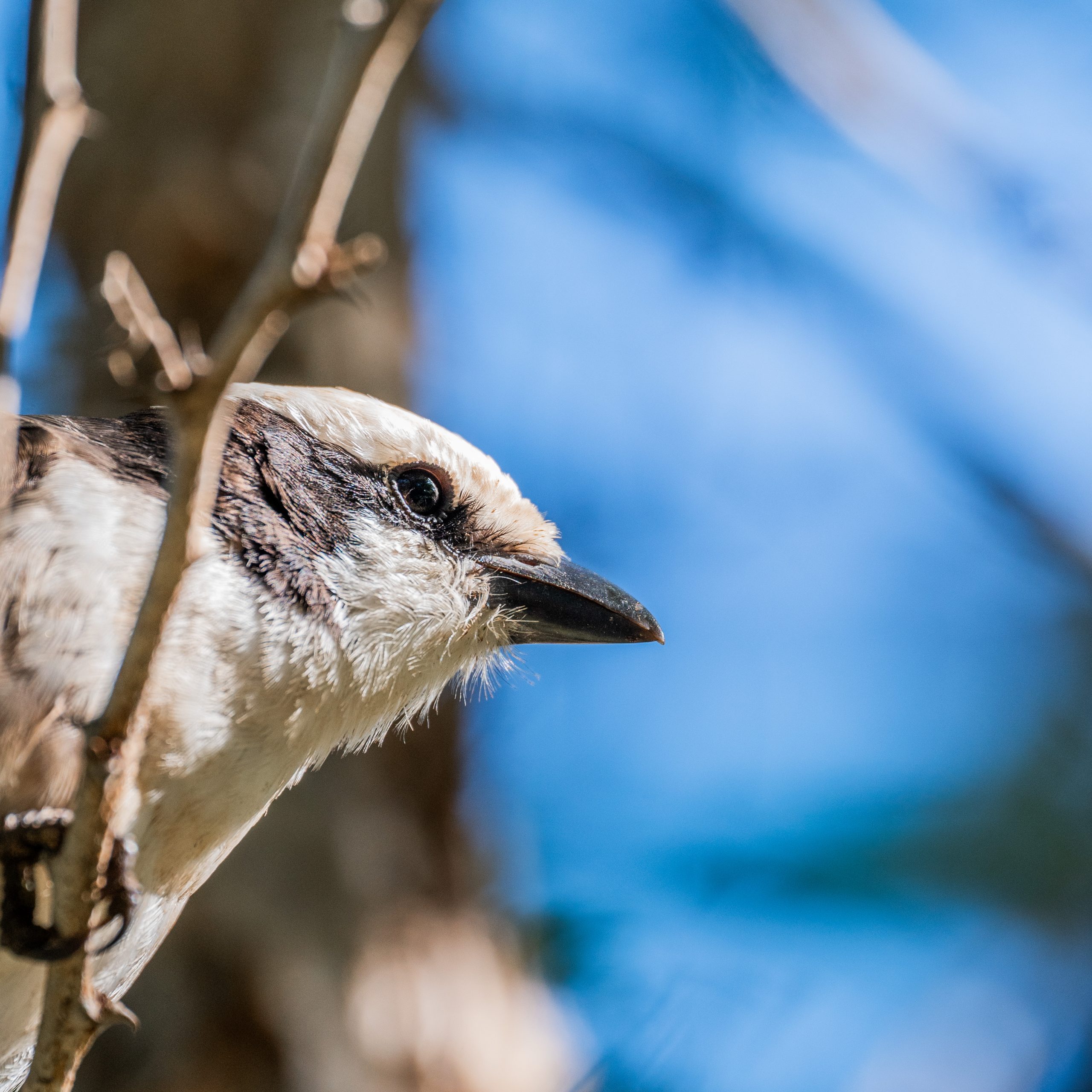
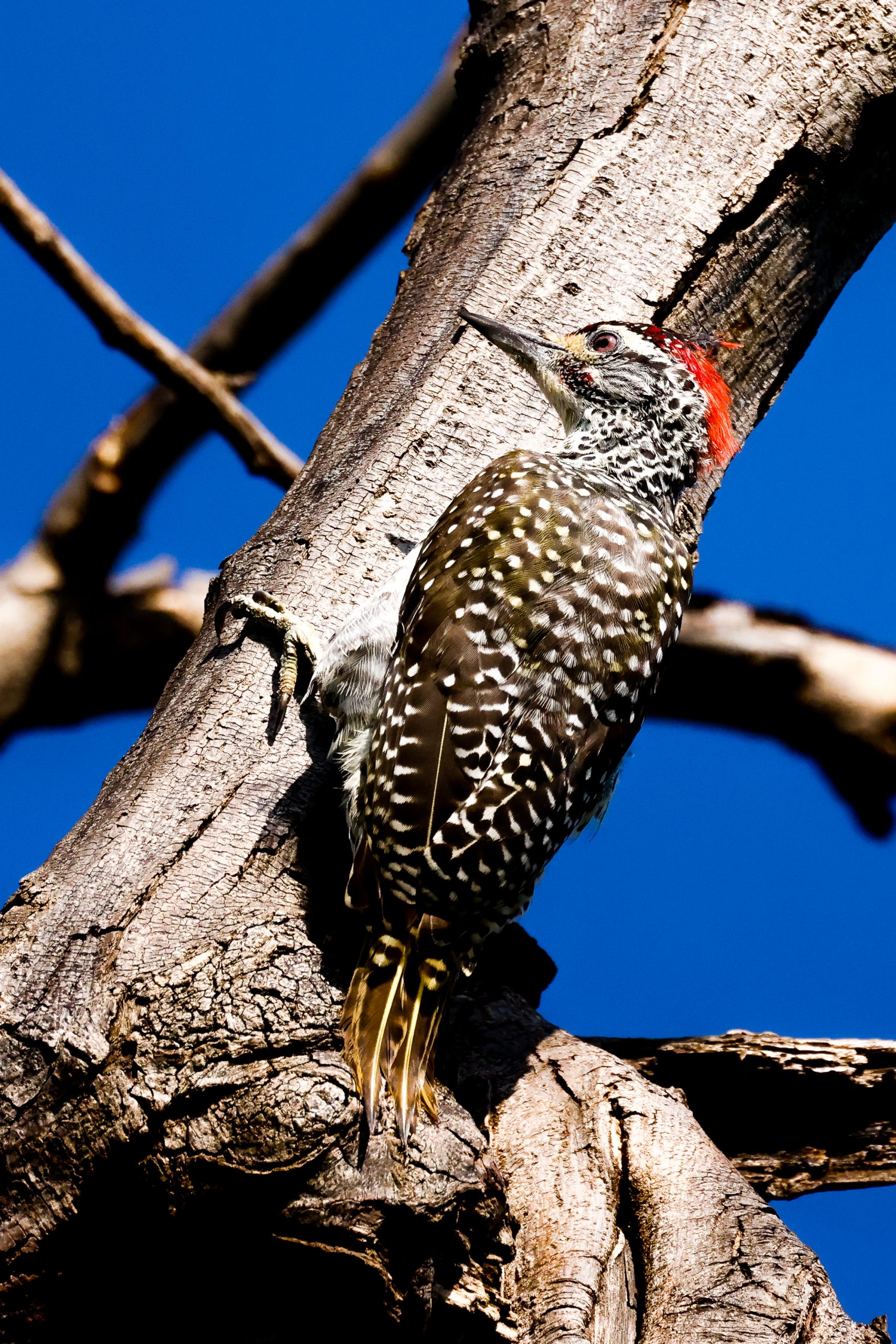
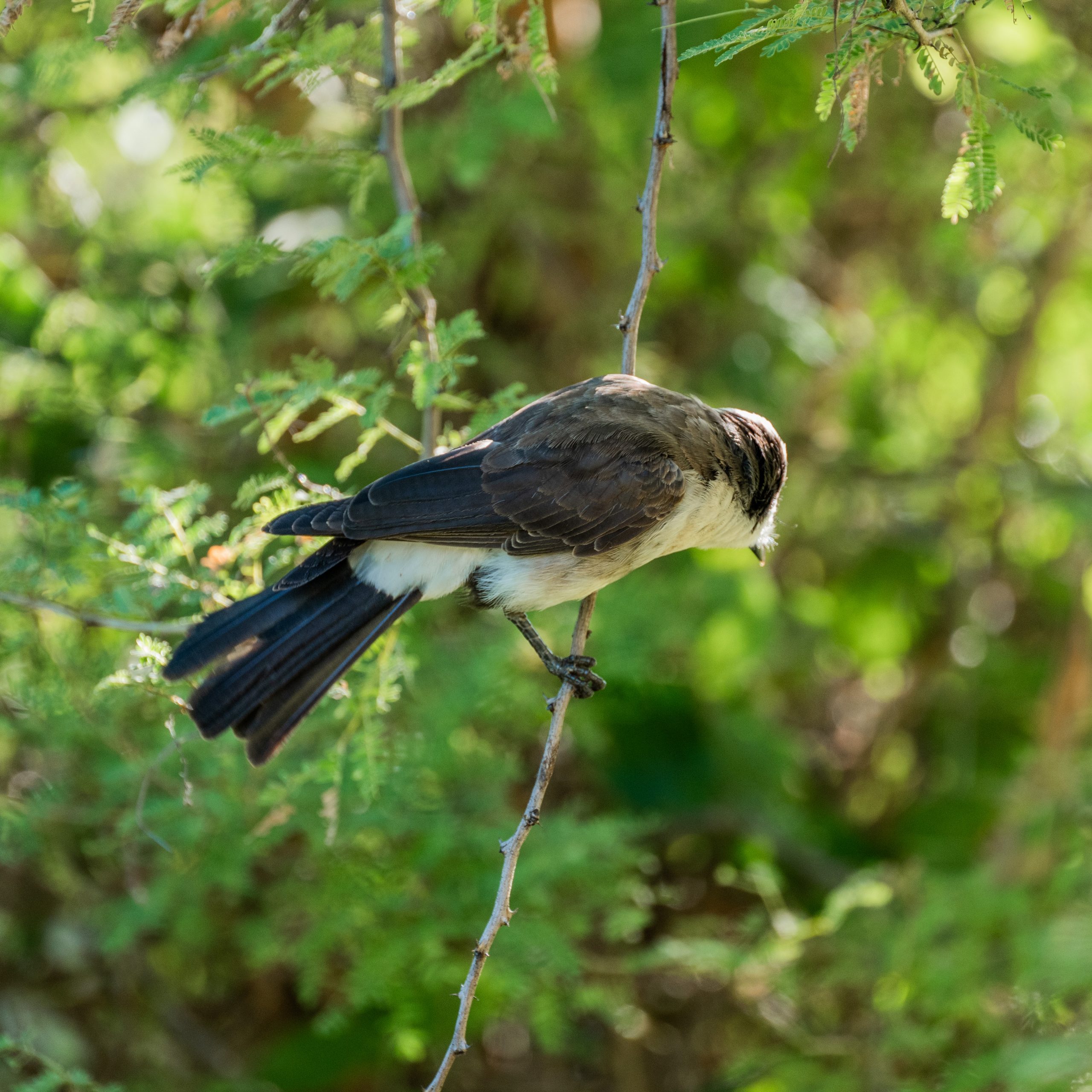
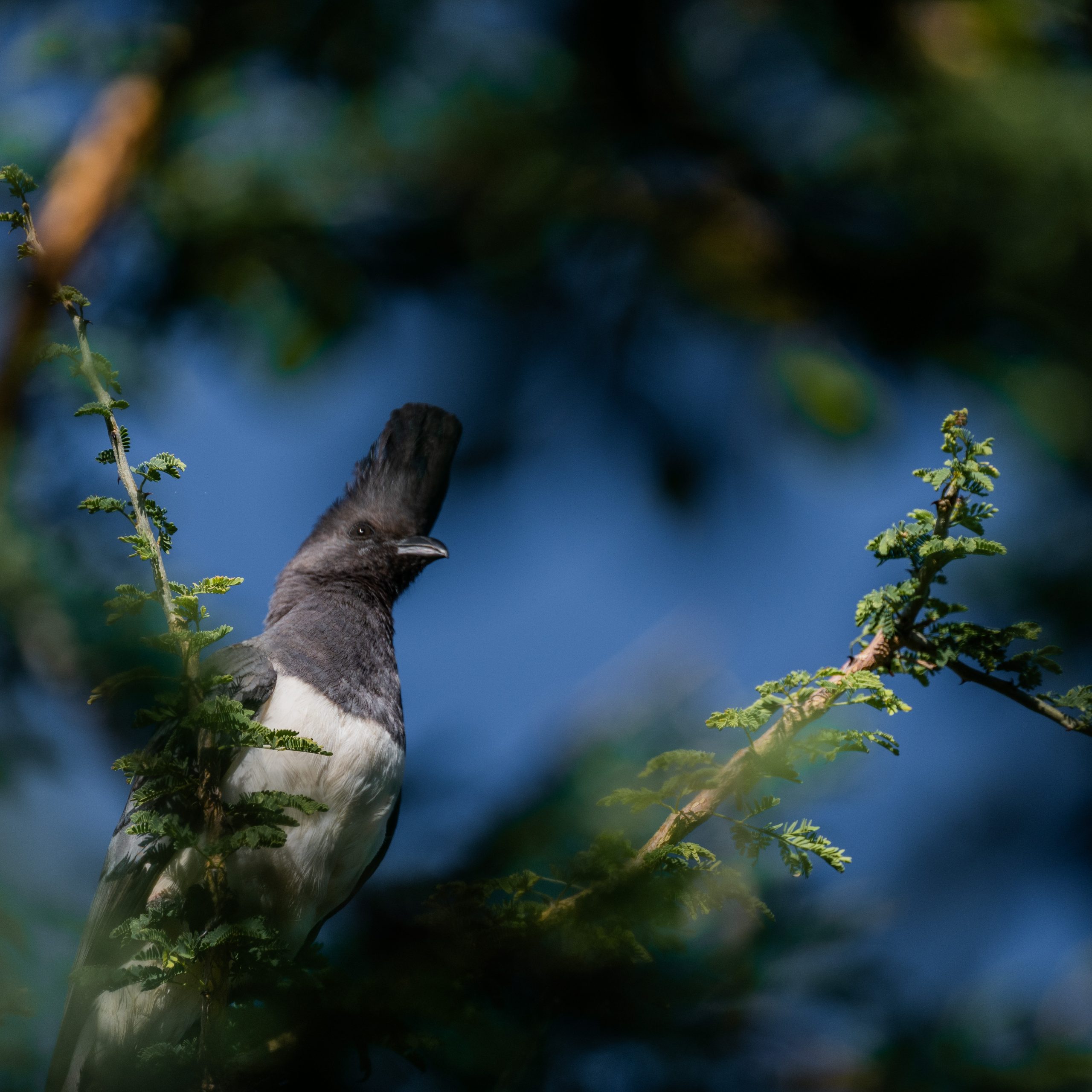
A true birdwatchers’ paradise, the park’s varied habitats attract a wide array of bird species, making it a rewarding destination for enthusiasts. By night, Meru transforms into a haven for astro-tourism and guided night wildlife safaris, where clear skies reveal dazzling constellations and nocturnal animals emerge, offering rare after-dark encounters in the African wilderness.
Rich in culture and heritage, Meru National Park is closely linked to the vibrant Tharaka Nithi Cultural Festival, which celebrates the traditions, music, dance, and crafts of surrounding communities while promoting conservation awareness and sustainable tourism. The park also holds a special place in Kenya’s conservation history through the iconic Born Free story of George and Joy Adamson and Elsa the lioness—the orphaned cub they rescued, raised, and successfully returned to the wild.
The park supports a range of sports, events, and outdoor experiences, from guided nature walks to adventure-based activities—making Meru National Park a multifaceted destination where conservation, heritage, stargazing, and wilderness exploration come together.
Important Information
- Exceptional Wildlife Safaris
- Rhino Sanctuary Experience
- Birdwatchers’ Paradise
- Elsa’s Grave and Pippa’s Grave
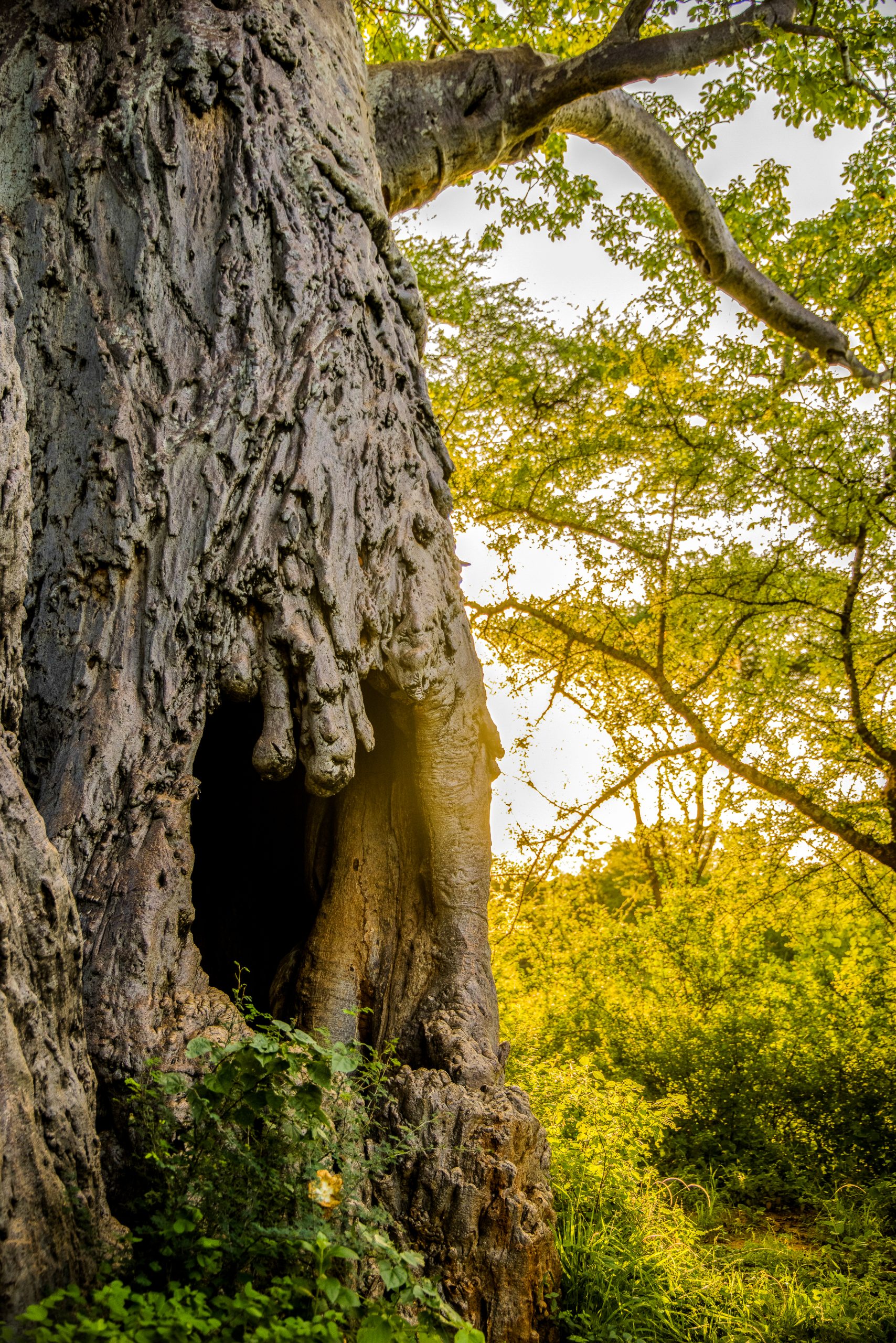
- Mwariama Mau Mau Baobab hideout
- The Equator
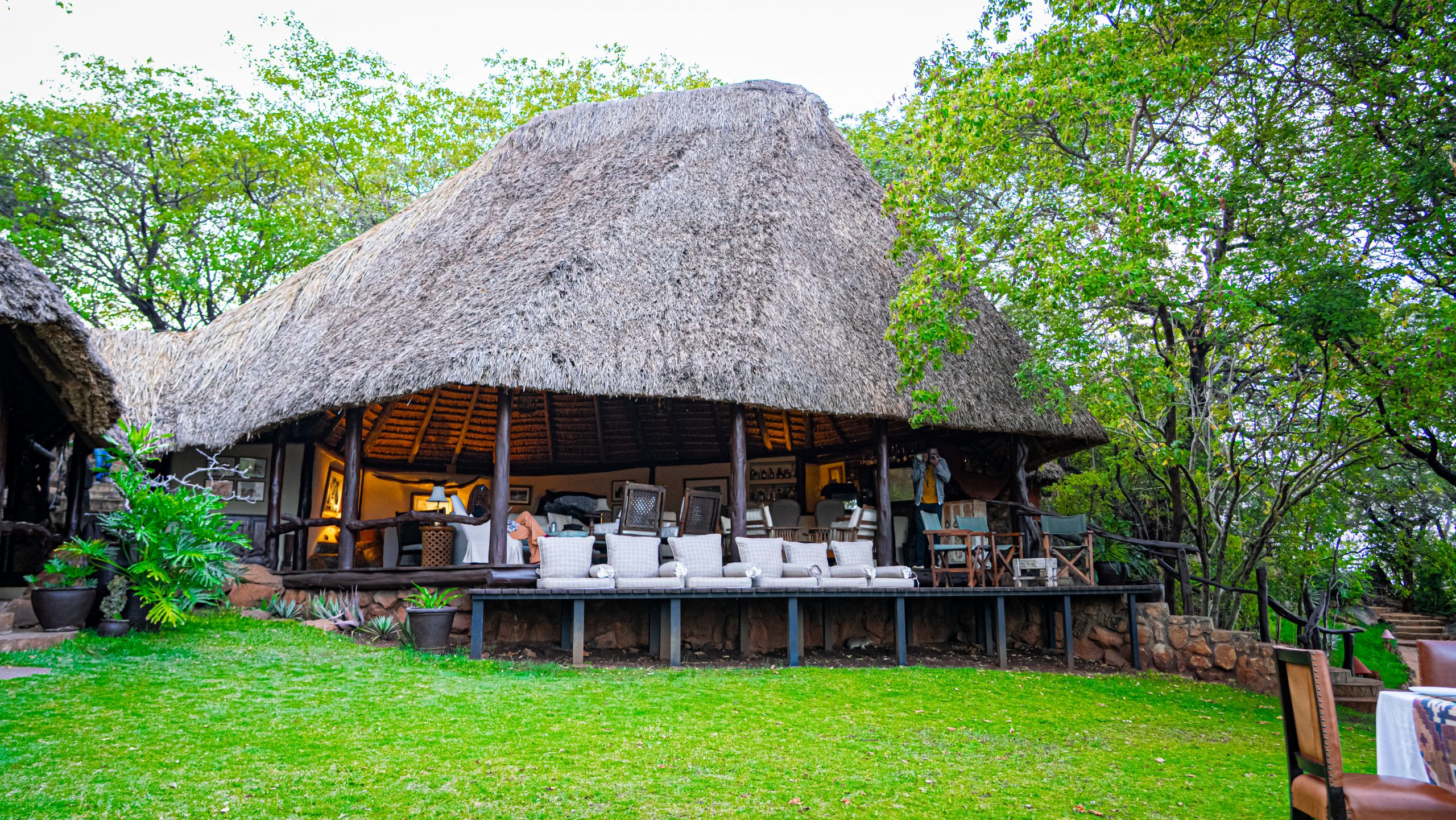
Mbugani Homes
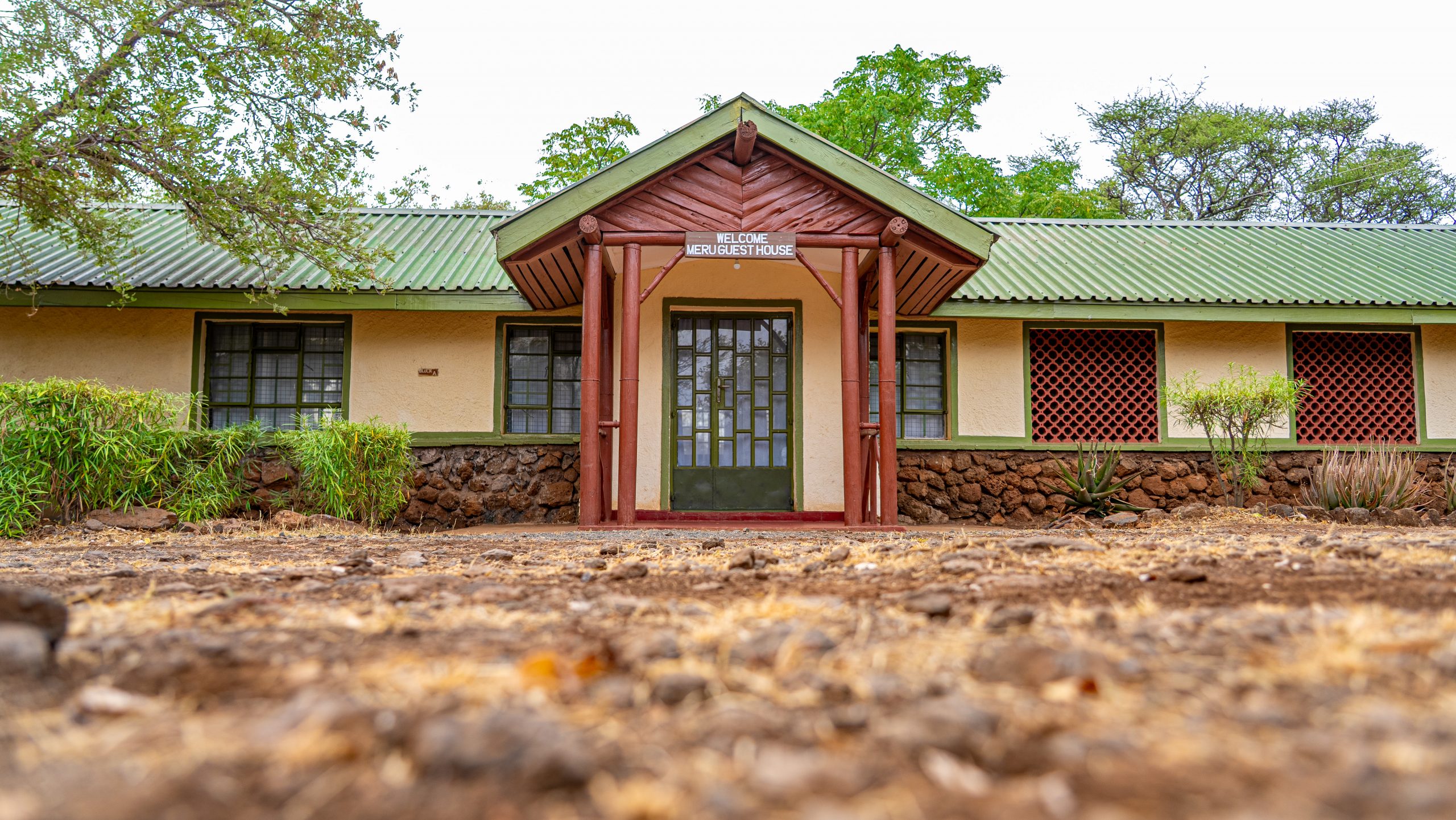
- Meru Guest House
- Kinna Guest House
- Kinna Cottages A
- Kinna Cottage B
- Murera Cottage A
- Murera Cottage B
Public Campsites;
- Bwatherongi
Special Campsites;
- Island Camp
- Kambi Baridi
- Golo 1
- Golo 2
- Fisi
- Ndovu
- Rojawero
- Chuma
- Muguga
- Kenmare,
- Mamba
- Kithanga
- Princess
- Makutano
- Kanjoo.
Privately Owned Lodges and Hotels
By road: From Nairobi (348 KM) via Nyeri-Nanyuki-Meru or via Embu all-weather roads.
From Maua to Murera Gate (35 KM) and 348 km from Nairobi.
From Embu via Ura Gate (161 KM) and 290 km from Nairobi
By Air: Main airstrip at Kinna, Mulika next to Meru Mulika Lodge and Mughwongo Airstrip next to Elsa’s Kopje Eco-lodge
Whether camping or just visiting for a day trip, visitors are advised to carry the following:
- Personal effects
- Clean drinking water
- Food
- Camping gear
Also important are;
- Camera
- Binoculars,
- Sunscreen
- Insect repellent
- First aid kit
- Sunglasses
- Appropriate hiking gear
Your safety matters. Please review our essential guidelines to help ensure a safe, enjoyable experience for you and for the wildlife.
- You are in the wildlife’s home. Please respect their privacy and right of way.
-
National parks are plastic-free. Single-use plastic is prohibited.
-
General road rules apply. Car hooting or driving under the influence of alcohol are strictly prohibited.
-
Adhere to park entry and exit times. Gates open at 6:00 AM and close at 6:00 PM, unless you are spending overnight.
-
Move slowly and quietly. Animals can react dangerously if startled.
-
Noise distracts wildlife. Use mobile phones and sound devices sparingly and only in designated areas.
-
Remain in your vehicle unless in designated areas. Keep doors closed at all times.
-
Observe the maximum speed limit of 40 km/h (25 mph). Speeding attracts penalties.
-
Stay on established roads and trails. Off-road driving is strictly prohibited.
-
View wildlife from a minimum distance of 20 meters.
-
Feeding wildlife is prohibited, as it disrupts their diet and leads to human dependency.
-
Carry out all trash to help keep the park clean.
-
Do not leave campfires unattended while camping.
-
Visitors enter the park at their own risk and Terms and conditions apply.
Hotline:0794719025/0719598294
Toll Free: 0800 597 000
Email: customerservice@kws.go.ke
WhatsApp: +254 (0) 726 610509
Meru National Park Rates
- East Africa Citizen: Individuals holding Kenyan nationality
- Kenya Residents: Foreign nationals legally residing in Kenya.
- African Citizens: Africa nationals (excluding Kenya and EA countries)
-
Non-residents: Foreigners visiting on a valid visa
East Africa Citizen Adult
KES. 800
East Africa Citizen Child
KES. 500
Kenya
Resident Adult
KES. 1,100
Kenya
Resident Child
KES. 675
Non
Resident Adult
USD 70
Non
Resident Child
USD 20
Africa
Citizen Adult
USD 40
Africa
Citizen Child
USD 20
Meru National Park Gallery