About South Island National Park
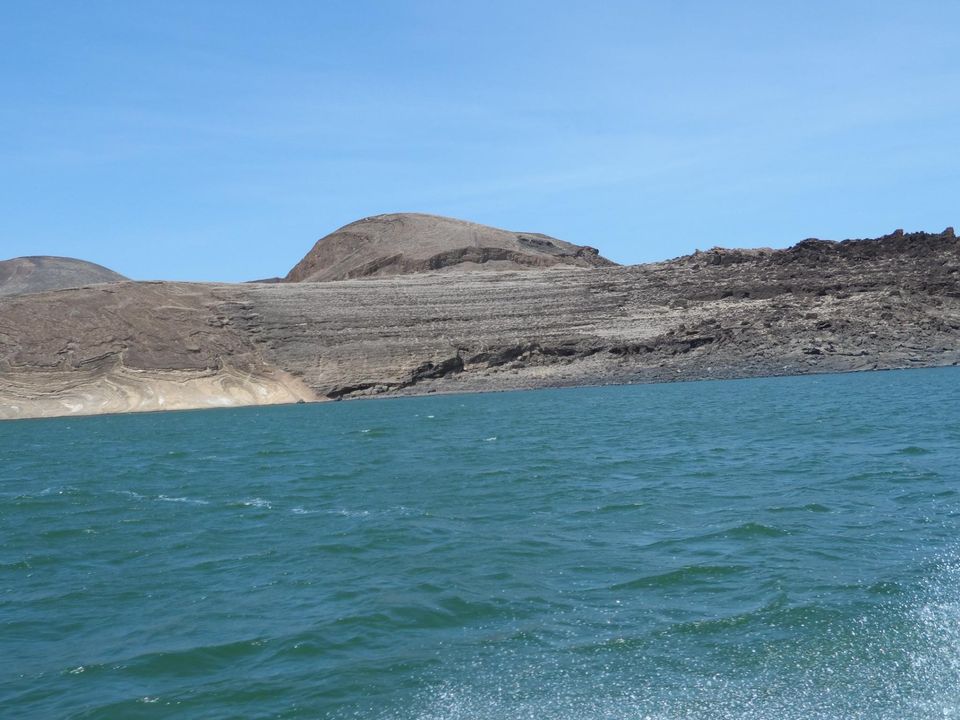
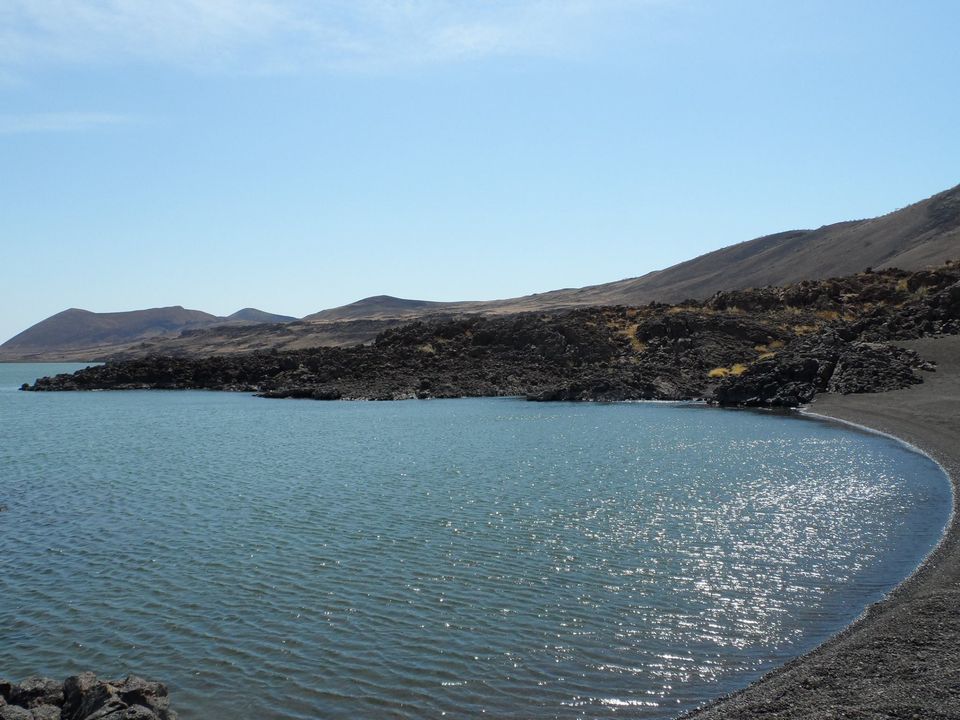
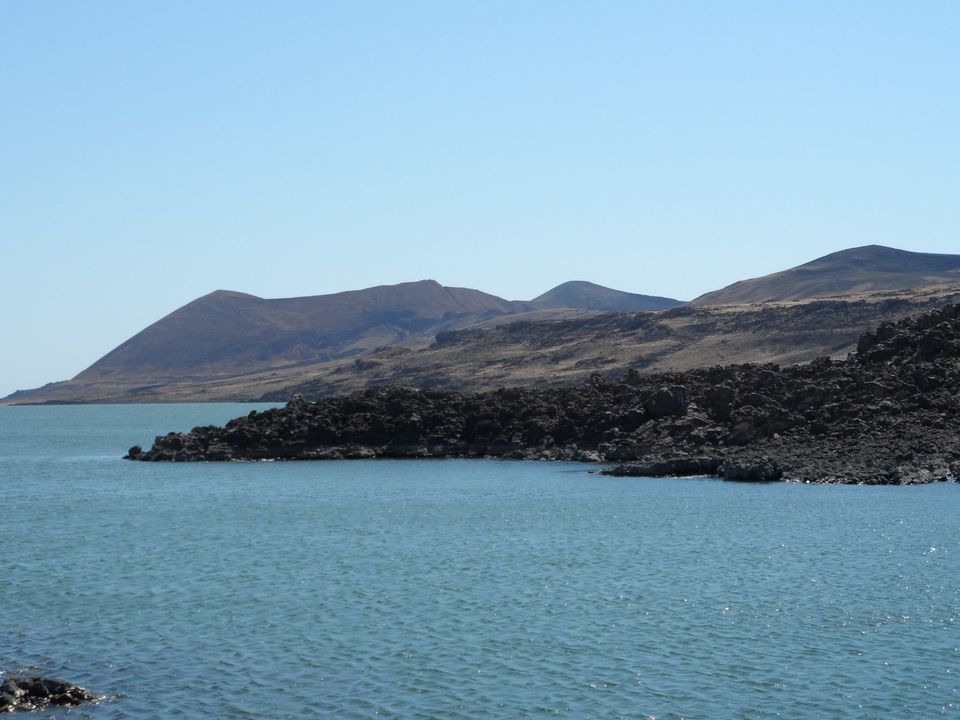
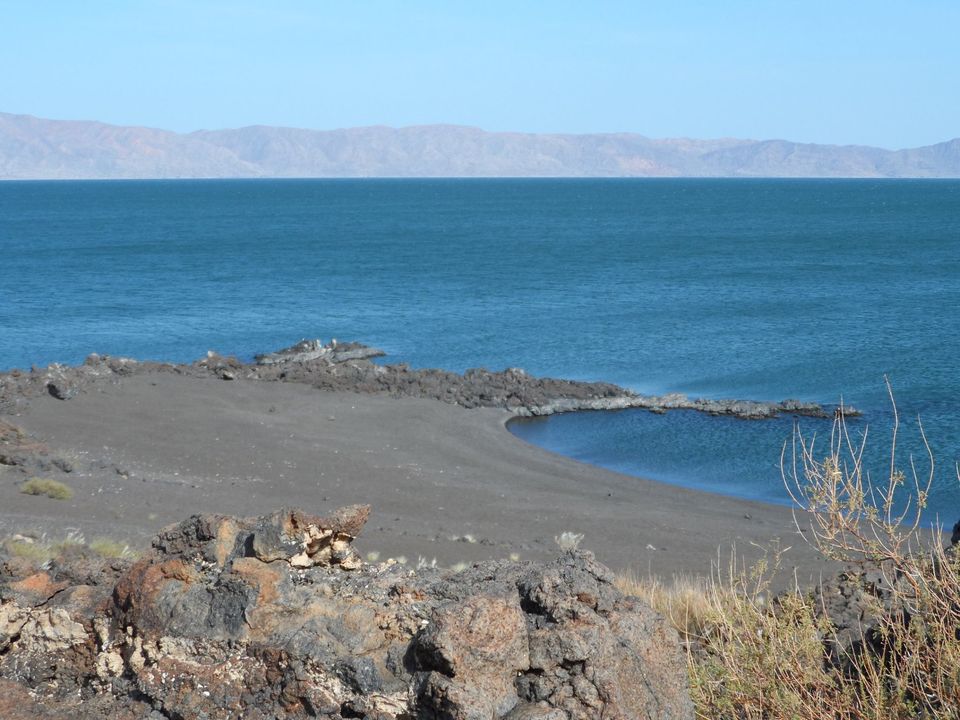
Located on the southern shores of Lake Turkana, South Island National Park is a stunning volcanic landscape where raw geology meets shimmering lake waters, creating one of Kenya’s most visually striking protected areas.
Designated both a UNESCO Man and the Biosphere (MAB) Reserve and an Important Bird Area (IBA), the park offers scenic, breathtaking vistas shaped by extinct volcanic ash overflows, sandy beaches, rocky outcrop islets, and fossil-rich sedimentary formations—an exceptional canvas for visual storytelling and filmmaking.
By day, visitors are immersed in sweeping lake horizons and rugged island terrain; by night, South Island’s remote setting and clear skies provide ideal conditions for astro-tourism, revealing constellations overhead and nocturnal activity along the shoreline.
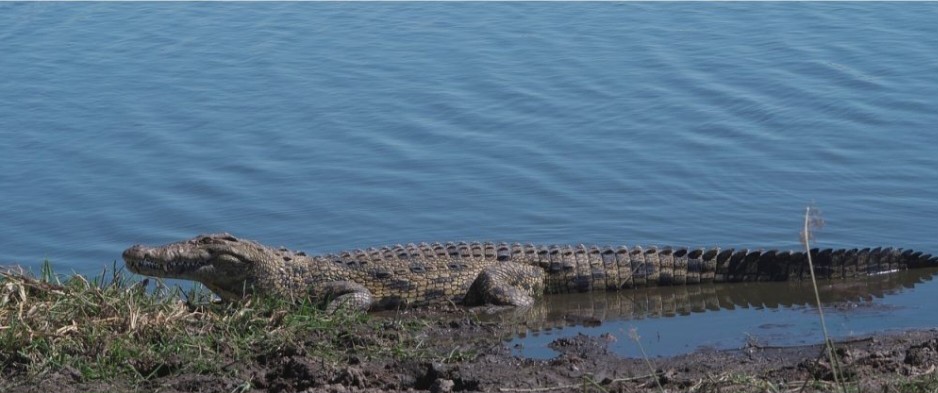
The park is a key breeding ground for Nile crocodiles and supports diverse reptile life, including venomous carpet snakes. It also serves as an important stopover for 34 species of Palearctic migrant waterbirds, while the nearby caldera—a rocky islet approximately 20 kilometers north—is a vital breeding site for the Great Cormorant, Reed Cormorant, and Red-headed Gull, further enhancing the park’s ecological significance.
Together, South Island National Park’s volcanic landscapes, star-filled skies, and rich wildlife create a powerful destination for cinematic exploration, nighttime discovery, and immersive nature experiences in Kenya’s northern frontier.
Important Information
- The tempestuous “Jade Sea”- The largest permanent desert lake in the world, Lake Turkana
- Crocodile kingdom
- Venomous reptiles and prehistoric fish
- Desert Museum
- Designated UNESCO Man and the Biosphere (MAB) Reserve and an Important Bird Area (IBA)
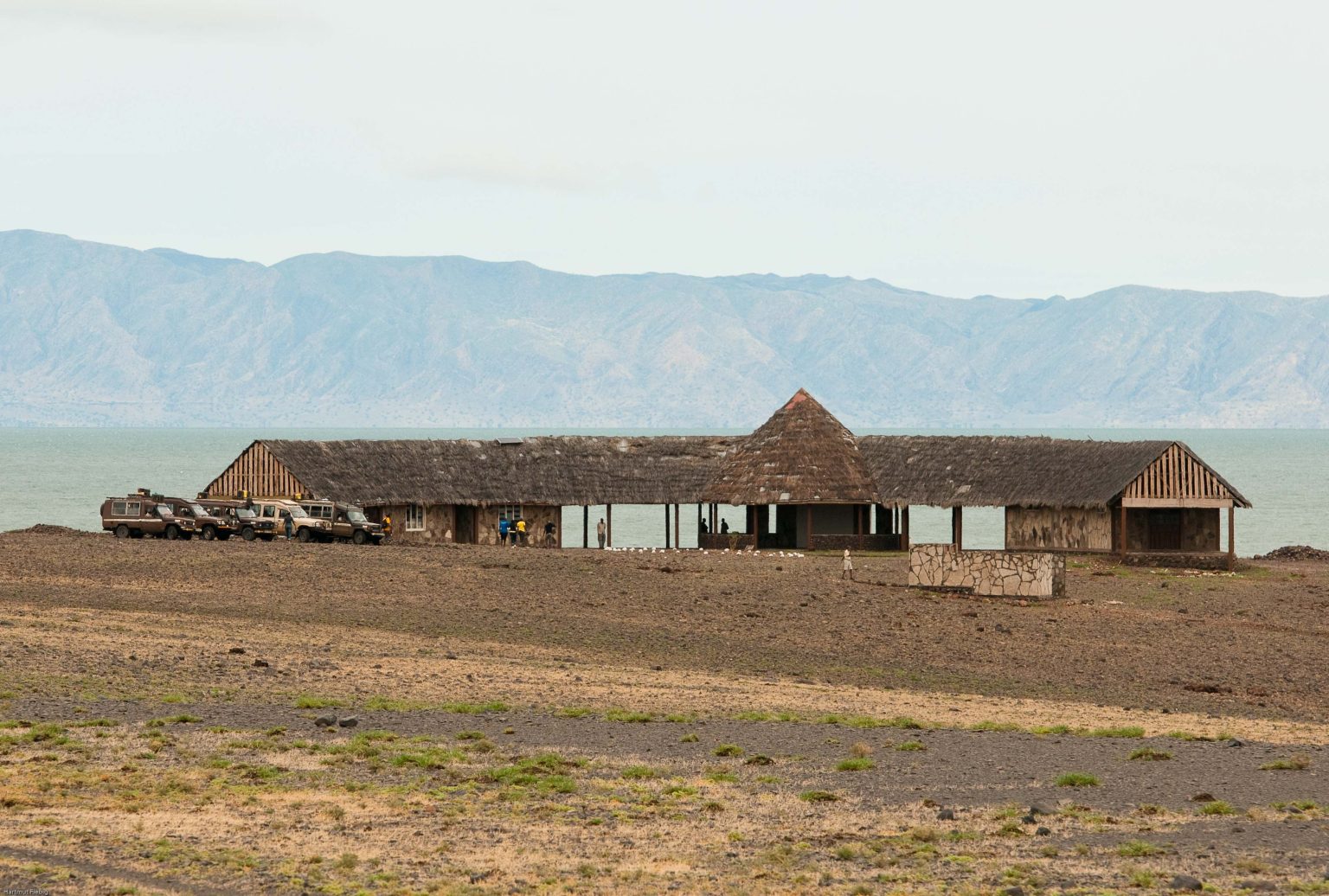
PRIVATELY OWNED HOTELS & LODGES
Central Island National Park, gazetted to protect its unique volcanic and ecological features, conserves a 5 km² island in the middle of Lake Turkana. It later became part of the UNESCO-listed Lake Turkana World Heritage Site. Since its establishment, the park has been important for preserving its active volcanoes, crater lakes, and wildlife—including the world’s largest breeding population of Nile crocodiles—while supporting research, biodiversity conservation, and eco-tourism.
By Road: The park is 600km drive from Nairobi via Isiolo – Laisamis or Marsabit town and South Horr.
The roads connecting the park with the major town have both tarmac and murram; Nairobi – Laisamis – L. Turkana wind power project site and murrum sections to Loiyangalani towns. High clearance 4WD vehicles are essential all year round and travelling in convoys is recommended.
By Air: There are two all-weather airstrips; one in the park and the other in Loiyangalani town. Other airstrips are found in Laisamis, Marsabit and North Horr towns.
- Personal effects
- Drinking water
- Food
- Camping gear
Your safety matters. Please review our essential guidelines to help ensure a safe, enjoyable experience for you and for the wildlife.
- You are in the wildlife’s home. Please respect their privacy and right of way.
-
National parks are plastic-free. Single-use plastic is prohibited.
-
General road rules apply. Car hooting or driving under the influence of alcohol are strictly prohibited.
-
Adhere to park entry and exit times. Gates open at 6:00 AM and close at 6:00 PM, unless you are spending overnight.
-
Move slowly and quietly. Animals can react dangerously if startled.
-
Noise distracts wildlife. Use mobile phones and sound devices sparingly and only in designated areas.
-
Remain in your vehicle unless in designated areas. Keep doors closed at all times.
-
Observe the maximum speed limit of 40 km/h (25 mph). Speeding attracts penalties.
-
Stay on established roads and trails. Off-road driving is strictly prohibited.
-
View wildlife from a minimum distance of 20 meters.
-
Feeding wildlife is prohibited, as it disrupts their diet and leads to human dependency.
-
Carry out all trash to help keep the park clean.
-
Do not leave campfires unattended while camping.
-
Visitors enter the park at their own risk and Terms and conditions apply.
Hotline: +254 (0) 719598187
Toll Free: 0800 597 000
Email: customerservice@kws.go.ke
WhatsApp: +254 (0) 726 610509
South Island National Park Rates
- East Africa Citizen: Individuals holding Kenyan nationality
- Kenya Residents: Foreign nationals legally residing in Kenya.
- African Citizens: Africa nationals (excluding Kenya and EA countries)
-
Non-residents: Foreigners visiting on a valid visa
East Africa Citizen Adult
KES. 500
East Africa Citizen Child
KES. 250
Kenya
Resident Adult
KES. 675
Kenya
Resident Child
KES. 350
Non
Resident Adult
USD 40
Non
Resident Child
USD 20
Africa
Citizen Adult
USD 20
Africa
Citizen Child
USD 10
South Island National Park Gallery